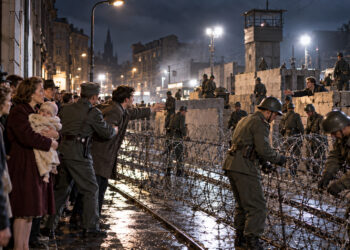
Urban history charts how human settlements evolved from small villages to complex cities. Examining key turning points reveals patterns in technology, governance, and economy that shaped daily life. This timeline highlights moments when urban centers redefined work, movement, and social organization. Understanding these shifts clarifies how past decisions influence contemporary urban challenges and opportunities.
Early Urban Foundations
The earliest cities emerged where agriculture could support dense populations and craft specialization. Shared food surpluses and irrigation systems allowed some people to pursue non-farming roles. Administrative institutions and religious centers concentrated authority and identity. These developments created the social and physical frameworks of urban life.
Early urban patterns set precedents for zoning, trade, and social hierarchy. They also established the city as a focal point for innovation and power.
Trade Routes and Market Cities
As long-distance trade expanded, market cities grew at crossroads and ports, connecting hinterlands and producers. Merchant networks disseminated goods, ideas, and legal practices that standardized commerce. Urban prosperity increasingly depended on access to routes and financial instruments.
Market cities catalyzed cultural exchange and economic diversity. Their role in integrating regions shaped larger political and commercial systems.
Industrialization and Mass Migration
Industrial technologies concentrated manufacturing in urban centers and propelled mass migration from rural areas. Factories demanded labor, while new machines increased productivity and altered work rhythms. Railways and steamships forged national and international connections that redistributed population and capital. Cities expanded rapidly, often outpacing infrastructure and public services.
- Steam power and mechanized production
- Railroads and improved logistics
- Urban labor markets and housing booms
The industrial era redefined urban form and social relations. It also exposed planning and public health challenges that later reforms would address.
Planning, Infrastructure, and Public Health
In response to industrial growth, urban planners introduced zoning, sewer systems, and transit networks to manage density and hygiene. Public health initiatives targeted sanitation, vaccination, and housing standards to reduce disease and mortality. Infrastructure investments shaped patterns of commuting, segregation, and economic opportunity.
These policies demonstrated that technical fixes and governance could reshape urban life. They also highlighted tensions between private interests and collective welfare.
Technology and Global Networks
In the modern era, communications and digital technologies have compressed distance, enabling global supply chains and remote services to anchor urban economies. Financial markets, information flows, and cultural exchange now operate across time zones, influencing land use and labor markets. Environmental concerns and climate risks have become central to planning and resilience strategies. Contemporary cities must balance growth with sustainability and equity.
The interplay of technology and policy will determine future urban trajectories. Stakeholders must learn from history to craft inclusive and durable solutions.
Conclusion
Milestones in urban history reveal recurring challenges and adaptive responses. Studying these turning points helps planners and citizens anticipate change. A historical perspective encourages strategies that are pragmatic and just.