War has shaped the course of human history for thousands of years, evolving from primitive skirmishes to complex global conflicts. Each era introduced new strategies, technologies, and philosophies that redefined how nations fought and defended themselves. The evolution of warfare is not just a story of violence — it’s a story of innovation, adaptation, and survival that mirrors humanity’s growth and ingenuity.
Ancient Warfare: Strength, Strategy, and Survival
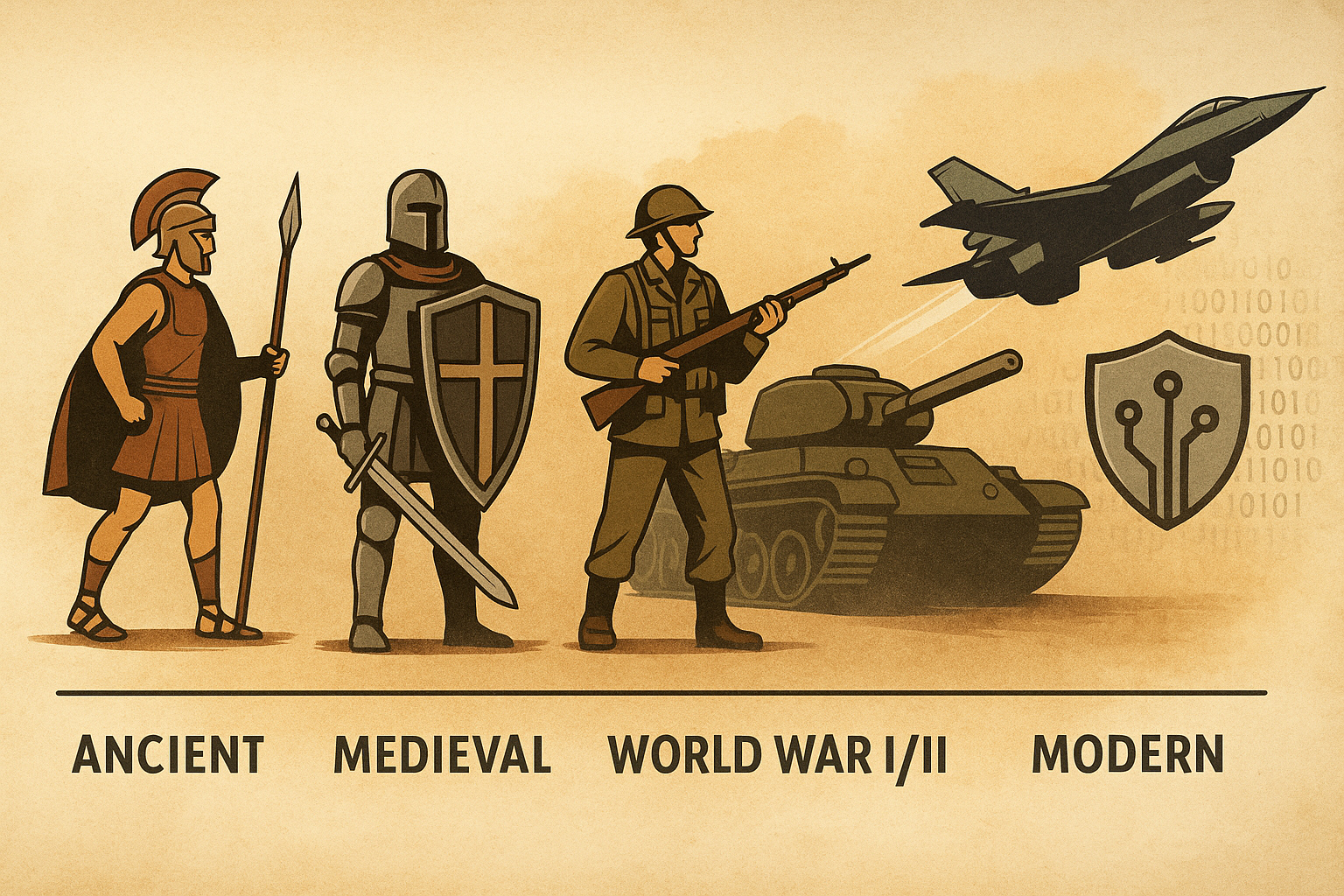
In ancient times, warfare was dominated by hand-to-hand combat and simple weapons like spears, bows, and swords. Armies relied on discipline and formation, as seen in the phalanx tactics of ancient Greece and the legions of Rome. Leaders like Alexander the Great and Julius Caesar revolutionized military strategy with logistics, terrain use, and psychological warfare. Fortifications and siege engines also emerged, transforming the art of defense. These early tactics laid the groundwork for organized military command structures that endure to this day.
Medieval Warfare: Castles, Knights, and Crossbows
The Middle Ages brought dramatic changes with the rise of feudalism and heavily armored knights. Warfare became a blend of chivalry and brutality. Castles served as both defensive strongholds and symbols of power, while longbows and crossbows shifted the balance of combat from close-range to distance warfare. The introduction of gunpowder in the late medieval period marked the beginning of the end for traditional armor and siege warfare, paving the way for modern weaponry.
The Gunpowder Revolution: Firearms and Empires
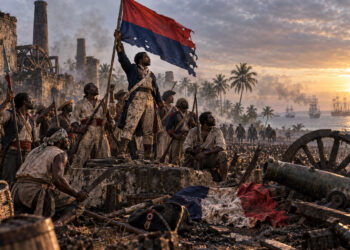
By the 16th and 17th centuries, gunpowder had reshaped warfare completely. Cannons, muskets, and early rifles replaced swords and shields. European empires expanded through military superiority, using disciplined infantry formations and naval power. Battles like Waterloo and Trafalgar showcased strategy on a global scale, where logistics, communication, and timing became as vital as brute strength. War had become a science — one measured in precision and planning.
Industrial and Modern Warfare: Machines and Mobility
The Industrial Revolution transformed war once again. Railroads, telegraphs, and mass-produced weapons gave rise to mechanized armies. The World Wars introduced tanks, airplanes, submarines, and chemical weapons — changing both the scale and ethics of warfare. Strategies like trench warfare and blitzkrieg defined new eras of combat, emphasizing speed, mobility, and coordination. The invention of nuclear weapons redefined global power and deterrence, making diplomacy as critical as firepower.
Digital and Cyber Warfare: The Battles of the Future
Today, warfare extends beyond physical battlefields into cyberspace. Nations invest heavily in cyber defense, drones, and AI-driven intelligence to predict and prevent attacks. Modern conflicts are fought as much with data as with weapons. Psychological and information warfare — influencing minds and narratives — has become a defining feature of the 21st century. As technology advances, the line between war and peace grows increasingly blurred.
Conclusion
The evolution of warfare reflects humanity’s constant pursuit of dominance, security, and understanding. From swords and shields to satellites and cyber systems, every innovation has reshaped how conflicts are fought and resolved. As strategies evolve and technology advances, the lessons of history remind us that while the nature of war changes, its human cost remains the same.