Throughout history, war has been one of the most transformative forces shaping civilizations. Ancient conflicts were not merely about conquest—they redrew maps, redefined power, and reshaped the very foundations of culture and faith. From the battles of Mesopotamia to the campaigns of Alexander the Great, war became both a destructive and creative force, forging new identities from the ashes of the old.
Empires and the Birth of Borders
In the ancient world, geography was destiny—but wars redrew those destinies. Empires such as Egypt, Persia, and Rome expanded through conquest, pushing boundaries beyond imagination. Each victory or defeat carved new political borders that defined trade routes, cultural exchange, and power centers. When empires collapsed, successor states emerged, carrying fragments of their predecessors’ identity, language, and governance. The modern concept of nations can trace its roots back to these ancient shifts.
Cultural Exchange Through Conquest
While war often brought destruction, it also acted as an unlikely bridge between civilizations. Victorious armies carried home not only treasures but also knowledge—new technologies, languages, and customs. Alexander’s campaigns, for instance, spread Hellenistic culture from Greece to India, blending Eastern and Western philosophies. Similarly, the expansion of the Persian Empire created one of the first multicultural states, where tolerance and diversity became pillars of governance.
Faith Forged in Conflict
Wars didn’t just alter territory—they redefined belief systems. The fall of kingdoms often led to religious syncretism, as conquering and conquered peoples merged deities and rituals. Rome’s adoption of Christianity, initially a persecuted faith, marked a monumental shift that reshaped the spiritual map of Europe. In other regions, such as the Near East, wars over sacred lands gave rise to enduring religious narratives that continue to influence global belief systems today.
The Human Cost and Legacy
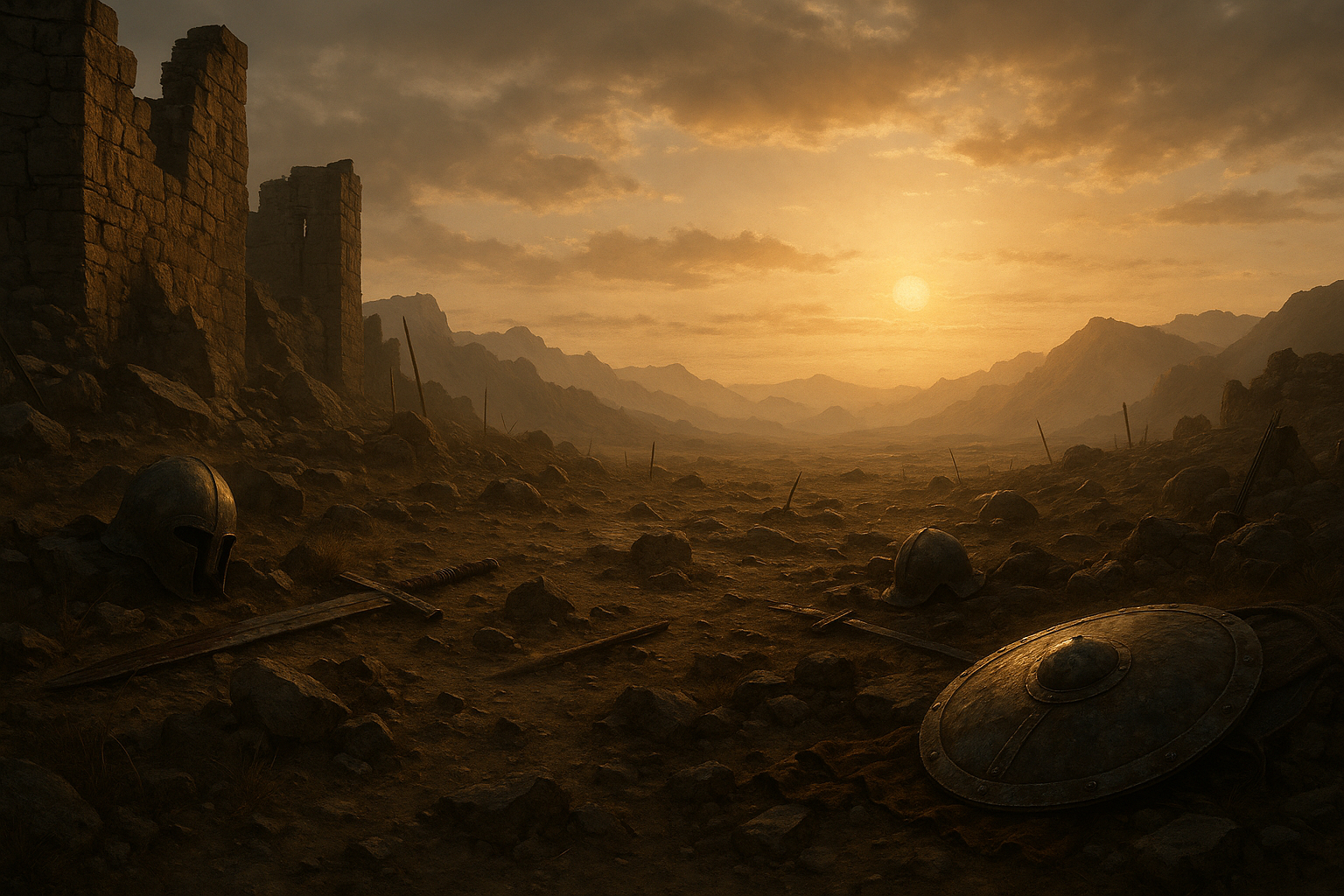
Ancient wars left more than ruins—they left stories, legends, and lessons. Epics like The Iliad and Mahabharata preserved the emotional toll of conflict while celebrating heroism and resilience. These tales remind us that war’s influence extends far beyond the battlefield—it changes how societies see themselves and their place in the world.
Conclusion
Ancient wars were not just struggles for survival—they were catalysts for transformation. They created new worlds, erased old ones, and molded the beliefs and boundaries that still shape humanity. The echoes of those ancient conflicts remind us that while war divides, its aftermath often binds civilizations together through shared history and collective memory.