The story of the Russian Empire is one of ambition, conflict, and dramatic transformation. Rising from a collection of fragmented states, it expanded into one of the world’s largest empires, shaping global politics for centuries. Its legacy is defined by powerful rulers, sweeping reforms, and turbulent revolutions that reshaped society and challenged long-held traditions. Understanding the rise and fall of the empire reveals how a nation forged its identity through both strength and struggle.
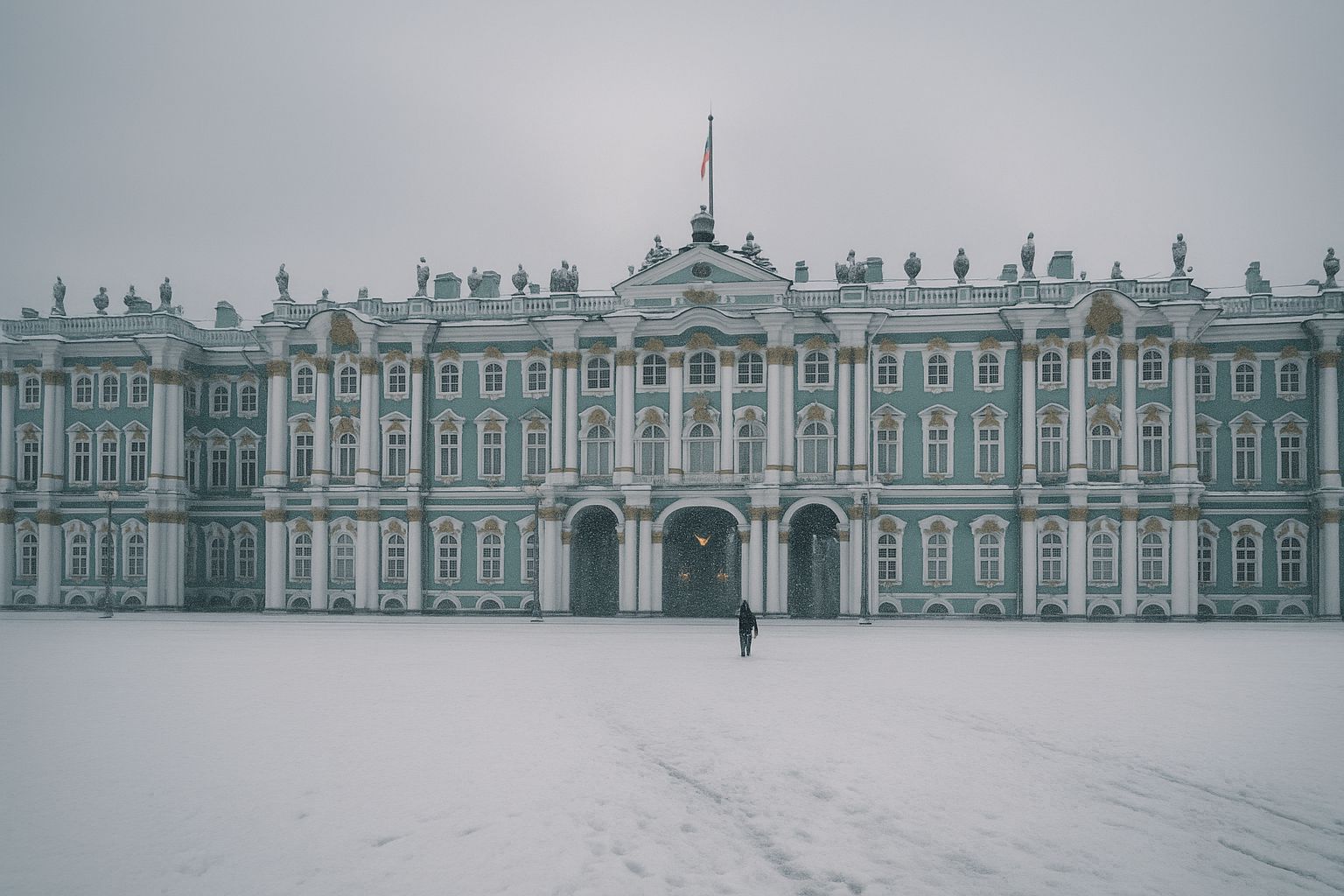
From grand palaces to vast frontiers, the empire symbolized a blend of cultural richness and political tension. Its history is marked by expansion, modernization, and ultimately the revolutionary forces that led to its collapse and eventual rebirth in a new form.
The Growth of Imperial Power
The Russian Empire expanded rapidly through conquest, diplomacy, and strategic alliances. Leaders like Peter the Great and Catherine the Great pushed modernization, built strong military forces, and opened the nation to Western ideas. This era of transformation allowed Russia to become a dominant global power, influencing Europe and Asia through territory, trade, and culture.
A Society of Contrasts
While the empire showcased luxury, art, and innovation, it also struggled with deep social inequality. Nobles lived in grandeur while millions of peasants faced harsh labor and limited freedom. These contrasts fueled unrest and helped shape the revolutionary movements that would follow. The clash between tradition and reform became one of the defining tensions of the era.
Revolution and Collapse
By the early 20th century, growing dissatisfaction erupted into revolution. Economic hardship, political frustration, and military failures pushed citizens toward dramatic change. The fall of the Romanov dynasty marked the end of imperial rule, leading to civil war and the rise of a new political system. This moment reshaped the nation’s identity and the future of global politics.
Rebirth Through Transformation
Though the empire fell, Russia reinvented itself through a dramatic rebirth. New leadership, new ideologies, and new national goals emerged from the revolution. The country rebuilt its strength, influencing global affairs for decades to come. This transformation shows how nations evolve through both conflict and resilience.
Conclusion
The Russian Empire’s history reflects a powerful blend of ambition, reform, and upheaval. Its rise, collapse, and rebirth illustrate how deeply political and social forces can shape a nation’s identity. The legacy of the empire continues to influence culture, governance, and global relations, reminding us of the enduring impact of its complex past.