

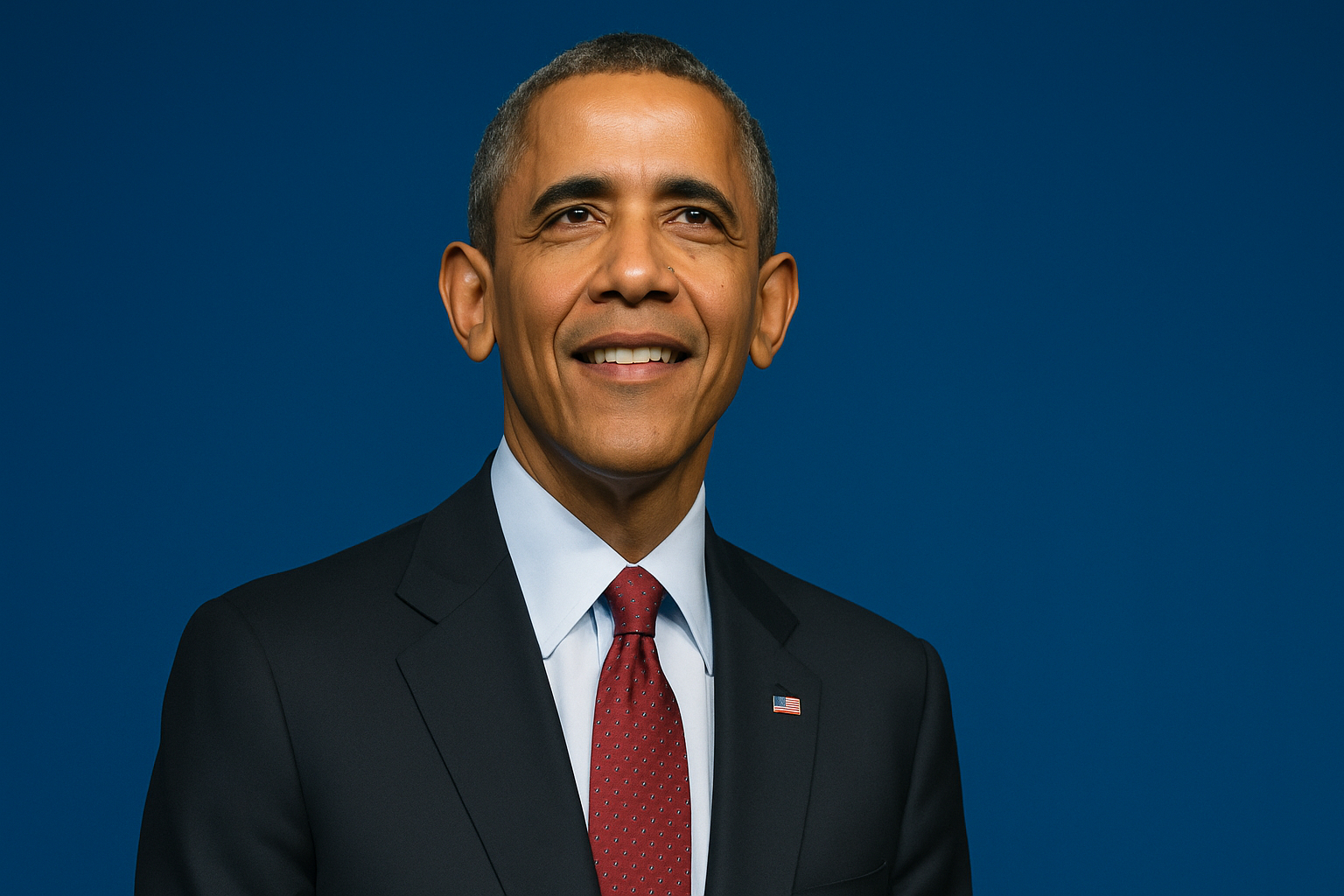
Barack Obama’s leadership journey is a powerful example of how hope can shape not only a political movement but also a generation’s outlook on progress. Rising from humble beginnings, he demonstrated that empathy, intellect, and resilience could form the foundation of transformative leadership. His message of hope was never passive optimism—it was a call to action grounded in unity, integrity, and belief in collective potential. Through his words and decisions, Obama showed how visionary leadership can inspire change even in moments of uncertainty.
Hope as a Strategic Leadership Tool
Obama’s approach to leadership redefined the meaning of hope in public life. Instead of treating it as an emotional comfort, he used hope as a strategic tool to mobilize people toward meaningful action. He encouraged individuals from diverse backgrounds to see themselves as part of a shared story with the power to shape the future. This mindset helped rebuild trust in leadership and motivated citizens to engage more actively in civic life.
Empathy at the Core of Decision-Making
One of Obama’s defining strengths was his ability to listen deeply and approach issues with empathy. His leadership style emphasized understanding people’s lived experiences and using that understanding to guide policy. Whether addressing healthcare, education, or international diplomacy, he sought solutions that balanced compassion with practicality. This care-driven approach strengthened connections with communities and set a new standard for emotional intelligence in leadership.
Leading Through Complexity and Change
Obama governed during periods of economic strain, social division, and global challenges. Rather than relying solely on authority, he leaned on transparency, collaboration, and measured optimism. His calm demeanor in crisis demonstrated how stability and clear communication can anchor a nation during turbulent times. By empowering teams, valuing expertise, and encouraging innovation, he reinforced the idea that leadership thrives on collaboration rather than command.
A Legacy Rooted in Possibility
Beyond policies and speeches, Obama’s lasting influence lies in how he reshaped the narrative around what is possible. His rise to the presidency expanded societal imagination, showing countless people—particularly young individuals—that barriers can be broken. His commitment to service, mentorship, and community building continues to inspire leaders who aim to create change through unity and purpose.
Conclusion
Barack Obama’s journey illustrates how hope, when paired with action and empathy, becomes a transformative force in leadership. His example encourages future leaders to dream boldly, listen deeply, and lead with integrity. Through this blend of vision and compassion, he demonstrated that hope is not just an idea—it is a powerful catalyst for progress.