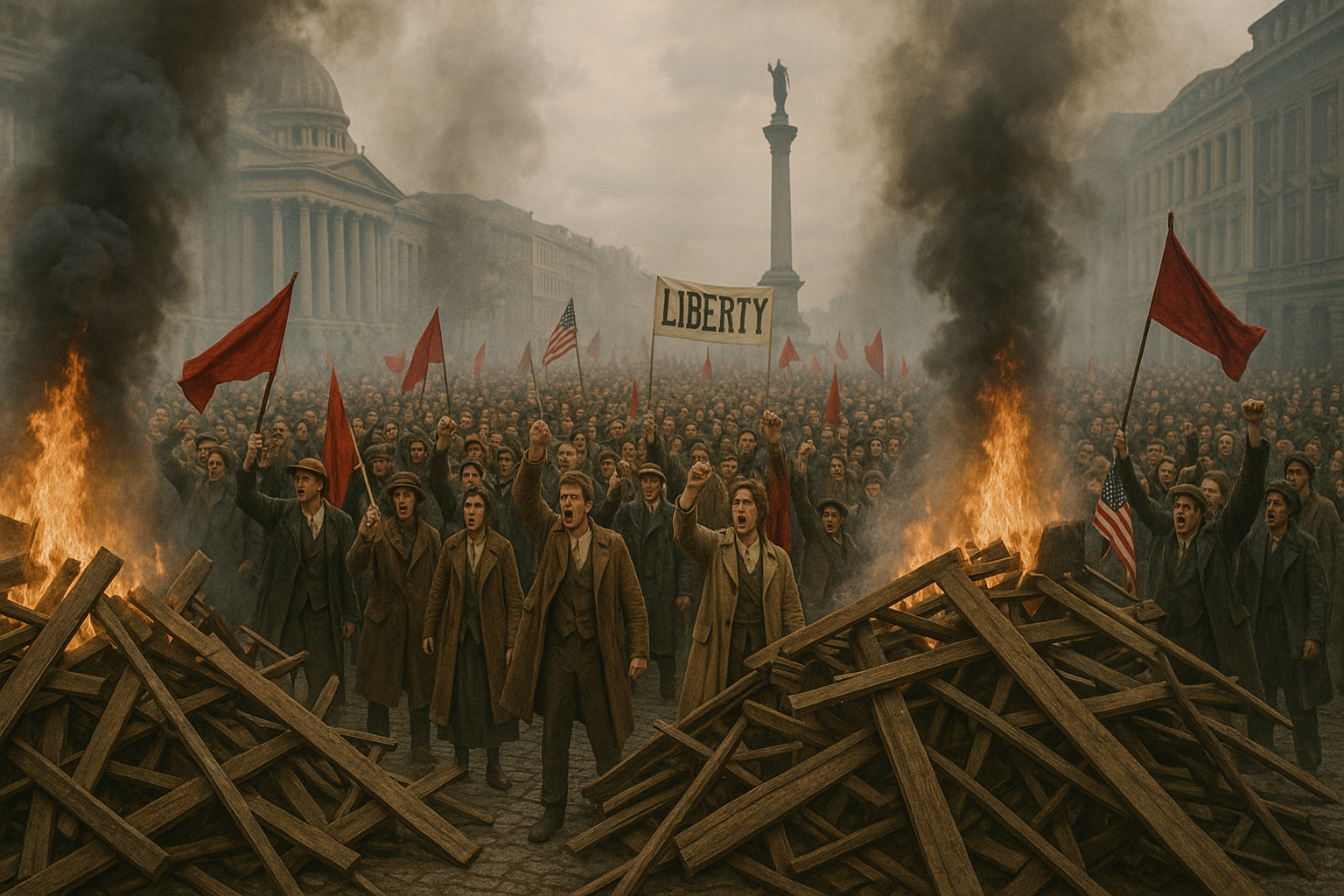
History is shaped by a repeating rhythm—periods of intense upheaval followed by moments of thoughtful reconstruction. While revolutions often emerge from frustration, inequality, or the desire for freedom, reforms arise from the need to stabilize, rebuild, and create lasting systems. Together, these cycles reveal how societies evolve, how power shifts, and how new ideas take root. Understanding this pattern helps us recognize not just the dramatic turning points of history, but also the quieter phases where real progress is designed and implemented.
Why Revolutions Become Turning Points
Revolutions erupt when existing structures fail to meet the needs of the people they govern. Whether political, social, or cultural, these moments bring sudden disruption that challenges long-standing norms. They often begin with small sparks—public grievances, economic strain, or ideological movements—that grow into widespread calls for change. Even though revolutions can be turbulent, they play a vital role in clearing the path for new systems and fresh ideas.
Reform as the Quiet Engine of Progress
After a revolution comes the equally important phase of reform. This stage focuses on building durable institutions, rewriting laws, improving governance, and creating stability. Reform may not be as dramatic as revolution, but it determines whether change succeeds or collapses. Through careful policy decisions and structural adjustments, societies solidify the gains made during turbulent periods and lay foundations for future generations.
How These Cycles Shape Civilizations
The pattern of revolution followed by reform can be seen across eras—ancient empires, medieval kingdoms, modern democracies, and emerging nations. Each cycle transforms social values, redistributes power, and inspires cultural renewal. By studying these patterns, historians gain insight into how human societies respond to crisis, adapt to new realities, and rebuild when old systems fail. The cycle is not always predictable, but it consistently reveals humanity’s resilience and capacity for reinvention.
Recognizing the Cycle in Today’s World
Even in the modern era, we see echoes of these historical patterns. Advances in technology, shifts in public opinion, or global challenges can create pressure points that demand change. Whether through widespread movements or gradual policy updates, the need to evolve remains constant. Understanding the cycles of history helps leaders and citizens alike see the bigger picture, anticipate future transitions, and contribute meaningfully to progress.
Conclusion
Revolution and reform are two forces that shape the evolution of societies. One breaks barriers, while the other builds foundations. Together, they form a cycle that defines human history—reminding us that every period of upheaval eventually invites a new phase of construction, reflection, and hope.