Leadership is often defined by moments of challenge, and few figures embody that principle as clearly as George Washington. Long before he became the first President of the United States, Washington’s character was forged through perseverance, humility, and a strong sense of duty. His story is not just about victory on the battlefield or political success — it’s about the steady growth of a leader who shaped a nation through integrity, courage, and restraint.
Early Lessons in Responsibility
Washington’s journey toward leadership began early. Growing up in colonial Virginia, he learned discipline and responsibility through hard work on his family’s farm. Though his formal education was limited, his curiosity and observation of people gave him a natural understanding of human behavior — a skill that would later guide his leadership style. His early experiences as a surveyor taught him precision, patience, and respect for the vast, untamed landscapes that represented the future of his young country.
Trial by Fire: The Military Path
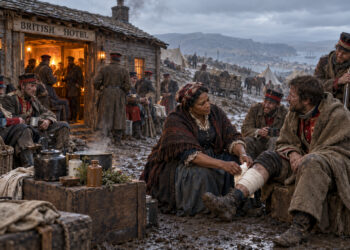
Washington’s first major test came during the French and Indian War, where he served as a young officer. These early campaigns were filled with challenges — limited resources, harsh conditions, and the constant pressure of command. Washington made mistakes but treated each as a lesson in leadership. He learned the value of preparation, morale, and decisiveness. This experience transformed him from an ambitious officer into a thoughtful commander — one who understood that leadership meant responsibility for both success and sacrifice.
Commanding the Revolution
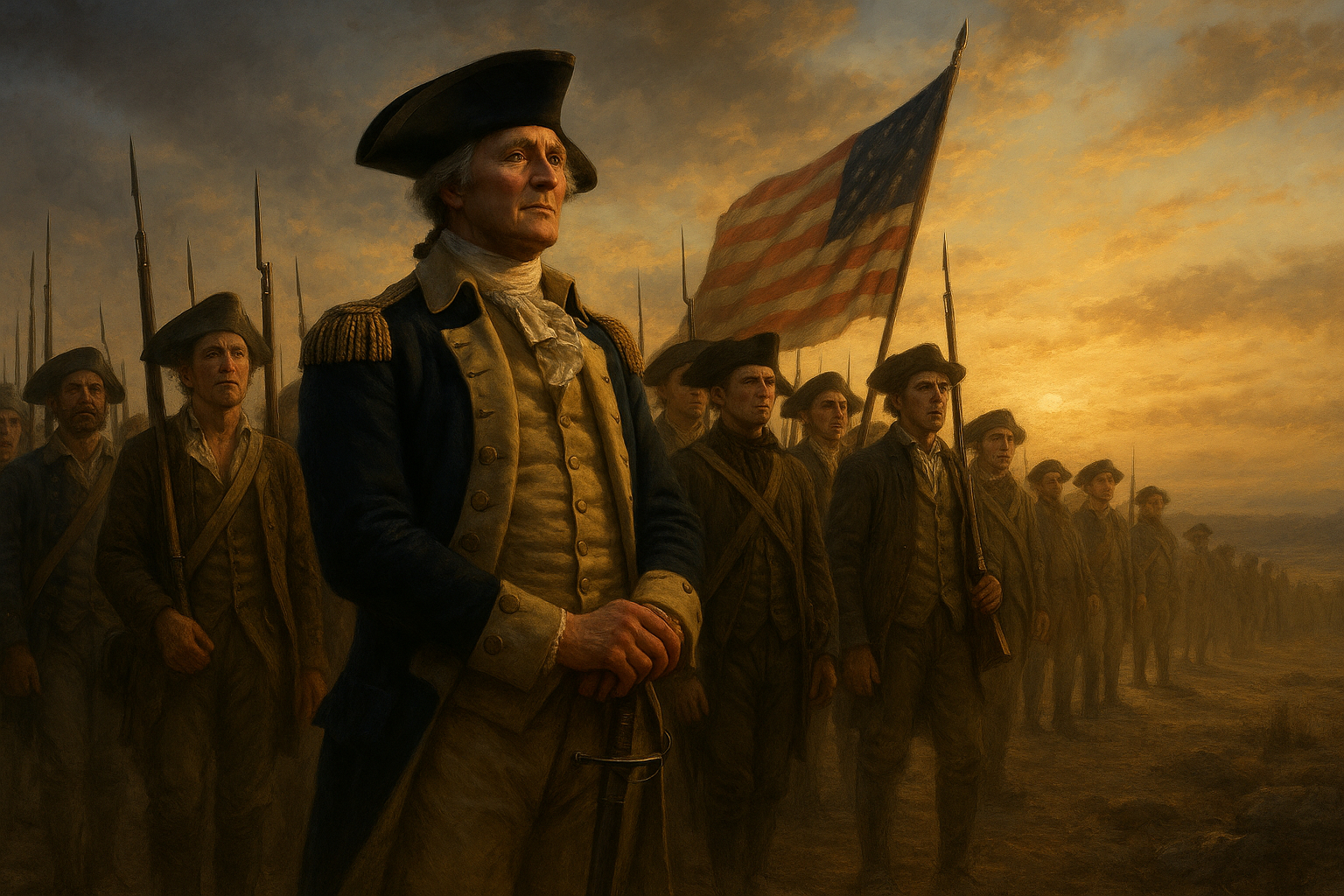
When Washington was appointed commander-in-chief of the Continental Army, he faced an almost impossible task: leading a poorly equipped force against one of the most powerful military empires in the world. Yet, his calm under pressure and commitment to unity inspired trust. Washington led by example — enduring the same hardships as his soldiers, sharing their struggles, and earning their loyalty. His patience at Valley Forge and his strategic perseverance turned moments of despair into turning points of hope.
The Humility of Power
Perhaps Washington’s greatest act of leadership came not in battle but in restraint. After the Revolutionary War, many expected him to seize power or establish himself as a monarch. Instead, he voluntarily relinquished command — a gesture that astonished the world. Later, as the nation’s first president, he again demonstrated humility by stepping down after two terms, setting a precedent for peaceful transfer of power. In doing so, he defined leadership not as dominance, but as service.
The Legacy of Character
Washington’s leadership was rooted in character — a balance of vision and self-control. He understood that authority without virtue leads to instability. His approach combined confidence with empathy, discipline with fairness. Even centuries later, his legacy continues to influence how leadership is understood: not as a quest for glory, but as a responsibility to act with honor and purpose.
Conclusion
George Washington’s story is more than a tale of founding a nation; it’s a timeless lesson in leadership. His strength lay not only in commanding armies but in commanding respect through example. By leading with humility, conviction, and integrity, he proved that true leadership is born not from ambition, but from service. Washington’s legacy reminds us that every generation must rediscover what he taught through action — that the greatest leaders build not for themselves, but for the future.