
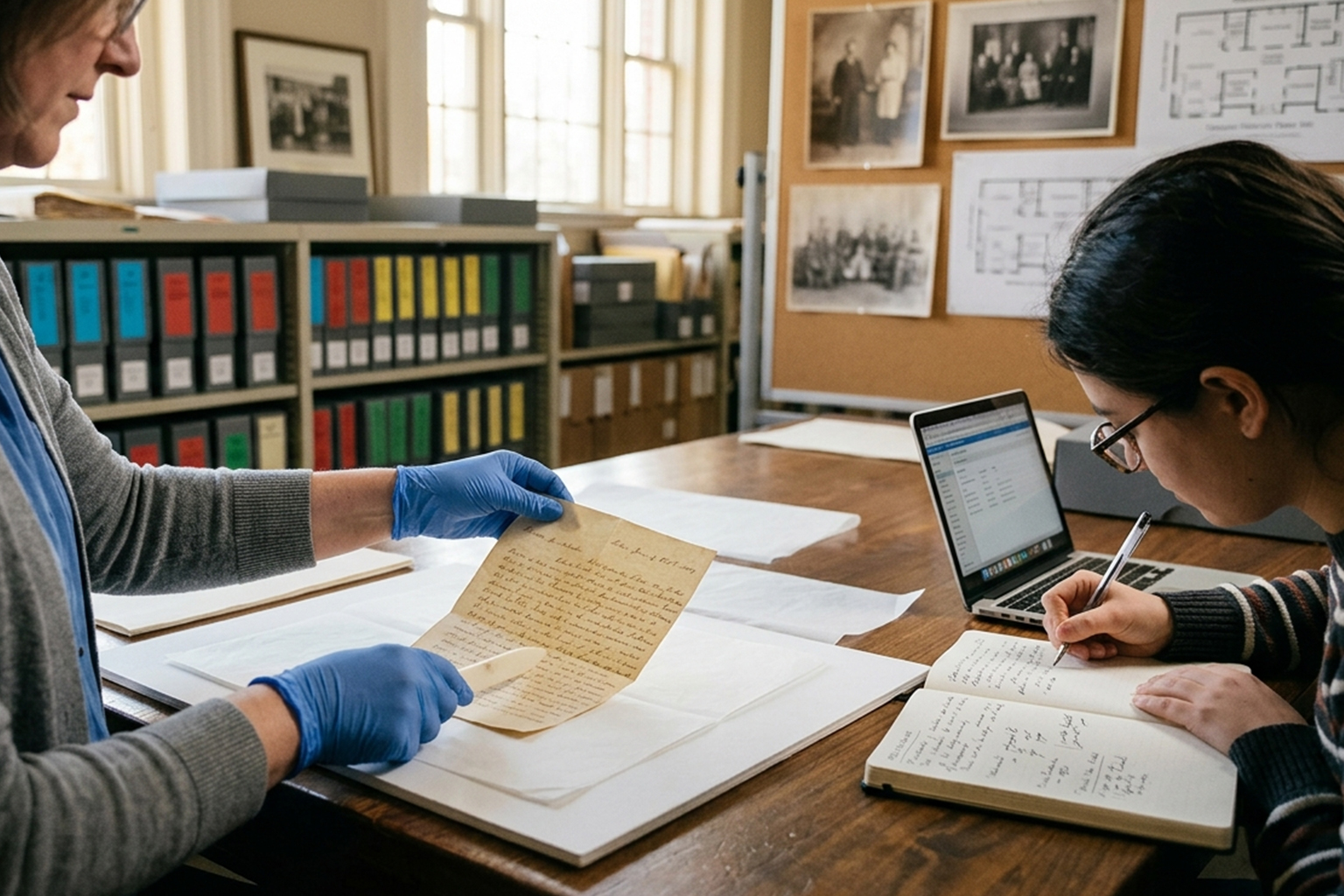
Few figures behind the scenes receive recognition for shaping how we understand the past. Archivists curate, preserve, and sometimes reinterpret documents that become the raw material of history for future inquiry. One such archivist, little known outside specialist circles, built practices that changed access and narrative framing for later generations. This profile examines their approach and lasting impact.
Early Life and Entry into Archives
Raised in a modest intellectual environment, the archivist developed an early fascination with records and material culture. Training combined technical skills with a philosophy that emphasized context over mere cataloguing. Early appointments at regional repositories exposed them to fragmented collections and the challenge of incomplete narratives. Those experiences informed a career focused on reconstructing underrepresented voices. They also forged partnerships with community historians to recover oral histories and contextualize documentary gaps.
Their methodological lens prioritized provenance and provenance’s stories over isolated artifacts. This emphasis would become a hallmark of their professional work. Peers gradually adopted these principles.
Innovations in Preservation and Access
They introduced practical reforms: systematic metadata standards, improved conservation techniques, and community-oriented accession policies. Rather than hoarding materials, they advocated for selective digitization and descriptive notes that highlighted social histories. Colleagues initially resisted changes that required additional labor and judgment calls. Over time, the reforms reduced barriers to use and broadened who could consult primary sources. They documented choices carefully, producing guides that eased later adoption.
These technical choices also had interpretive consequences, shaping which documents surfaced in research. The archivist thus influenced both preservation and the lived narratives scholars encountered. These shifts underlined the interpretive role of archival selection.
Influence on Scholars and Public Understanding
Researchers found new pathways into collections once descriptive practices emphasized networks and relationships among documents. The archivist collaborated with historians, journalists, and educators to curate exhibitions and resource guides. Students trained under their system learned to read archives critically, detecting silences and gaps as sources of inquiry. Public exhibitions translated dense records into accessible stories that reached audiences beyond academia. Their outreach translated specialist expertise into civic conversations about responsibility to the record.
As a result, scholarship expanded to include marginalized actors whose traces had been previously overlooked. The archivist’s legacy can be traced in methodological shifts across disciplines. Institutions that followed their model reported more diverse research outputs.
Conclusion
Recognition of such caregivers of memory remains uneven but is increasingly important to public discourse. Understanding their choices helps explain how historical narratives are constructed, revised, and how selection reflects power and perspective. Appreciating this work reshapes how we value the stewardship of the past and informs institutional decisions about preservation and access.