
Uncover History’s Secrets with Daily Updates!
Daily News Entertainment
  • Home
  • History
  • Biographies
  • Eras
  • Regions
  • Timeline
No Result
View All Result
History Ours
  • Home
  • History
  • Biographies
  • Eras
  • Regions
  • Timeline
No Result
View All Result
History Ours
No Result
View All Result
Home History

Boundaries of Belonging in Historic Market Communities

in History
Boundaries of Belonging in Historic Market Communities

Historic market towns were shaped not only by commerce but by subtle boundaries of belonging that governed daily life. Residents navigated identities defined by occupation, kinship, and ritual participation, and these markers influenced access to space and resources. Markets, inns, and parish institutions served as sites where social status was performed and negotiated through everyday practice. Understanding these rhythms reveals how community membership was built and contested over time.

Public Spaces and Everyday Rules

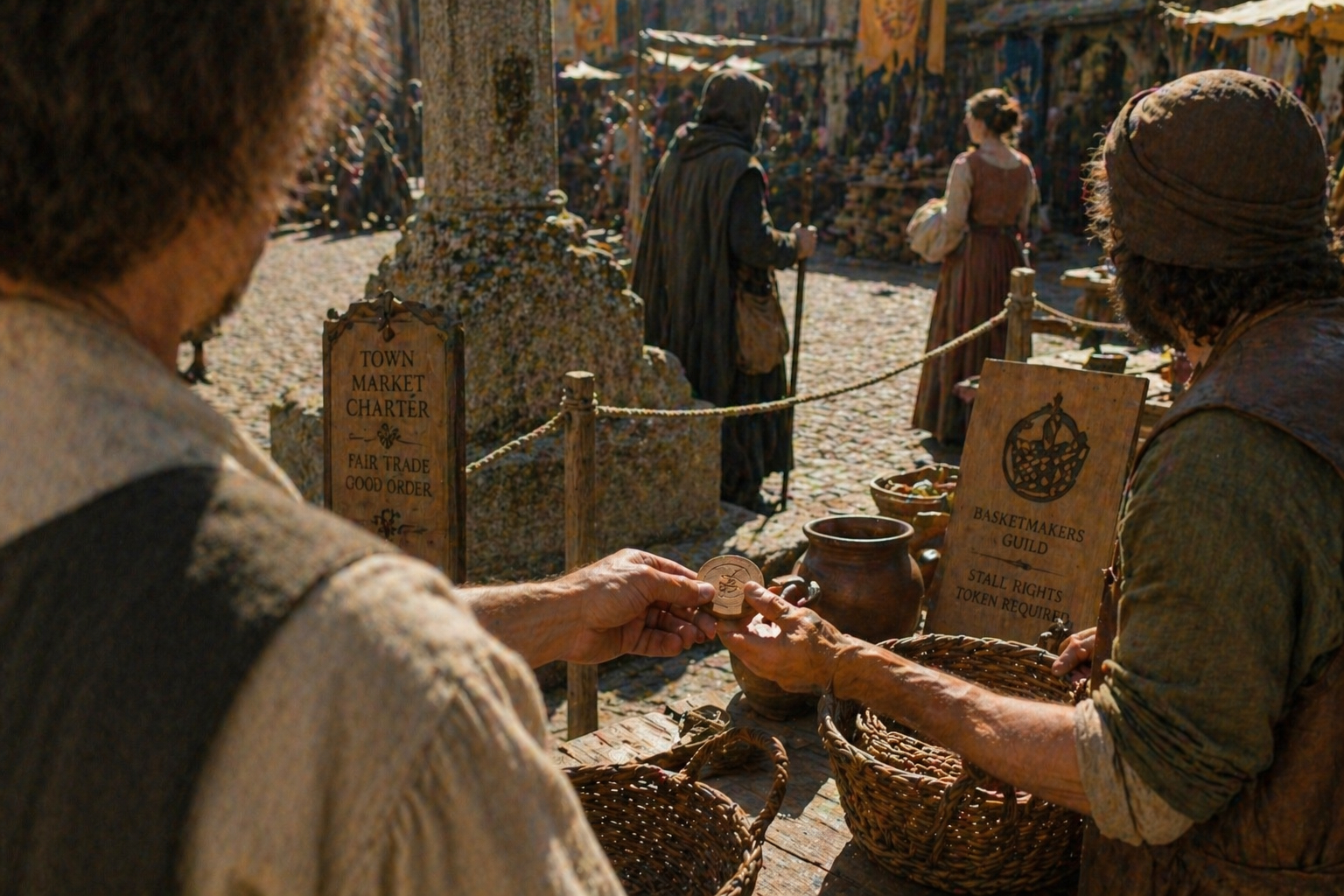
Public areas in market towns functioned as stages for negotiation, where formal regulations met customary practice. Market days enforced temporal rules — when stalls opened, who had priority at the cross, and how goods were displayed — but unwritten codes about queueing, courtesy, and dispute resolution were equally important. Town authorities and guilds produced visible markers like market crosses or signage, yet ordinary people shaped norms through repeated interaction. Observing these practices helps reconstruct the lived order of urban life beyond legal records.

These dynamics meant that belonging was both imposed and earned through participation. Everyday enforcement relied as much on peer pressure and reputation as on official sanctions.

Household Economies and Market Exchange

Households anchored the economic rhythms of market towns, blending domestic production with public commerce. Artisans, smallholders, and itinerant traders balanced household consumption, craft production, and market sales in ways that produced flexible livelihoods. Access to market space or credit depended on relationships that cut across family lines and neighborhoods, affecting who could scale production or absorb shocks. Looking closely at receipts, ledgers, and oral testimony uncovers patterns of cooperation and competition embedded in everyday transactions.

This entwining of household and market blurred public-private distinctions that modern observers often assume. It made belonging a matter of economic as well as social exchange.

Informal Networks and Civic Order

Beyond formal institutions, informal networks — kin groups, apprenticeship ties, patron-client relations — maintained civic order and mediated conflicts. These ties facilitated information flow, labor sharing, and mutual aid during shortages or festival seasons, reinforcing a sense of mutual obligation. They could also exclude, creating neighborhood reputations or access barriers for newcomers and outsiders. Studying petitions, court cases, and communal rituals illuminates how these networks stabilized or strained local solidarity.

Recognizing the role of these informal systems changes how historians interpret urban governance. It highlights daily practices as foundational to communal resilience.

Conclusion

Boundaries of belonging in market towns were produced through routine practices that negotiated space, resources, and reputations. By attending to public behavior, household strategies, and informal ties, we recover a textured picture of community life. This perspective shows how small acts sustained broader orders and how belonging was continually remade.


Previous Post

Daily Routes and Hidden Economies of Market Town Streets

Next Post

How an Unsung Archivist Shaped Historical Memory

Related Posts

John Snow, the Broad Street Pump, and Cholera’s Fall
History

John Snow, the Broad Street Pump, and Cholera’s Fall

October 29, 2026
The Vasa: Sweden’s Giant Ship That Couldn’t Sail
History

The Vasa: Sweden’s Giant Ship That Couldn’t Sail

October 29, 2026
The Ghost Army: How Artists Fooled Hitler’s Front
History

The Ghost Army: How Artists Fooled Hitler’s Front

October 24, 2026
How Iceland’s 1783 Laki Fissure Eruption Chilled an Age
History

How Iceland’s 1783 Laki Fissure Eruption Chilled an Age

October 24, 2026
Next Post
How an Unsung Archivist Shaped Historical Memory

How an Unsung Archivist Shaped Historical Memory

Search..

No Result
View All Result

Recent Articles

The Salon Era: How Conversation Shaped the Enlightenment

The Salon Era: How Conversation Shaped the Enlightenment

October 31, 2026
Tenement New York: Life in Vertical Slums, 1870–1910

Tenement New York: Life in Vertical Slums, 1870–1910

October 31, 2026
Mary Seacole: The Jamaican Nurse Who Went to War

Mary Seacole: The Jamaican Nurse Who Went to War

October 30, 2026
Ada Lovelace: The Poet Who Helped Imagine Modern Computers

Ada Lovelace: The Poet Who Helped Imagine Modern Computers

October 30, 2026
John Snow, the Broad Street Pump, and Cholera’s Fall

John Snow, the Broad Street Pump, and Cholera’s Fall

October 29, 2026

Subscribe Us

By clicking submit, I authorize History Ours and its affiliated companies to: (1) use, sell, and share my information for marketing purposes, including cross-context behavioral advertising, as described in our Terms of Service and Privacy Policy, (2) supplement the information that I provide with additional information lawfully obtained from other sources, like demographic data from public sources, interests inferred from web page views, or other data relevant to what might interest me, like past purchase or location data, (3) contact me or enable others to contact me by email with offers for goods and services from any category at the email address provided, and (4) retain my information while I am engaging with marketing messages that I receive and for a reasonable amount of time thereafter. I understand I can opt out at any time through an email that I receive, or by clicking here

Subscribe To Our Newsletter

By clicking submit, I authorize History Ours and its affiliated companies to: (1) use, sell, and share my information for marketing purposes, including cross-context behavioral advertising, as described in our Terms of Service and Privacy Policy, (2) supplement the information that I provide with additional information lawfully obtained from other sources, like demographic data from public sources, interests inferred from web page views, or other data relevant to what might interest me, like past purchase or location data, (3) contact me or enable others to contact me by email with offers for goods and services from any category at the email address provided, and (4) retain my information while I am engaging with marketing messages that I receive and for a reasonable amount of time thereafter. I understand I can opt out at any time through an email that I receive, or by clicking here.

© 2026 History Ours | All Rights Reserved

  • Contact Us
  • Privacy Policy
  • Terms of Service
  • Unsubscribe
  • Privacy Choices
  • Contact Us
  • Privacy Policy
  • Terms of Service
  • Unsubscribe
  • Privacy Choices

© 2026 History Ours | All Rights Reserved

No Result
View All Result
  • Home
  • History
  • Biographies
  • Eras
  • Regions
  • Timeline

© 2026 History Ours | All Rights Reserved

Skip to content
Open toolbar Accessibility Tools

Accessibility Tools

  • Increase TextIncrease Text
  • Decrease TextDecrease Text
  • GrayscaleGrayscale
  • High ContrastHigh Contrast
  • Negative ContrastNegative Contrast
  • Light BackgroundLight Background
  • Links UnderlineLinks Underline
  • Readable FontReadable Font
  • Reset Reset