Uncover History’s Secrets with Daily Updates!
Daily News Entertainment
  • Home
  • History
  • Biographies
  • Eras
  • Regions
  • Timeline
No Result
View All Result
History Ours
  • Home
  • History
  • Biographies
  • Eras
  • Regions
  • Timeline
No Result
View All Result
History Ours
No Result
View All Result
Home Biographies

Irena Sendler: The Nurse Who Hid an Empire of Children

in Biographies
Irena Sendler: The Nurse Who Hid an Empire of Children

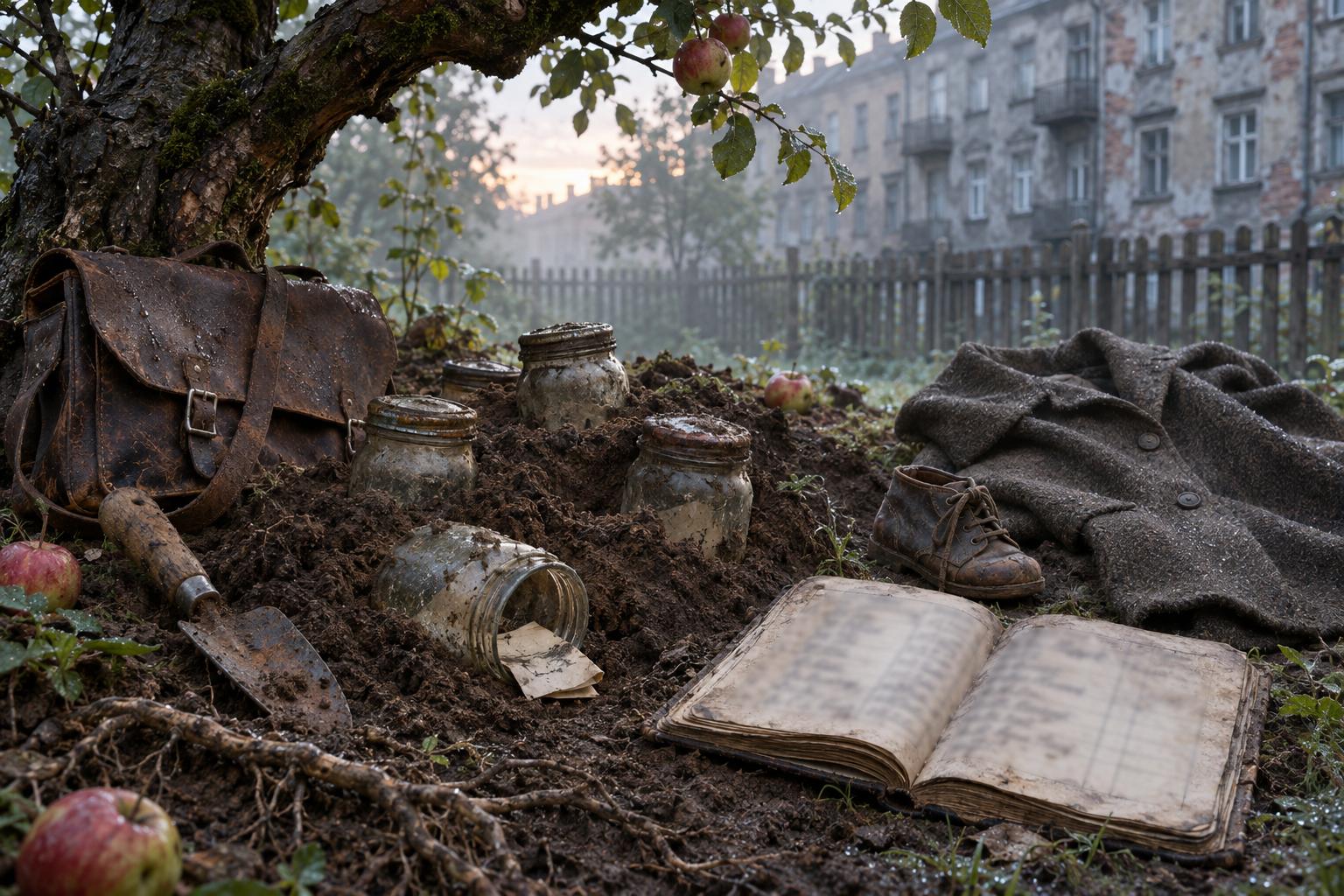
One of the clearest images left behind by Irena Sendler is oddly domestic: dozens of glass jars, each containing a folded scrap of paper. On those scraps she had written the real names of Jewish children she had helped save from the Warsaw Ghetto. She buried the jars under an apple tree in a friend’s garden so that, if the children survived, their families might one day be able to find them.

Sendler was not a soldier or a celebrity. Before the war she worked for Warsaw’s social welfare department, visiting poor families, delivering soup and medicine. When the Nazis sealed off the ghetto she kept going—at first as an aid worker, then as a courier and forger, and finally as an organizer. Her official papers and her job gave her a cover story; her steady calm let desperate parents entrust her with children they could not keep.

Methods: disguise, paperwork, and improvisation

There was no single scheme that worked. Some children were smuggled out in carts of rubbish or bundled under coats. Others left in ambulances, hidden in packages, or carried out on stretchers. Sendler and the network she helped lead—connected with the Polish underground and the clandestine group Zegota—made false identity papers, found non-Jewish homes, convents and orphanages to take the children, and taught older ones new names and stories to survive the checkpoints.

Her ledger was an act of faith. Each entry paired the child’s Jewish identity with the alias and location that would keep them alive. The jar-burial was not secrecy for secrecy’s sake; it was a way of preserving truth under impossible odds, so families could be pieced back together if any returned.

Capture, survival, and a complicated legacy

Sendler’s work finally drew attention. She was arrested by the Gestapo, tortured, and condemned. Members of the underground secured her release and hid her until the war’s end. The children she had helped save—historians estimate about 2,500—went through varied fates: some reunited with relatives, many remained with their new families, and others grew into adulthood without knowing their original names until the jars were dug up after the war.

After 1945 Sendler returned to social work. For decades her story lived mainly in the memories of survivors and the local networks that had sheltered those children. Wider recognition came only much later, as testimonies and archives brought those jars and their papers into the open.

Conclusion

Irena Sendler’s life is a study in quiet logistics turned moral defiance: ordinary paperwork and patient planning used to break the machinery of mass murder. The jars beneath an apple tree remain a stubborn image—small, fragile containers that held the names of children and, with them, a stubborn refusal to let identity be erased.
Previous Post

The Defenestration That Ignited the Thirty Years’ War

Next Post

Ibn Battuta: Journeys That Sketched a Fourteenth‑Century World

Related Posts

Ibn Battuta: Journeys That Sketched a Fourteenth‑Century World
Biographies

Ibn Battuta: Journeys That Sketched a Fourteenth‑Century World

November 14, 2026
Noor Inayat Khan: The Wireless Operator Who Wouldn’t Be Silenced
Biographies

Noor Inayat Khan: The Wireless Operator Who Wouldn’t Be Silenced

November 9, 2026
Sybil Ludington: The Teen Who Rode Through War
Biographies

Sybil Ludington: The Teen Who Rode Through War

November 9, 2026
Rosalind Franklin and Photo 51: The X‑Ray That Changed Genetics
Biographies

Rosalind Franklin and Photo 51: The X‑Ray That Changed Genetics

November 4, 2026
Next Post
Ibn Battuta: Journeys That Sketched a Fourteenth‑Century World

Ibn Battuta: Journeys That Sketched a Fourteenth‑Century World

Search..

No Result
View All Result

Recent Articles

Night Before Neon: How Cities Lived by Moonlight

Night Before Neon: How Cities Lived by Moonlight

November 15, 2026
The Cable-Laying Era: How Submarine Cables Shrank the World

The Cable-Laying Era: How Submarine Cables Shrank the World

November 15, 2026
Ibn Battuta: Journeys That Sketched a Fourteenth‑Century World

Ibn Battuta: Journeys That Sketched a Fourteenth‑Century World

November 14, 2026
Irena Sendler: The Nurse Who Hid an Empire of Children

Irena Sendler: The Nurse Who Hid an Empire of Children

November 14, 2026
The Defenestration That Ignited the Thirty Years’ War

The Defenestration That Ignited the Thirty Years’ War

November 13, 2026

Subscribe Us

By clicking submit, I authorize History Ours and its affiliated companies to: (1) use, sell, and share my information for marketing purposes, including cross-context behavioral advertising, as described in our Terms of Service and Privacy Policy, (2) supplement the information that I provide with additional information lawfully obtained from other sources, like demographic data from public sources, interests inferred from web page views, or other data relevant to what might interest me, like past purchase or location data, (3) contact me or enable others to contact me by email with offers for goods and services from any category at the email address provided, and (4) retain my information while I am engaging with marketing messages that I receive and for a reasonable amount of time thereafter. I understand I can opt out at any time through an email that I receive, or by clicking here

Subscribe To Our Newsletter

By clicking submit, I authorize History Ours and its affiliated companies to: (1) use, sell, and share my information for marketing purposes, including cross-context behavioral advertising, as described in our Terms of Service and Privacy Policy, (2) supplement the information that I provide with additional information lawfully obtained from other sources, like demographic data from public sources, interests inferred from web page views, or other data relevant to what might interest me, like past purchase or location data, (3) contact me or enable others to contact me by email with offers for goods and services from any category at the email address provided, and (4) retain my information while I am engaging with marketing messages that I receive and for a reasonable amount of time thereafter. I understand I can opt out at any time through an email that I receive, or by clicking here.

© 2026 History Ours | All Rights Reserved

  • Contact Us
  • Privacy Policy
  • Terms of Service
  • Unsubscribe
  • Privacy Choices
  • Contact Us
  • Privacy Policy
  • Terms of Service
  • Unsubscribe
  • Privacy Choices

© 2026 History Ours | All Rights Reserved

No Result
View All Result
  • Home
  • History
  • Biographies
  • Eras
  • Regions
  • Timeline

© 2026 History Ours | All Rights Reserved

Skip to content
Open toolbar Accessibility Tools

Accessibility Tools

  • Increase TextIncrease Text
  • Decrease TextDecrease Text
  • GrayscaleGrayscale
  • High ContrastHigh Contrast
  • Negative ContrastNegative Contrast
  • Light BackgroundLight Background
  • Links UnderlineLinks Underline
  • Readable FontReadable Font
  • Reset Reset