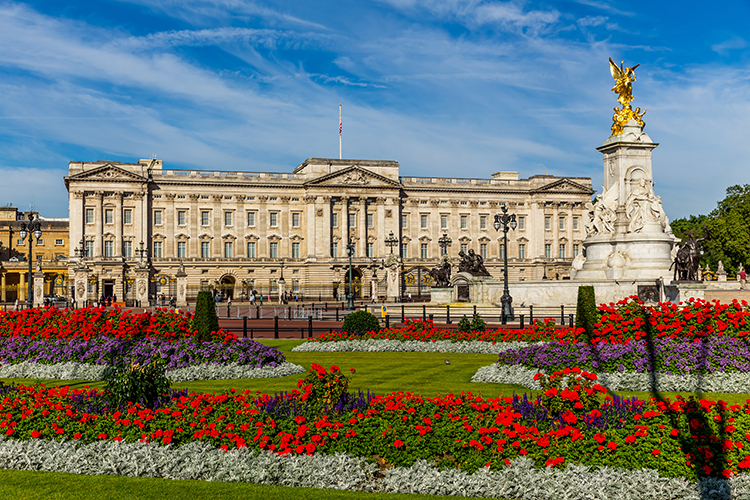
Queen Victoria’s reign stands as one of the most defining periods in modern history. Ascending the throne at a young age, she came to symbolize stability, continuity, and authority during a time of immense transformation. The era that bears her name witnessed sweeping changes in industry, empire, culture, and social values. More than just a ruler, Victoria became a powerful emblem of her age. Her influence shaped not only a nation, but also a global mindset that echoed far beyond her lifetime.
A Young Queen in a Changing World
When Victoria became queen, the monarchy’s role was still evolving. She ruled during the rapid expansion of industrialization, which transformed cities, labor, and everyday life. Railways, factories, and technological innovation reshaped society at an unprecedented pace. Amid this change, Victoria provided a sense of continuity, helping the monarchy adapt from direct political power toward symbolic leadership. Her long reign allowed her to grow alongside the nation she governed.
Empire, Power, and Global Influence
The Victorian era marked the height of imperial expansion. Under Victoria’s reign, influence extended across continents through trade, governance, and military presence. While this expansion brought wealth and global reach, it also raised complex questions about power, inequality, and control that historians continue to examine. Victoria herself became Empress of India, reinforcing her image as a global sovereign. Her rule reflected both the ambition and contradictions of empire.
Morality, Family, and Public Image
Queen Victoria strongly influenced social values, particularly around family, duty, and morality. Her personal life—especially her devotion to Prince Albert and later public mourning—shaped public ideals of marriage and respectability. The monarchy’s image became closely tied to discipline, responsibility, and moral conduct. This alignment helped strengthen public trust in the crown during a period of social change.
Cultural and Political Legacy
Beyond politics, the Victorian era left a lasting mark on literature, architecture, science, and education. Reform movements expanded access to schooling and reshaped governance. While Victoria did not rule alone in these developments, her presence provided continuity as institutions evolved. Her reign bridged tradition and modernity, leaving a legacy that continues to influence historical understanding.
Conclusion
Queen Victoria ruled more than a kingdom—she ruled an era defined by transformation and global reach. Her long reign shaped political identity, cultural values, and imperial power. As a monarch and symbol, she left an enduring imprint on history that still defines an age.