The Baroque period marked a dramatic shift in how art was experienced, transforming still images into scenes filled with movement, emotion, and intensity. Emerging in Europe during the late 16th century, Baroque art broke away from calm balance and instead embraced energy and spectacle. Artists sought to engage viewers not just visually, but emotionally, pulling them into the moment. This approach made art feel alive, as if frozen at the height of action. Baroque creativity reflected a world that was changing rapidly in politics, religion, and culture.
Emotion and Drama at the Center
One of the defining traits of Baroque art is its emotional power. Paintings and sculptures depict intense expressions, dramatic gestures, and moments of peak tension. Rather than idealized calm, artists focused on human vulnerability, passion, and movement. Faces show fear, devotion, joy, or pain with striking realism. This emotional immediacy helped viewers connect deeply with the subject, making art feel personal and immersive.
Movement, Light, and Visual Energy
Baroque artists mastered the illusion of motion. Twisting bodies, flowing fabric, and diagonal compositions guide the eye across the artwork. Light plays a crucial role, often using strong contrasts between brightness and shadow to heighten drama and focus attention. This technique adds depth and directs emotion, making scenes feel dynamic rather than static. The result is art that feels like it is unfolding in real time.
Architecture and Space in Motion
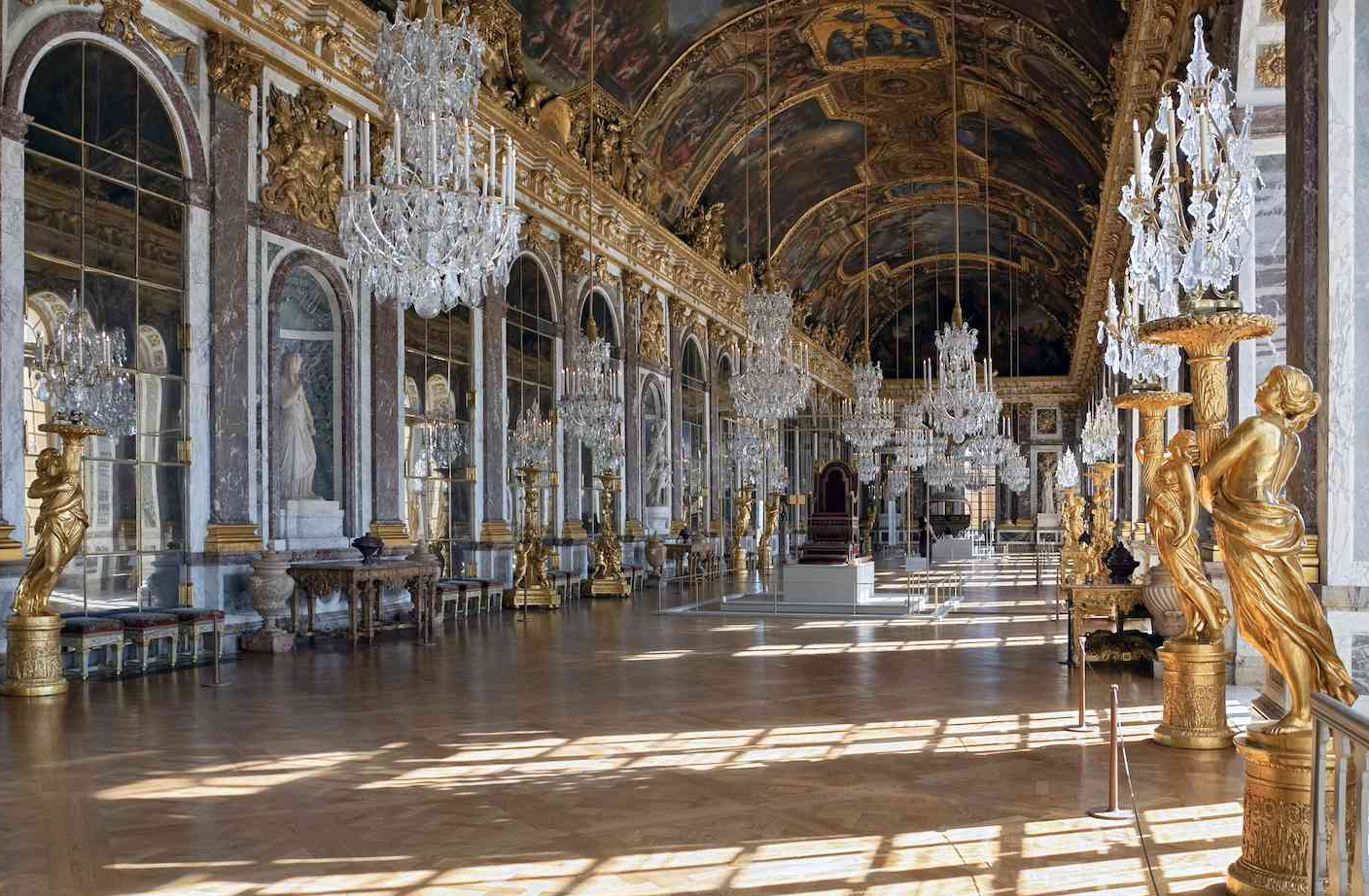
Baroque principles extended beyond painting and sculpture into architecture. Buildings were designed to inspire awe through grand scale, curved forms, and elaborate decoration. Interiors often combined sculpture, painting, and architecture into a single unified experience. Movement was suggested through sweeping staircases, domes, and layered spaces that guided visitors through carefully choreographed visual journeys.
Art as Experience and Influence
Baroque art was not meant to be observed passively. It was designed to persuade, inspire, and overwhelm the senses. Whether used in religious, political, or cultural contexts, its goal was impact. This emphasis on experience influenced later artistic movements and continues to shape modern visual storytelling in film, theater, and design.
Conclusion
The Baroque period redefined art by infusing it with motion, emotion, and theatrical power. Its artists transformed still forms into vivid experiences that continue to captivate audiences. Baroque art remains a powerful reminder that creativity can move both the eye and the soul.