

Introduction
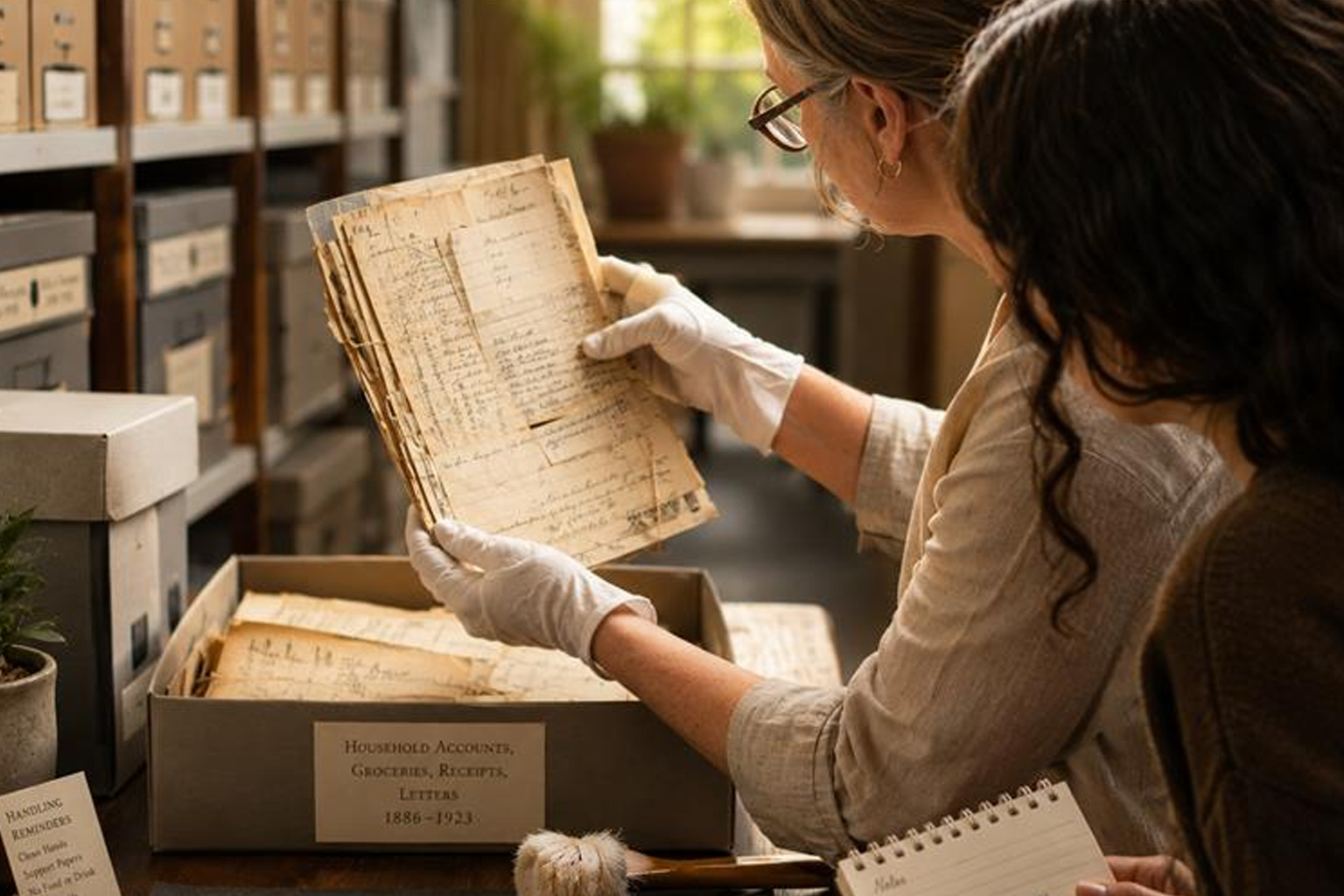
He built a career on fragments: receipts, household lists, faded letters and municipal scraps that most researchers ignored. By foregrounding these small sources he shifted attention from leaders and events to everyday practices and social networks. His work opened new questions about family, labor, consumption and local governance that larger narratives had obscured. The result was a richer, more grounded history that connected documents to lived experience.
Early Life and Formation
Raised where trades and seasonal movements shaped daily routines, he learned early to read patterns in routine records. Apprenticeship in local record rooms taught conservation, cataloging and the patience needed for fragmentary sources. Academic study supplied theoretical tools, but fieldwork among community collections kept his focus practical and people-centered. These combined influences shaped a scholar who valued context as much as content.
Those formative years left him convinced that ordinary documents could revise big assumptions about social life. He chose research projects that let marginalized voices surface through administrative traces.
Method and Approach
His method paired systematic quantification with close reading so that trends could be detected without erasing nuance. He insisted on clear notes about provenance and condition, creating transparent pathways for later researchers to evaluate evidence. Collaboration with local historians, conservators and craftspeople enriched his interpretations and brought material culture into conversation with texts. He also published frank reflections on silences and biases in sources, encouraging others to do the same.
This balance of rigor and reflexivity influenced how archives are surveyed and taught today. It offered a model for projects that combine scholarly standards with community priorities.
Contributions and Influence
His publications reframed topics such as consumption, kinship and informal economies by showing how everyday acts accumulate into broader change. Museums and local centers adopted his display techniques to make small records legible and meaningful to public audiences. Students trained under him carried the approach into digital projects, oral histories and participatory exhibitions. His insistence on ethical engagement with source communities set a new tone for responsible practice.
- Revived interest in household inventories as primary evidence.
- Introduced simple cataloging standards for community collections.
- Promoted exhibitions that linked documents to descendant narratives.
These tangible outcomes extend his influence beyond academic citations into civic memory. They demonstrate how methodology can shape what societies remember.
Challenges and Recognition
He often encountered skepticism from scholars who prioritized political narratives and monumental sources. Limited funding and shifting institutional priorities made sustaining community archives difficult. Nevertheless, selective grants and collaborative partnerships acknowledged the value of his persistent, detail-oriented work.
Recognition grew as practitioners proved that local studies illuminate larger historical dynamics. He used visibility to advocate for training and preservation at grassroots levels.
Conclusion
His career shows that attention to small things can change historical imagination at scale. Future researchers can adapt his methods to new technologies while retaining ethical engagement with source communities. Remembering his model encourages historians to listen closely to the traces ordinary people leave behind.