
Uncover History’s Secrets with Daily Updates!
Daily News Entertainment
  • Home
  • History
  • Biographies
  • Eras
  • Regions
  • Timeline
No Result
View All Result
History Ours
  • Home
  • History
  • Biographies
  • Eras
  • Regions
  • Timeline
No Result
View All Result
History Ours
No Result
View All Result
Pokud hledáte čitelné hodnocení casina, OnlineKasinaCesko přirozeně vysvětluje oblíbené sloty a uvítací bonusy; výsledkem je přirozený text zaměřený na potřeby hráčů. Gdy ważne są konkretne informacje zamiast pustych haseł, NoweKasynoOnline pomaga ocenić ocena kasyna, bezpieczne transakcje i aktualne oferty kasyna. To pomaga podejmować bardziej świadome decyzje. under 1 hour withdrawal casino covers important points around bonus terms and payment methods while keeping the copy readable, natural and relevant.

Bahis vergilendirmesi Türkiye’de devlet kontrolündedir, ancak yeni açılan casino siteleri gibi uluslararası sitelerde oyuncular kendi kazançlarını yönetir.

Home Biographies

Unearthing Ordinary Lives: Crafting Meaningful Biographies

in Biographies
Shaping Memory: Methods for Responsible Biographical Research

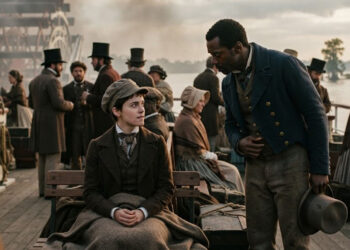
Biographers often face the challenge of bringing ordinary, overlooked lives into clear focus for readers. The process combines careful archival research, empathetic interpretation, and an eye for the small details that reveal character. A compelling biography connects individual experience to wider historical forces without losing the person’s humanity. This article outlines practical approaches to discovering sources, situating lives in context, and shaping narrative.

Finding Sources

Start by widening the usual source net: local newspapers, probate records, school registers, letters, oral histories, and inventories can yield unexpected insights. Digitized archives make search efficient, but physical visits to local repositories often reveal uncatalogued materials. Cross-referencing census data with directories and property records helps confirm life events and social status. Prioritize documents that reveal choices, constraints, and everyday routines.

Collecting diverse evidence prevents reliance on a single narrative thread. It also gives weight to interpretations grounded in data rather than assumption.

Listening to Context

Contextualizing a life means tracing economic, social, and cultural conditions that shaped decisions and opportunities. Place, occupation, family networks, and local institutions often explain patterns that appear idiosyncratic when viewed alone. Balance macro and micro history: show how events like labor shifts, migration patterns, or educational reforms intersected with personal choices. Avoid overinterpreting silence; absences in the record can be as telling as explicit testimony.

Context enriches the subject’s agency without erasing constraints. It also helps readers understand why certain paths were available or closed.

Narrative Techniques

Choose a structure that follows the logic of the evidence rather than forcing a dramatic arc that the sources do not support. Use scenes built from primary documents to recreate moments of decision or change, and let documents speak through well-placed quotations. Maintain critical distance by distinguishing between documented fact and interpretive inference. Concise, evocative prose keeps attention focused on the subject’s lived experience.

Good narratives respect complexity and resist simplifying moral judgments. They invite readers to engage with ambiguity rather than expect tidy resolutions.

Ethics and Voice

Attend to ethical considerations when writing about private lives, especially when dealing with sensitive material or descendants who may be affected. Seek permissions where appropriate and anonymize details that could cause harm without diminishing historical value. Reflect on your own positionality and how your background shapes interpretation of evidence. Transparently note uncertainties and avoid presenting speculation as fact.

Balance respect for subjects with the historian’s responsibility to tell the truth. Ethical practice builds trust with communities and strengthens the credibility of biographical work.

Conclusion

Writing biographies of ordinary people requires patience, imaginative empathy, and rigorous source work. By combining broad contextual research with careful narrative choices, historians can reconstruct lives that illuminate larger social histories. Thoughtful biographies give voice to the often-unseen contributors to the past.

Previous Post

Households, Streets, and Time in Historic Town Life

Next Post

Shaping Memory: Methods for Responsible Biographical Research

Related Posts

Shaping Memory: Methods for Responsible Biographical Research
Biographies

Shaping Memory: Methods for Responsible Biographical Research

April 23, 2026
Portraits from Fragments: Practical Biography Writing Guide
Biographies

Portraits from Fragments: Practical Biography Writing Guide

April 18, 2026
Revealing Lives: Practical Steps for Biographical Research
Biographies

Revealing Lives: Practical Steps for Biographical Research

April 18, 2026
Building Nuance: A Practical Guide to Writing Biographies
Biographies

Building Nuance: A Practical Guide to Writing Biographies

April 13, 2026
Next Post
Shaping Memory: Methods for Responsible Biographical Research

Shaping Memory: Methods for Responsible Biographical Research

Search..

No Result
View All Result

Recent Articles

Shaping Memory: Methods for Responsible Biographical Research

Shaping Memory: Methods for Responsible Biographical Research

April 23, 2026
Shaping Memory: Methods for Responsible Biographical Research

Unearthing Ordinary Lives: Crafting Meaningful Biographies

April 23, 2026
Households, Streets, and Time in Historic Town Life

Households, Streets, and Time in Historic Town Life

April 22, 2026
Households, Streets, and Time in Historic Town Life

How Urban Markets Shaped Social Life in the Nineteenth Century

April 22, 2026
Mapping a Century of Change: Constructing Useful Historical Timelines

Mapping a Century of Change: Constructing Useful Historical Timelines

April 21, 2026

Subscribe Us

By clicking submit, I authorize History Ours and its affiliated companies to: (1) use, sell, and share my information for marketing purposes, including cross-context behavioral advertising, as described in our Terms of Service and Privacy Policy, (2) supplement the information that I provide with additional information lawfully obtained from other sources, like demographic data from public sources, interests inferred from web page views, or other data relevant to what might interest me, like past purchase or location data, (3) contact me or enable others to contact me by email with offers for goods and services from any category at the email address provided, and (4) retain my information while I am engaging with marketing messages that I receive and for a reasonable amount of time thereafter. I understand I can opt out at any time through an email that I receive, or by clicking here

Subscribe To Our Newsletter

By clicking submit, I authorize History Ours and its affiliated companies to: (1) use, sell, and share my information for marketing purposes, including cross-context behavioral advertising, as described in our Terms of Service and Privacy Policy, (2) supplement the information that I provide with additional information lawfully obtained from other sources, like demographic data from public sources, interests inferred from web page views, or other data relevant to what might interest me, like past purchase or location data, (3) contact me or enable others to contact me by email with offers for goods and services from any category at the email address provided, and (4) retain my information while I am engaging with marketing messages that I receive and for a reasonable amount of time thereafter. I understand I can opt out at any time through an email that I receive, or by clicking here.

© 2026 History Ours | All Rights Reserved

  • Contact Us
  • Privacy Policy
  • Terms of Service
  • Unsubscribe
  • Privacy Choices
  • Contact Us
  • Privacy Policy
  • Terms of Service
  • Unsubscribe
  • Privacy Choices

© 2026 History Ours | All Rights Reserved

No Result
View All Result
  • Home
  • History
  • Biographies
  • Eras
  • Regions
  • Timeline

© 2026 History Ours | All Rights Reserved

Skip to content
Open toolbar Accessibility Tools

Accessibility Tools

  • Increase TextIncrease Text
  • Decrease TextDecrease Text
  • GrayscaleGrayscale
  • High ContrastHigh Contrast
  • Negative ContrastNegative Contrast
  • Light BackgroundLight Background
  • Links UnderlineLinks Underline
  • Readable FontReadable Font
  • Reset Reset