Uncover History’s Secrets with Daily Updates!
Daily News Entertainment
  • Home
  • History
  • Biographies
  • Eras
  • Regions
  • Timeline
No Result
View All Result
History Ours
  • Home
  • History
  • Biographies
  • Eras
  • Regions
  • Timeline
No Result
View All Result
History Ours
No Result
View All Result
Home Eras

Material Culture and Social Order in Historical Eras

in Eras
The Life and Craft of Isabella Bird, Traveler and Writer

A material and institutional lens helps explain how eras take shape.
Everyday objects, built environments, and organized practices create rhythms that distinguish one period from another.
Seeing history through what people used and how they coordinated their lives exposes patterns beyond political events.
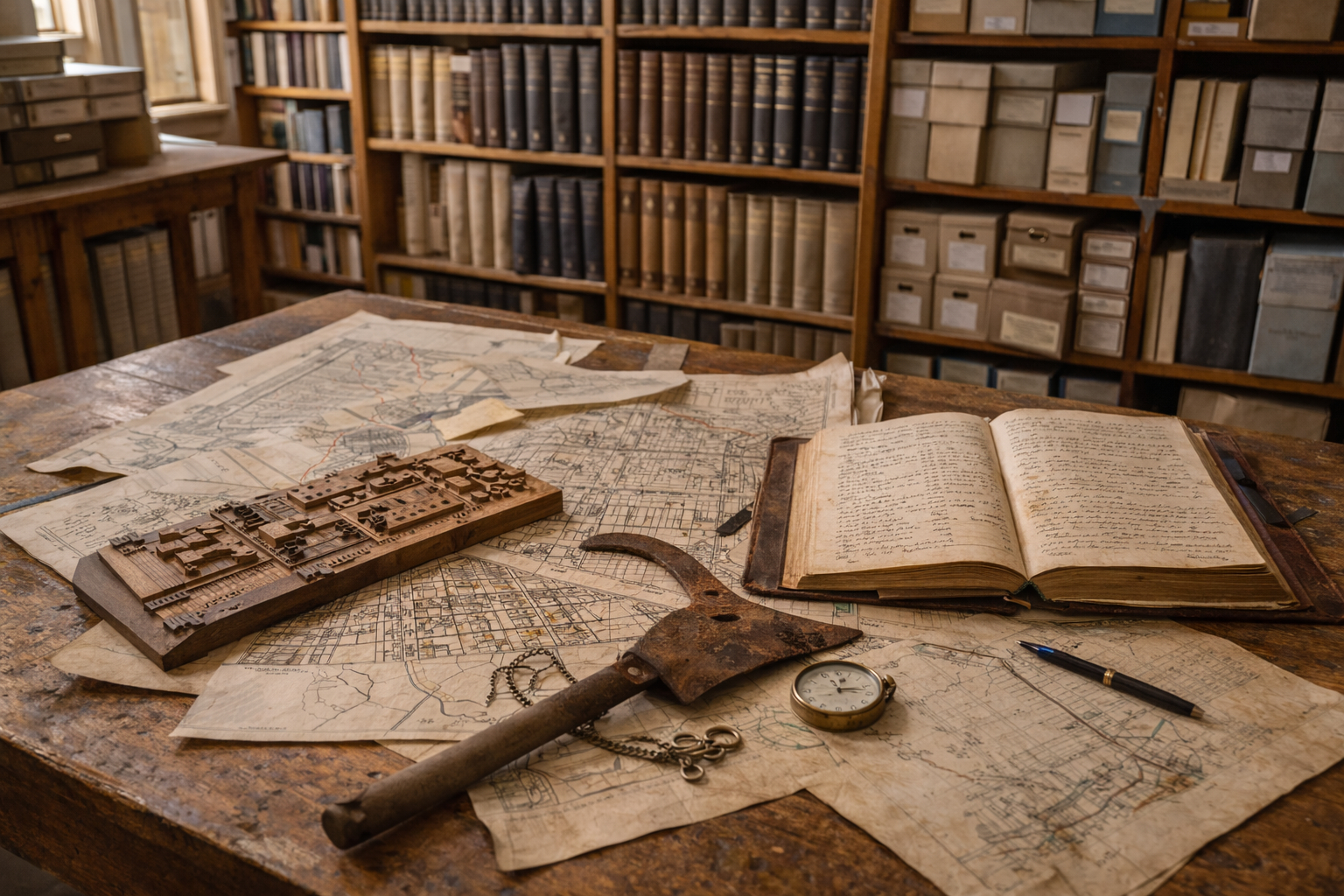
This article examines the ways material culture and social order jointly structure experience across successive historical eras.

Material culture: objects, spaces, and everyday practice
Material culture frames daily life by embedding values and capabilities in objects and spaces. Houses, tools, clothing, and marketplaces prescribe routines and constrain what is possible, so shifts in technology or design often produce broader social change. Archaeologists and historians read these artifacts as evidence of labor organization, gender roles, and economic relations. The material record shows both continuity and innovation as people adapt old forms to new needs.

The tangible environment thus acts as a form of social memory. Objects can resist or accelerate transformation depending on access, cost, and symbolic power.

Institutions and the ordering of life
Institutions — schools, religious bodies, marketplaces, legal systems — create predictable patterns for interaction and transmission. Their rules and practices stabilize expectations, making large-scale coordination feasible even when populations grow or move. Institutional change frequently lags behind technological shifts, producing tensions as new tools outpace regulatory or cultural frameworks. Examining institutional archives and routines clarifies how authority and everyday governance evolve.

Institutional networks also channel resources and opportunities unevenly, shaping who benefits from change. That unevenness is often central to how one era gives way to another.

Mobility, work, and the built environment
Migration, transportation, and workplace organization are where material and institutional factors intersect visibly. Roads, ports, and later railway lines not only move goods but reorganize labor markets and family life. Workplace layouts and time regimes influence social rhythms, while housing patterns reflect class and occupational divisions. These dynamics show how infrastructure and work practices together produce the felt character of an era.

Changes in mobility and employment therefore reshape communities as much as they reshape economies. Patterns of settlement and commute reveal deeper shifts in social priorities.

Cultural transmission and persistence
Objects and institutions also carry meaning across generations through education, ritual, and everyday repetition. Schools teach skills and values, rituals naturalize social order, and heirlooms materialize continuity. Even amid rapid innovation, cultural transmission preserves habits that slow or redirect change. Studying these mechanisms clarifies why some transformations take hold quickly while others remain marginal.

Transmission mechanisms help explain the uneven pace of change within and between societies. They remind us that eras are experienced, contested, and negotiated in ordinary settings.

Conclusion
Material artifacts and institutional arrangements together shape how people experience historical eras.
Their interaction explains both rapid transformations and stubborn continuities over time.
Attention to objects, spaces, and governance offers a grounded way to interpret past change.


Previous Post

Patterns of Change Across Historical Eras and Societies

Next Post

Regional Memory and the Making of Historical Landscapes

Related Posts

Pax Mongolica: How Mongol Rule Rewired the Old World
Eras

Pax Mongolica: How Mongol Rule Rewired the Old World

September 15, 2026
Life Under the Tokugawa: How Edo Japan Rewrote Social Order
Eras

Life Under the Tokugawa: How Edo Japan Rewrote Social Order

September 15, 2026
When Empires Fell: The Late Bronze Age Collapse
Eras

When Empires Fell: The Late Bronze Age Collapse

September 15, 2026
1816: How a Volcano Turned Summer Into Crisis
Eras

1816: How a Volcano Turned Summer Into Crisis

September 15, 2026
Next Post
Regional Memory and the Making of Historical Landscapes

Regional Memory and the Making of Historical Landscapes

Search..

No Result
View All Result

Recent Articles

The Disguise That Broke Chains: Ellen and William Craft

The Disguise That Broke Chains: Ellen and William Craft

September 15, 2026
Bass Reeves: The Marshal Who Hunted Outlaws in Indian Territory

Bass Reeves: The Marshal Who Hunted Outlaws in Indian Territory

September 15, 2026
How the Crystal Palace Turned Glass and Iron into a Modern Stage

How the Crystal Palace Turned Glass and Iron into a Modern Stage

September 15, 2026
Anne Bonny: The Pirate Who Broke Rules and Expectations

Anne Bonny: The Pirate Who Broke Rules and Expectations

September 15, 2026
How Haiti Broke Its Chains: A 1791–1804 Timeline

How Haiti Broke Its Chains: A 1791–1804 Timeline

September 15, 2026

Subscribe Us

By clicking submit, I authorize History Ours and its affiliated companies to: (1) use, sell, and share my information for marketing purposes, including cross-context behavioral advertising, as described in our Terms of Service and Privacy Policy, (2) supplement the information that I provide with additional information lawfully obtained from other sources, like demographic data from public sources, interests inferred from web page views, or other data relevant to what might interest me, like past purchase or location data, (3) contact me or enable others to contact me by email with offers for goods and services from any category at the email address provided, and (4) retain my information while I am engaging with marketing messages that I receive and for a reasonable amount of time thereafter. I understand I can opt out at any time through an email that I receive, or by clicking here

Subscribe To Our Newsletter

By clicking submit, I authorize History Ours and its affiliated companies to: (1) use, sell, and share my information for marketing purposes, including cross-context behavioral advertising, as described in our Terms of Service and Privacy Policy, (2) supplement the information that I provide with additional information lawfully obtained from other sources, like demographic data from public sources, interests inferred from web page views, or other data relevant to what might interest me, like past purchase or location data, (3) contact me or enable others to contact me by email with offers for goods and services from any category at the email address provided, and (4) retain my information while I am engaging with marketing messages that I receive and for a reasonable amount of time thereafter. I understand I can opt out at any time through an email that I receive, or by clicking here.

© 2026 History Ours | All Rights Reserved

  • Contact Us
  • Privacy Policy
  • Terms of Service
  • Unsubscribe
  • Privacy Choices
  • Contact Us
  • Privacy Policy
  • Terms of Service
  • Unsubscribe
  • Privacy Choices

© 2026 History Ours | All Rights Reserved

No Result
View All Result
  • Home
  • History
  • Biographies
  • Eras
  • Regions
  • Timeline

© 2026 History Ours | All Rights Reserved

Skip to content
Open toolbar Accessibility Tools

Accessibility Tools

  • Increase TextIncrease Text
  • Decrease TextDecrease Text
  • GrayscaleGrayscale
  • High ContrastHigh Contrast
  • Negative ContrastNegative Contrast
  • Light BackgroundLight Background
  • Links UnderlineLinks Underline
  • Readable FontReadable Font
  • Reset Reset