

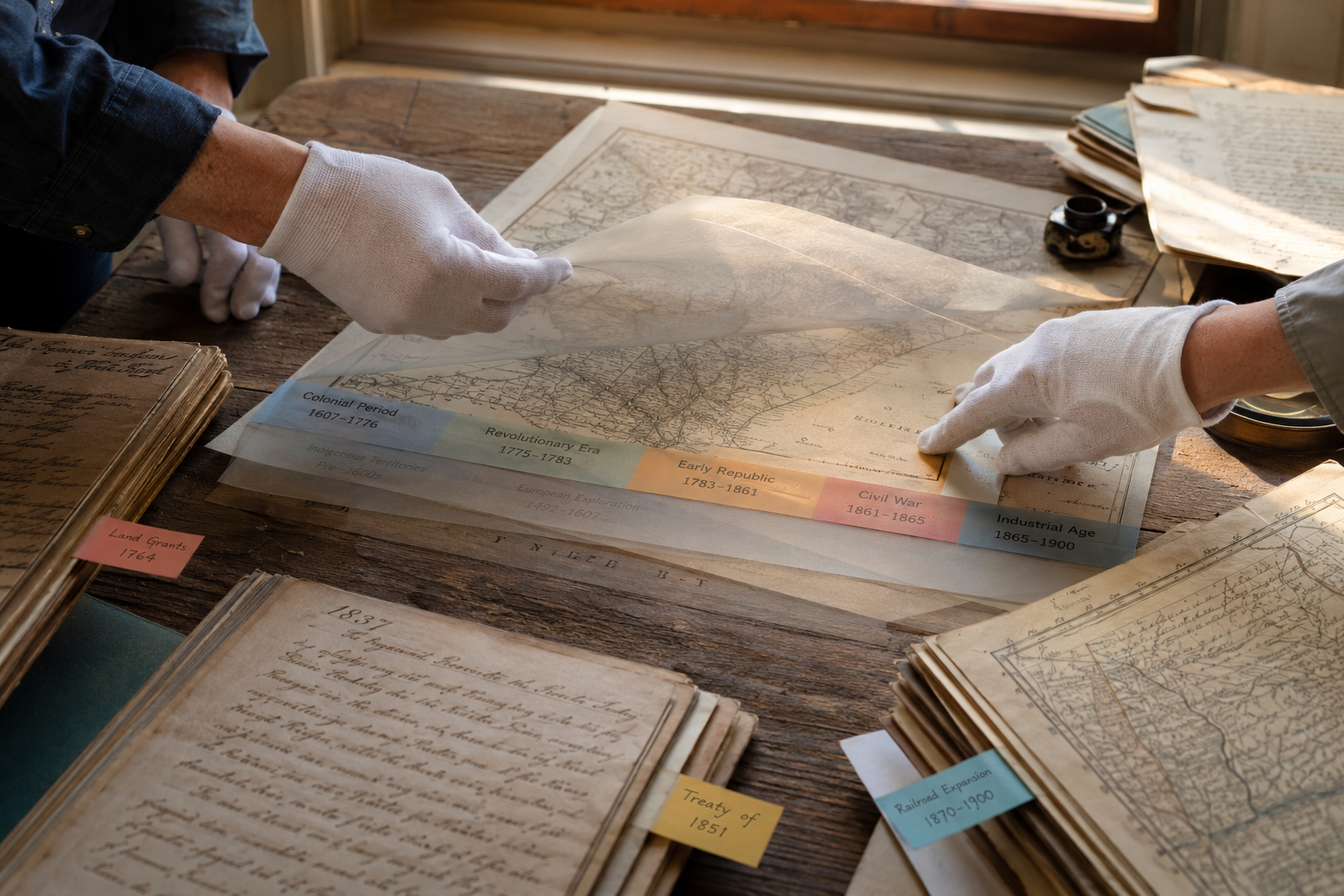
Defining eras is central to how historians present patterns over time. Periods give shape to narratives and highlight connections between events. Clear criteria help avoid arbitrary divisions that obscure continuity or exaggerate rupture. This article outlines practical approaches to choosing and explaining useful eras.
Why Eras Matter
Eras function as analytical tools that simplify complex pasts into manageable frameworks. They help readers grasp long-term trends by grouping related developments, institutions, and mentalities. Good eras illuminate causal relationships rather than merely imposing convenient labels. By foregrounding what changes and what persists, periodization guides interpretation and public understanding.
When eras are explicit about their scope, they become transparent instruments of argument. Scholars should state the criteria behind a period boundary and the evidence supporting it. That clarity invites debate and refinement rather than passive acceptance.
Choosing Boundaries
Selecting start and end points requires balancing multiple factors: social, economic, political, and cultural signals often diverge. A turning point might be a technological innovation, a political revolution, or a sustained shift in social practices. Consider scale as well: local, regional, and global rhythms can produce different natural boundaries. Periods gain credibility when their defining changes persist across several domains.
Practical criteria include measurable shifts, contemporaneous recognition of change, and explanatory power. These tests reduce arbitrariness while keeping eras useful for argument and teaching.
Handling Overlap and Scale
Historical time is layered; eras frequently overlap and interact rather than replace one another cleanly. For example, economic transformations may span multiple cultural phases, and political regimes can coexist with longer social cycles. A flexible approach recognizes nested periods and allows multiple, intersecting frameworks. That prevents forcing disparate phenomena into a single timeline that misrepresents complexity.
- Use nested frameworks to show local versus long-term trends.
- Label overlapping eras clearly to indicate different causal logics.
Communicating overlap helps audiences understand why different historians might use different periodizations. It also demonstrates that boundaries are interpretive tools, not fixed truths.
Conclusion
Thoughtful periodization makes history accessible without oversimplifying it.
Good eras explain causal patterns and acknowledge complexity.
Transparent criteria and layered frameworks improve both scholarship and public narratives.