
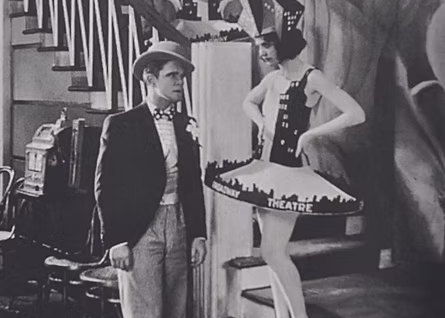
The Roaring Twenties burst onto the world stage as a decade of exuberance, innovation, and social transformation. After the hardships of war, people embraced life with renewed energy, seeking pleasure, progress, and personal freedom. Cities pulsed with music and nightlife, while new ideas reshaped fashion, culture, and identity. It was an era defined by contrasts—celebration alongside uncertainty, glamour alongside upheaval. The spirit of the 1920s captured a moment when society dared to reinvent itself.
Jazz and the Sound of a New Generation
Jazz became the heartbeat of the decade, symbolizing freedom and modernity. Its improvisational style broke from tradition, mirroring a broader rejection of old social rules. Jazz clubs and dance halls became cultural hubs where music brought together diverse audiences. The genre also amplified voices that had long been marginalized, influencing fashion, language, and attitudes. Through jazz, the Roaring Twenties found its rhythm—bold, expressive, and unapologetically new.
Changing Social Norms and Everyday Life
The 1920s marked a shift in how people lived and expressed themselves. Urban life expanded, and consumer culture grew with new products, advertising, and leisure activities. Fashion reflected this change, favoring comfort and individuality over formality. Women, in particular, challenged expectations by embracing greater independence and visibility in public life. These shifts signaled a broader desire for self-expression and autonomy.
Technology, Media, and Modern Identity
Technological advances reshaped daily experience during the Roaring Twenties. Radio brought music, news, and entertainment into homes, creating shared cultural moments. Film and popular media elevated celebrities and trends, spreading ideas faster than ever before. This expanding media landscape helped define a modern identity—one shaped by mass culture, speed, and connection.
Joy Shadowed by Uncertainty
Despite its celebration, the decade carried underlying tensions. Rapid change created anxiety about tradition, morality, and economic stability. While many enjoyed prosperity and freedom, others faced exclusion or struggled to keep pace. These contrasts gave the era its complexity, reminding us that joy and uncertainty often coexist.
Conclusion
The Roaring Twenties remains a symbol of cultural rebirth and bold change. Through jazz, social transformation, and modern innovation, the decade reshaped how people lived and expressed themselves. Its legacy endures as a reminder of how joy and change can redefine an era.