

Latin America’s identity has never been fixed; it has been shaped by centuries of movement, conflict, creativity, and cultural blending. From ancient civilizations to colonial rule and modern nationhood, the region’s sense of self has evolved through constant negotiation between tradition and change. Identity here is not singular but layered—rooted in Indigenous heritage, influenced by colonial legacies, and continually redefined by social and political movements. Understanding this evolution reveals how history, culture, and resilience intertwine. Latin America’s identity is best seen as a living process rather than a finished story.
Indigenous Foundations and Cultural Continuity
Long before European contact, Indigenous civilizations across Latin America developed complex social systems, belief structures, and artistic traditions. These cultures shaped relationships with land, community, and spirituality. Although colonization disrupted many of these societies, Indigenous identities endured through language, ritual, and collective memory. Today, Indigenous heritage remains a vital part of national and regional identity, influencing art, politics, and environmental values.
Colonial Influence and Cultural Blending
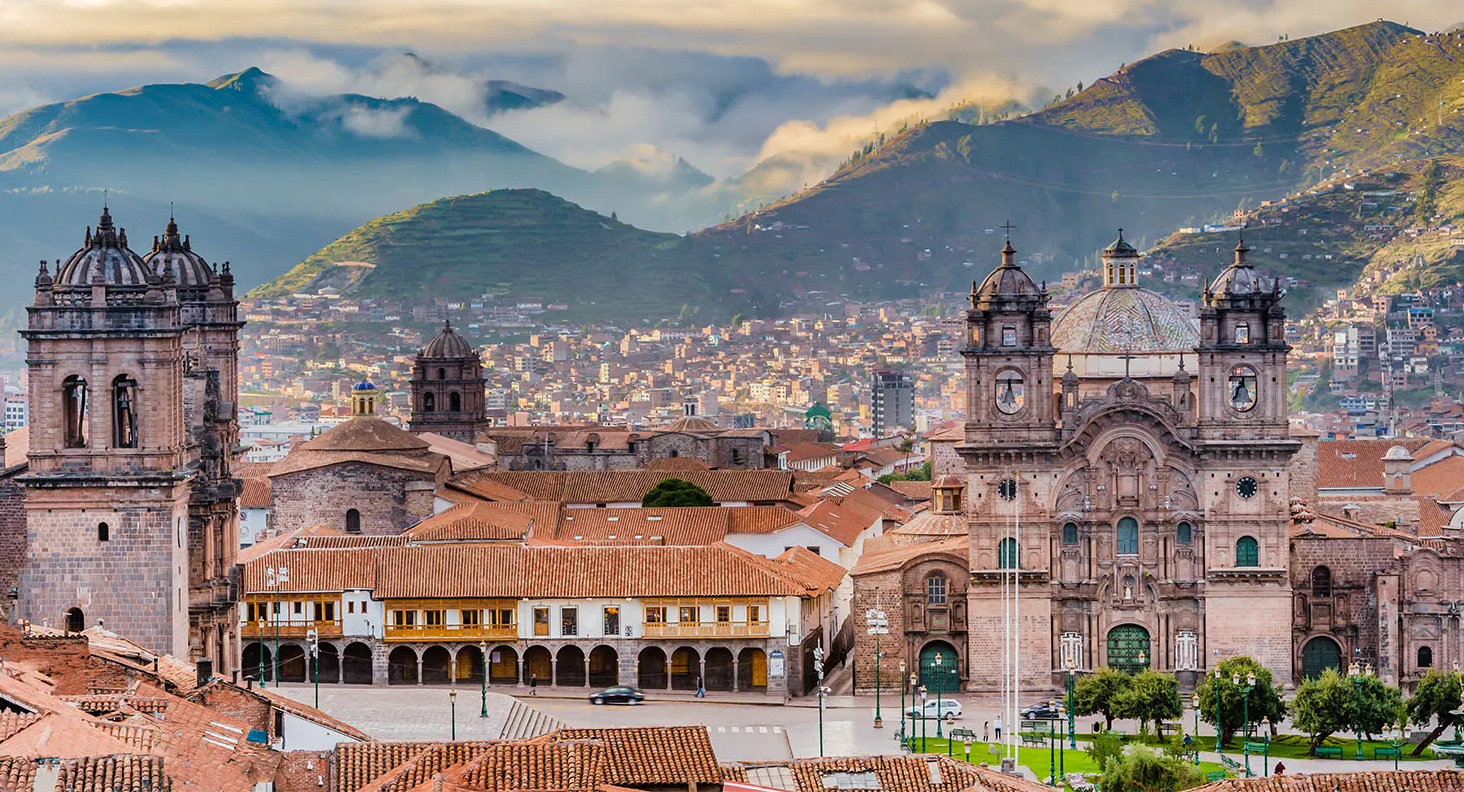
Colonial rule introduced new languages, religions, and power structures that reshaped Latin American societies. European traditions merged with Indigenous and African influences, creating hybrid cultures unique to the region. This blending is visible in music, cuisine, architecture, and social customs. While colonial systems imposed inequality and control, they also produced new cultural expressions that became central to Latin America’s shared identity.
Independence and the Search for Nationhood
The struggles for independence in the nineteenth century marked a turning point in identity formation. Newly formed nations sought to define themselves apart from colonial powers, often emphasizing unity while navigating deep internal diversity. Intellectual movements, literature, and political ideals helped shape national narratives. This period sparked ongoing debates about citizenship, race, and belonging that continue to influence regional identity.
Modern Challenges and Global Influence
In the modern era, migration, globalization, and media have further transformed Latin American identity. Urbanization and cross-border movement have blended local traditions with global influences. At the same time, social movements have pushed for recognition of marginalized voices, reshaping how identity is understood and represented. Latin America today reflects both global connectivity and strong cultural roots.
Identity as Resilience and Expression
Across history, Latin America’s identity has been shaped by resistance and creativity. Art, music, and storytelling continue to serve as tools for expression and self-definition. Rather than erasing the past, contemporary identity weaves together multiple histories into a dynamic whole. This resilience allows cultures to adapt while honoring their origins.
Conclusion
The evolution of Latin America’s identity is a story of blending, struggle, and renewal. Shaped by Indigenous roots, colonial legacies, and modern movements, it remains fluid and deeply expressive. This ongoing evolution reflects a region that continually redefines itself while staying connected to its rich cultural foundations.