
Uncover History’s Secrets with Daily Updates!
Daily News Entertainment
  • Home
  • History
  • Biographies
  • Eras
  • Regions
  • Timeline
No Result
View All Result
History Ours
  • Home
  • History
  • Biographies
  • Eras
  • Regions
  • Timeline
No Result
View All Result
History Ours
No Result
View All Result
Home Eras

When Winters Were Wider: Life During the Little Ice Age

in Eras
When Winters Were Wider: Life During the Little Ice Age

The Little Ice Age refers to a stretch of cooler, often stormier weather that affected much of the North Atlantic world roughly from the 14th century into the mid-19th century. It wasn’t a single freeze so much as a string of colder decades and harsher winters that reshaped everyday life: fields yielded less, rivers iced over, and seasons shifted in ways that people felt in their stomachs and on the town clock.

Food, Work, and Winter Survival

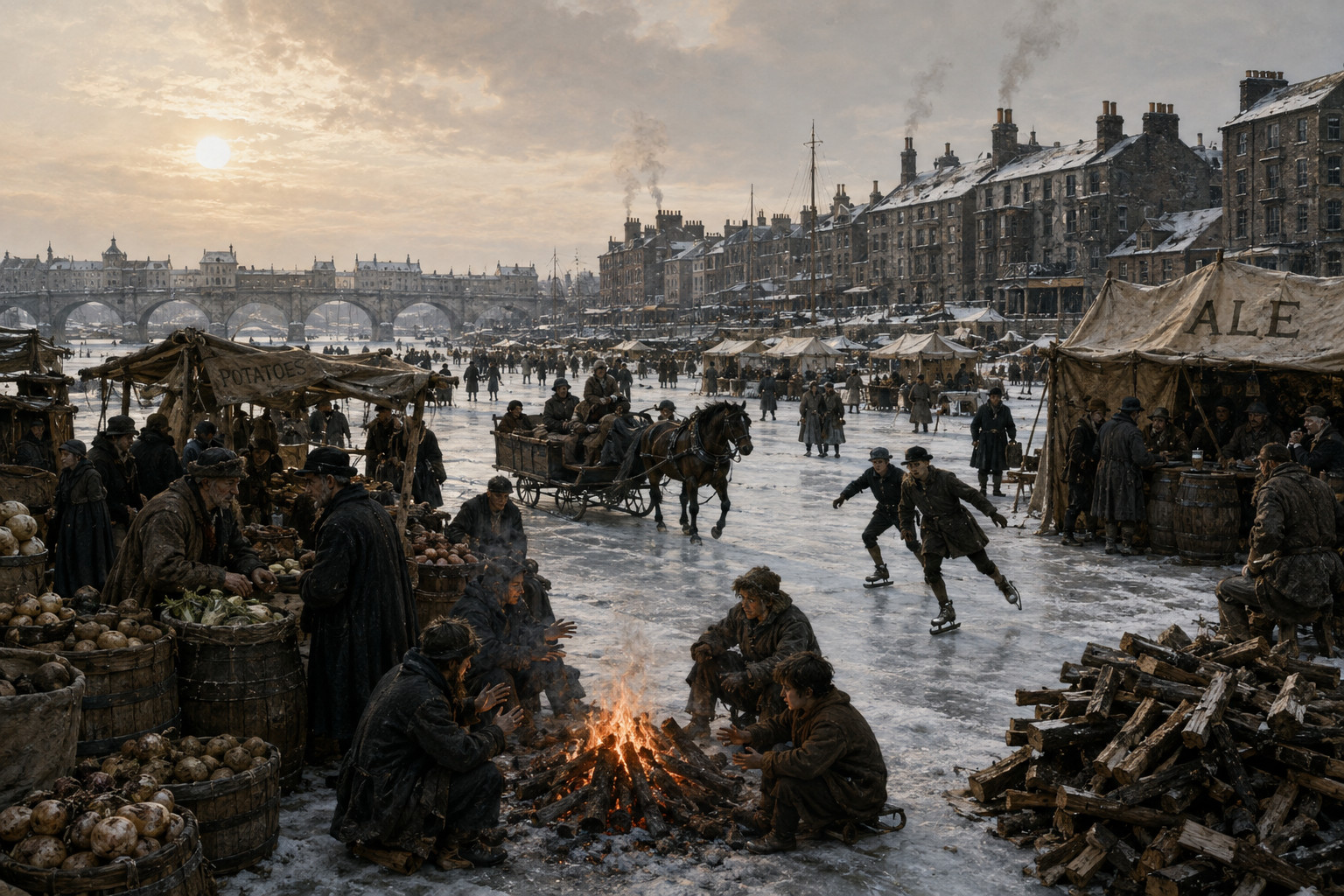
Shorter growing seasons mattered. Harvests failed more frequently, grain prices jumped, and communities that had once relied on marginal land found themselves precarious. In parts of Europe, hardy new crops—most famously the potato—took on outsized importance because they produced calories where wheat struggled. Households adapted in other ways too: thicker clothing, larger fuel stores, and a shift in rooflines and chimneys to keep longer-lasting fires burning through deeper winters.

Hard times invited movement. Some rural families headed for towns where casual labor might be available; others joined waves of migration into regions with more reliable harvests. In the far north, the cooling climate was one factor that made Norse settlements in Greenland harder to sustain, contributing to their eventual disappearance by the 15th century.

Trade, Transport, and Strange Festivals

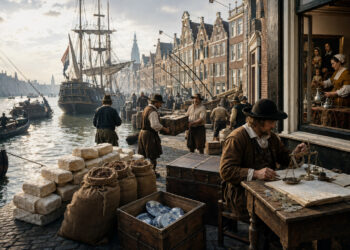
Colder weather changed commerce. Frozen rivers and canals could stop traffic for months, but they also opened surprising possibilities: when the Thames froze solid in winters between the 17th and early 19th centuries, Londoners held frost fairs on its surface, with booths, games and even horse races sketched across the ice. The last of those fairs came in 1814, after changes to London Bridge and river engineering altered the current and reduced icing.

Winegrowers felt the chill too. Vineyards at the northern edge of Europe contracted, and some regions lost vintages that earlier centuries had counted on. Fishing and furs became steadier sources of income in colder zones, while insurers, merchants and cities adjusted to the higher risk of crop failure and storm-related loss.

Culture in a Colder Light

The climate left traces in art and literature. Painters turned their gaze to winter landscapes with new intensity; Pieter Bruegel the Elder’s 1565 painting “Hunters in the Snow” is one famous example of how hard winters entered visual culture. Folktales, songs and local customs often reflect the extra strain of cold—proverbs about hard winters, communal wood-cutting parties, and ritualized food-saving practices became part of survival.

Conclusion

The Little Ice Age was not an exotic anomaly locked in textbooks; it was lived weather. It forced new crops, new jobs, new festivals on the ice, and sometimes new patterns of migration. Looking at its fingerprints—frozen rivers, changing crops, altered economies—reminds us that climate and human life have long been entangled in concrete, surprising ways.
Previous Post

How Ignaz Semmelweis Saved Mothers and Was Ignored

Next Post

How the Dutch Golden Age Remade Everyday Europe

Related Posts

How the Dutch Golden Age Remade Everyday Europe
Eras

How the Dutch Golden Age Remade Everyday Europe

September 2, 2026
Everyday Experience in Medieval Market Towns
Eras

Everyday Experience in Medieval Market Towns

August 28, 2026
Daily Life and Change During the Industrial Era
Eras

Daily Life and Change During the Industrial Era

August 28, 2026
How to Define Useful Periods in Historical Study
Eras

How to Define Useful Periods in Historical Study

August 28, 2026
Next Post
How the Dutch Golden Age Remade Everyday Europe

How the Dutch Golden Age Remade Everyday Europe

Search..

No Result
View All Result

Recent Articles

How the English Fens Were Turned into Farmland and Memory

How the English Fens Were Turned into Farmland and Memory

September 2, 2026
How the Dutch Golden Age Remade Everyday Europe

How the Dutch Golden Age Remade Everyday Europe

September 2, 2026
When Winters Were Wider: Life During the Little Ice Age

When Winters Were Wider: Life During the Little Ice Age

September 2, 2026
How Ignaz Semmelweis Saved Mothers and Was Ignored

How Ignaz Semmelweis Saved Mothers and Was Ignored

August 31, 2026
Mary Anning: The Fossil Hunter Who Upended the Past

Mary Anning: The Fossil Hunter Who Upended the Past

August 31, 2026

Subscribe Us

By clicking submit, I authorize History Ours and its affiliated companies to: (1) use, sell, and share my information for marketing purposes, including cross-context behavioral advertising, as described in our Terms of Service and Privacy Policy, (2) supplement the information that I provide with additional information lawfully obtained from other sources, like demographic data from public sources, interests inferred from web page views, or other data relevant to what might interest me, like past purchase or location data, (3) contact me or enable others to contact me by email with offers for goods and services from any category at the email address provided, and (4) retain my information while I am engaging with marketing messages that I receive and for a reasonable amount of time thereafter. I understand I can opt out at any time through an email that I receive, or by clicking here

Subscribe To Our Newsletter

By clicking submit, I authorize History Ours and its affiliated companies to: (1) use, sell, and share my information for marketing purposes, including cross-context behavioral advertising, as described in our Terms of Service and Privacy Policy, (2) supplement the information that I provide with additional information lawfully obtained from other sources, like demographic data from public sources, interests inferred from web page views, or other data relevant to what might interest me, like past purchase or location data, (3) contact me or enable others to contact me by email with offers for goods and services from any category at the email address provided, and (4) retain my information while I am engaging with marketing messages that I receive and for a reasonable amount of time thereafter. I understand I can opt out at any time through an email that I receive, or by clicking here.

© 2026 History Ours | All Rights Reserved

  • Contact Us
  • Privacy Policy
  • Terms of Service
  • Unsubscribe
  • Privacy Choices
  • Contact Us
  • Privacy Policy
  • Terms of Service
  • Unsubscribe
  • Privacy Choices

© 2026 History Ours | All Rights Reserved

No Result
View All Result
  • Home
  • History
  • Biographies
  • Eras
  • Regions
  • Timeline

© 2026 History Ours | All Rights Reserved

Skip to content
Open toolbar Accessibility Tools

Accessibility Tools

  • Increase TextIncrease Text
  • Decrease TextDecrease Text
  • GrayscaleGrayscale
  • High ContrastHigh Contrast
  • Negative ContrastNegative Contrast
  • Light BackgroundLight Background
  • Links UnderlineLinks Underline
  • Readable FontReadable Font
  • Reset Reset