Uncover History’s Secrets with Daily Updates!
Daily News Entertainment
  • Home
  • History
  • Biographies
  • Eras
  • Regions
  • Timeline
No Result
View All Result
History Ours
  • Home
  • History
  • Biographies
  • Eras
  • Regions
  • Timeline
No Result
View All Result
History Ours
No Result
View All Result
Home History

Hidden Histories: What Daily Items Reveal About Communities

in History
Hidden Histories: What Daily Items Reveal About Communities

Everyday items around us carry traces of choices, relationships, and routines that shaped community life. Objects such as clothing, tools, and signage may seem mundane, but when examined closely they reveal economic ties, social values, and changing tastes. Historians and local researchers increasingly turn to material culture to supplement archives and oral testimony. This article outlines how ordinary artifacts help reconstruct histories of everyday life.

Everyday Objects as Social Evidence

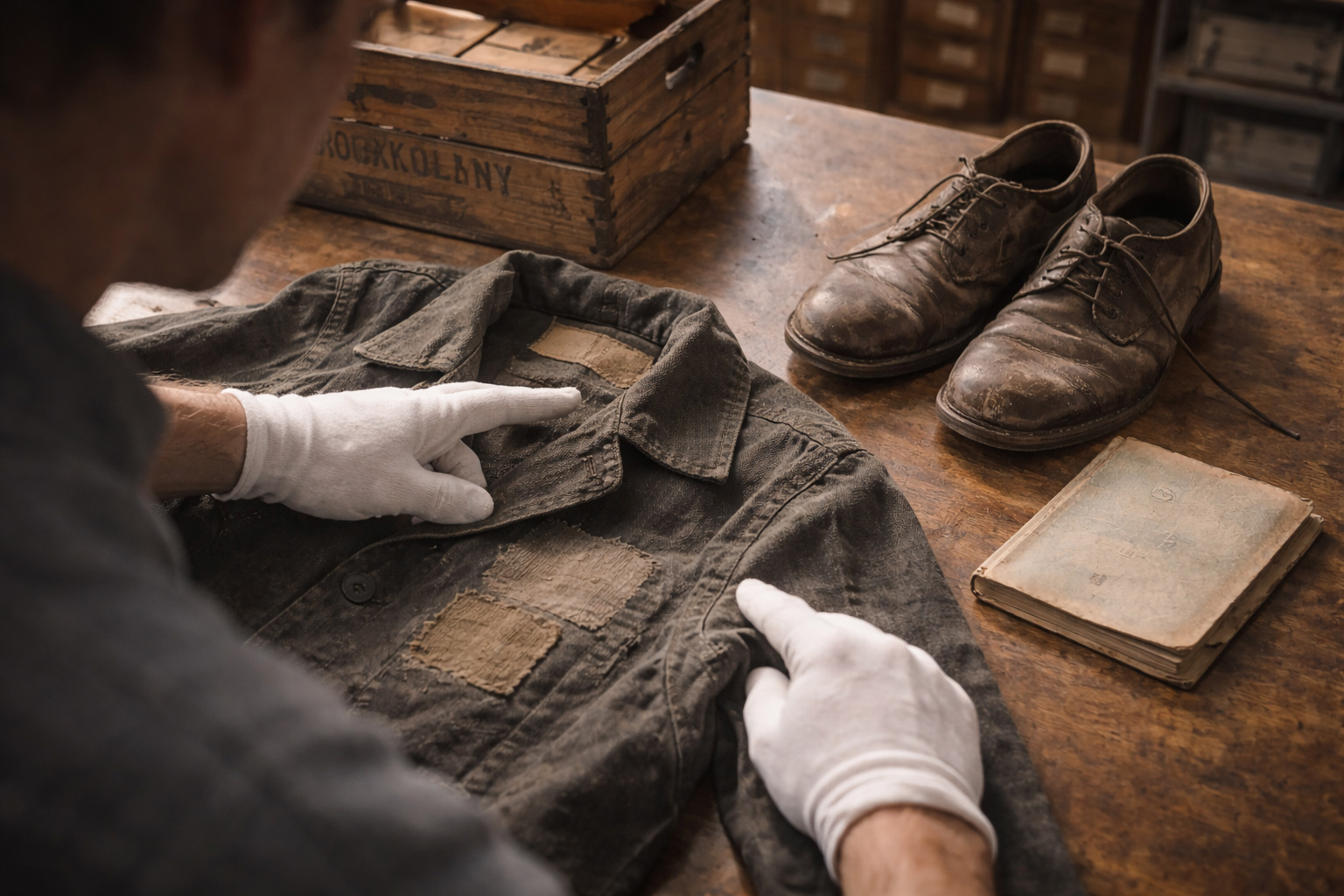
Objects function as evidence because they were produced, used, and discarded within specific social contexts. A repaired jacket or a patched shoe can signal thrift, scarcity, or cultural attitudes toward mending versus replacement, while a shop ledger or a faded poster can indicate commercial networks and seasonal patterns. Even domestic ceramics display class preferences, trade connections, and gendered uses within households. By placing items in relationship to one another, researchers read patterns rather than treating each object as an isolated curiosity.

Interpreting material evidence requires attention to scale and detail. Small marks, repair styles, and wear patterns often speak louder than a single provenance label.

Reading Material Culture: Methods and Questions

Scholars combine close description with broader contextual inquiry to extract meaning from objects. Provenance research traces where an object was made and how it moved; residue analysis or maker marks shed light on production techniques and supply chains. Complementing these technical approaches with interviews, photographs, and contemporary writings helps situate objects within lived experience. Asking targeted questions about who used an item, how it was maintained, and when it changed form generates a richer narrative than a catalog entry alone.

Methodical cross-referencing turns artifacts into sources that can confirm, complicate, or challenge textual records. Applied together, these tools open up nuanced stories of daily life.

Case Studies from Communal Spaces

Market stalls, schoolrooms, and public transit hubs are particularly fertile sites for recovering community histories. A market crate stamped with a town name can chart distribution routes and local economies, while school exercise books reveal curricula, handwriting styles, and childhood concerns across generations. Public graffiti or chalked messages capture fleeting political sentiments and neighborhood identity in ways that formal documents rarely record. Even discarded packaging and ticket stubs can map consumption habits and recreational patterns over time.

These micro-histories build toward an understanding of how ordinary people experienced change. When aggregated, local artifacts illuminate broader social transformations that might otherwise remain invisible.

Conclusion

Daily items are durable witnesses to the rhythms of community life and the decisions people made under varied conditions. Careful, context-aware study of material culture complements written records and enriches historical narratives. Paying attention to the ordinary reveals layered histories that matter to researchers and the communities they study.

Previous Post

From Spoon to Streetlamp: How Objects Map Everyday Life

Next Post

A Portrait of a Grassroots Archivist’s Quiet Influence

Related Posts

How the Crystal Palace Turned Glass and Iron into a Modern Stage
History

How the Crystal Palace Turned Glass and Iron into a Modern Stage

September 15, 2026
Anne Bonny: The Pirate Who Broke Rules and Expectations
History

Anne Bonny: The Pirate Who Broke Rules and Expectations

September 15, 2026
Mary Anning and the Coast That Revealed Lost Worlds
History

Mary Anning and the Coast That Revealed Lost Worlds

September 15, 2026
When Mount Pelée Erased Saint-Pierre, 1902
History

When Mount Pelée Erased Saint-Pierre, 1902

September 15, 2026
Next Post
A Portrait of a Grassroots Archivist’s Quiet Influence

A Portrait of a Grassroots Archivist's Quiet Influence

Search..

No Result
View All Result

Recent Articles

The Disguise That Broke Chains: Ellen and William Craft

The Disguise That Broke Chains: Ellen and William Craft

September 15, 2026
Bass Reeves: The Marshal Who Hunted Outlaws in Indian Territory

Bass Reeves: The Marshal Who Hunted Outlaws in Indian Territory

September 15, 2026
How the Crystal Palace Turned Glass and Iron into a Modern Stage

How the Crystal Palace Turned Glass and Iron into a Modern Stage

September 15, 2026
Anne Bonny: The Pirate Who Broke Rules and Expectations

Anne Bonny: The Pirate Who Broke Rules and Expectations

September 15, 2026
How Haiti Broke Its Chains: A 1791–1804 Timeline

How Haiti Broke Its Chains: A 1791–1804 Timeline

September 15, 2026

Subscribe Us

By clicking submit, I authorize History Ours and its affiliated companies to: (1) use, sell, and share my information for marketing purposes, including cross-context behavioral advertising, as described in our Terms of Service and Privacy Policy, (2) supplement the information that I provide with additional information lawfully obtained from other sources, like demographic data from public sources, interests inferred from web page views, or other data relevant to what might interest me, like past purchase or location data, (3) contact me or enable others to contact me by email with offers for goods and services from any category at the email address provided, and (4) retain my information while I am engaging with marketing messages that I receive and for a reasonable amount of time thereafter. I understand I can opt out at any time through an email that I receive, or by clicking here

Subscribe To Our Newsletter

By clicking submit, I authorize History Ours and its affiliated companies to: (1) use, sell, and share my information for marketing purposes, including cross-context behavioral advertising, as described in our Terms of Service and Privacy Policy, (2) supplement the information that I provide with additional information lawfully obtained from other sources, like demographic data from public sources, interests inferred from web page views, or other data relevant to what might interest me, like past purchase or location data, (3) contact me or enable others to contact me by email with offers for goods and services from any category at the email address provided, and (4) retain my information while I am engaging with marketing messages that I receive and for a reasonable amount of time thereafter. I understand I can opt out at any time through an email that I receive, or by clicking here.

© 2026 History Ours | All Rights Reserved

  • Contact Us
  • Privacy Policy
  • Terms of Service
  • Unsubscribe
  • Privacy Choices
  • Contact Us
  • Privacy Policy
  • Terms of Service
  • Unsubscribe
  • Privacy Choices

© 2026 History Ours | All Rights Reserved

No Result
View All Result
  • Home
  • History
  • Biographies
  • Eras
  • Regions
  • Timeline

© 2026 History Ours | All Rights Reserved

Skip to content
Open toolbar Accessibility Tools

Accessibility Tools

  • Increase TextIncrease Text
  • Decrease TextDecrease Text
  • GrayscaleGrayscale
  • High ContrastHigh Contrast
  • Negative ContrastNegative Contrast
  • Light BackgroundLight Background
  • Links UnderlineLinks Underline
  • Readable FontReadable Font
  • Reset Reset