
Introduction
Public spaces and cultural institutions shape how communities remember their past. Monuments, museums, and rituals translate events into shared narratives that inform identity and civic life. These forms of memory do not simply record facts; they highlight particular values and choices about which stories to elevate. Understanding how these mechanisms operate helps explain why history feels different across neighborhoods and generations. Recognizing these influences allows citizens and historians to engage more thoughtfully with public commemoration.
The Role of Monuments
Monuments are visible assertions of what a society chooses to honor and can become focal points for debate when interpretations change. Their scale and permanence give them symbolic authority, but they also reflect the priorities of the era that erected them. Contested memorials show how memory is negotiated, as communities reassess which figures or events deserve public recognition. Studying monument creation and removal uncovers power dynamics and evolving public values.
Monuments therefore act as conversation starters rather than final statements. They reveal much about civic priorities at particular moments. They prompt conversations about whose histories are celebrated and why.
Museums and Everyday Memory
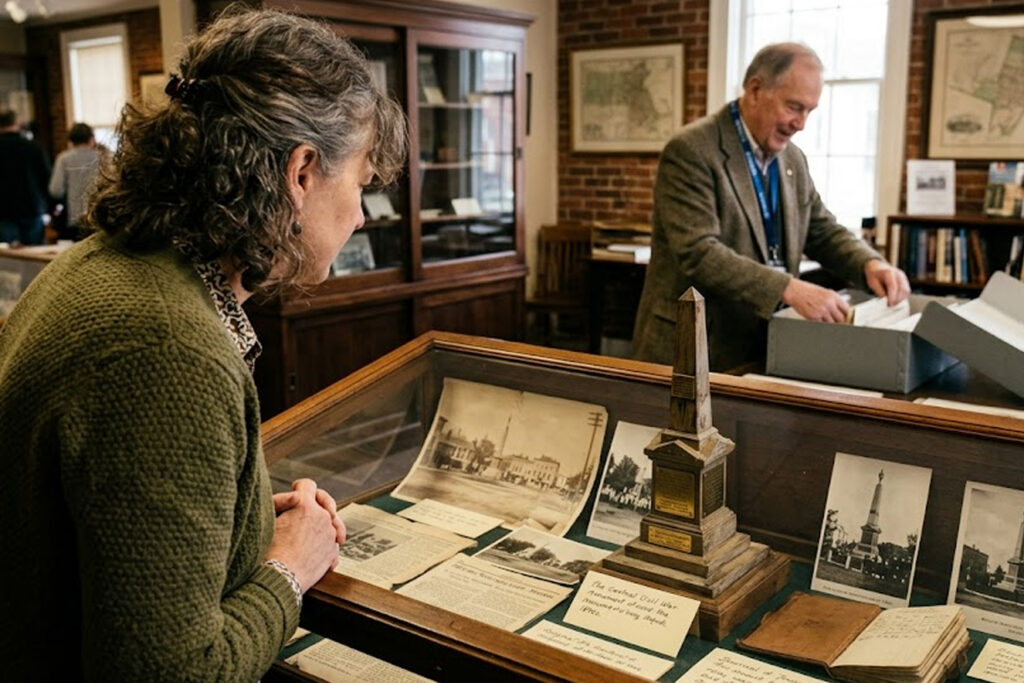
Museums curate objects and narratives to offer context and interpretation, shaping public understanding through selection and display. Exhibition choices, labeling, and educational programs all guide visitor perceptions of significance and causality. Small local museums can preserve oral histories and artifacts that larger institutions overlook, anchoring memory in lived experience. Increasingly, museums engage communities in co-curation to broaden the stories they tell. Digital archives and online exhibitions are also expanding access to otherwise hidden records.
These practices demonstrate that memory can be inclusive when institutions invite multiple voices. Curatorial transparency helps visitors navigate complex or painful histories.
Community Practices and Storytelling
Beyond institutions, everyday practices—anniversaries, festivals, neighborhood tours, and family stories—sustain collective memory. Informal storytelling transmits meanings that formal records may ignore and adapts narratives to contemporary concerns. Rituals of remembrance, such as commemorative events, keep histories present in civic life and create opportunities for reflection and education. These practices also allow communities to assert belonging and to contest official narratives. Over time these small acts accumulate into a distinctive local memory fabric.
- Annual commemorations and parades
- Community-led oral history projects
- Walking tours and local archives
Grassroots memory work ensures marginalized experiences remain visible and accessible. Such practices complement institutional efforts and empower communities to steward their own pasts.
Conclusion
Public memory is an active process shaped by institutions, physical symbols, and everyday practices. Recognizing the choices behind commemoration encourages critical engagement with historical narratives. By combining inclusive curation and community storytelling, societies can foster richer, more accurate understandings of the past.