
Uncover History’s Secrets with Daily Updates!
Daily News Entertainment
  • Home
  • History
  • Biographies
  • Eras
  • Regions
  • Timeline
No Result
View All Result
History Ours
  • Home
  • History
  • Biographies
  • Eras
  • Regions
  • Timeline
No Result
View All Result
History Ours
No Result
View All Result
Home History

Monuments, Museums, and the Making of Local Memory

in History
Monuments, Museums, and the Making of Local Memory

Introduction

Public spaces and cultural institutions shape how communities remember their past. Monuments, museums, and rituals translate events into shared narratives that inform identity and civic life. These forms of memory do not simply record facts; they highlight particular values and choices about which stories to elevate. Understanding how these mechanisms operate helps explain why history feels different across neighborhoods and generations. Recognizing these influences allows citizens and historians to engage more thoughtfully with public commemoration.

The Role of Monuments

Monuments are visible assertions of what a society chooses to honor and can become focal points for debate when interpretations change. Their scale and permanence give them symbolic authority, but they also reflect the priorities of the era that erected them. Contested memorials show how memory is negotiated, as communities reassess which figures or events deserve public recognition. Studying monument creation and removal uncovers power dynamics and evolving public values.

Monuments therefore act as conversation starters rather than final statements. They reveal much about civic priorities at particular moments. They prompt conversations about whose histories are celebrated and why.

Museums and Everyday Memory

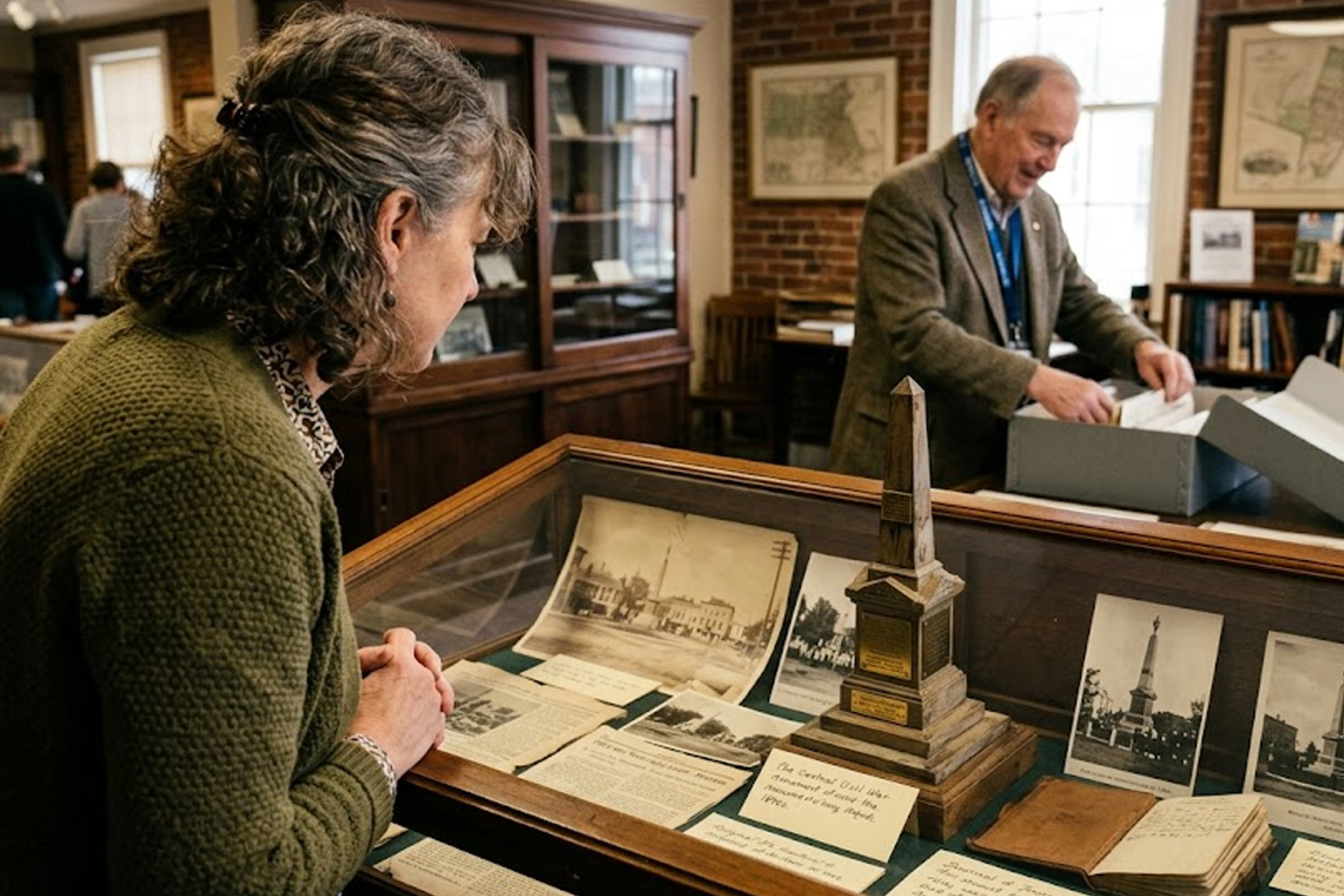
Museums curate objects and narratives to offer context and interpretation, shaping public understanding through selection and display. Exhibition choices, labeling, and educational programs all guide visitor perceptions of significance and causality. Small local museums can preserve oral histories and artifacts that larger institutions overlook, anchoring memory in lived experience. Increasingly, museums engage communities in co-curation to broaden the stories they tell. Digital archives and online exhibitions are also expanding access to otherwise hidden records.

These practices demonstrate that memory can be inclusive when institutions invite multiple voices. Curatorial transparency helps visitors navigate complex or painful histories.

Community Practices and Storytelling

Beyond institutions, everyday practices—anniversaries, festivals, neighborhood tours, and family stories—sustain collective memory. Informal storytelling transmits meanings that formal records may ignore and adapts narratives to contemporary concerns. Rituals of remembrance, such as commemorative events, keep histories present in civic life and create opportunities for reflection and education. These practices also allow communities to assert belonging and to contest official narratives. Over time these small acts accumulate into a distinctive local memory fabric.

  • Annual commemorations and parades
  • Community-led oral history projects
  • Walking tours and local archives

Grassroots memory work ensures marginalized experiences remain visible and accessible. Such practices complement institutional efforts and empower communities to steward their own pasts.

Conclusion

Public memory is an active process shaped by institutions, physical symbols, and everyday practices. Recognizing the choices behind commemoration encourages critical engagement with historical narratives. By combining inclusive curation and community storytelling, societies can foster richer, more accurate understandings of the past.
Previous Post

Tracing Community Narratives Through Public Remembrance

Next Post

A Steward of Records Who Shaped Collective Memory

Related Posts

When Boston Flooded with Molasses: The 1919 North End Disaster
History

When Boston Flooded with Molasses: The 1919 North End Disaster

November 3, 2026
The 1518 Dancing Plague: When Strasbourg Danced to Exhaustion
History

The 1518 Dancing Plague: When Strasbourg Danced to Exhaustion

November 3, 2026
John Snow, the Broad Street Pump, and Cholera’s Fall
History

John Snow, the Broad Street Pump, and Cholera’s Fall

October 29, 2026
The Vasa: Sweden’s Giant Ship That Couldn’t Sail
History

The Vasa: Sweden’s Giant Ship That Couldn’t Sail

October 29, 2026
Next Post
A Steward of Records Who Shaped Collective Memory

A Steward of Records Who Shaped Collective Memory

Search..

No Result
View All Result

Recent Articles

When Boston Flooded with Molasses: The 1919 North End Disaster

When Boston Flooded with Molasses: The 1919 North End Disaster

November 3, 2026
The 1518 Dancing Plague: When Strasbourg Danced to Exhaustion

The 1518 Dancing Plague: When Strasbourg Danced to Exhaustion

November 3, 2026
1453: The Fall of Constantinople — A Brief Timeline

1453: The Fall of Constantinople — A Brief Timeline

November 2, 2026
How Penicillin Went from Petri Dish to Battlefield Medicine

How Penicillin Went from Petri Dish to Battlefield Medicine

November 2, 2026
How Carrara’s Marble Carved a Peculiar Mountain Region

How Carrara’s Marble Carved a Peculiar Mountain Region

November 1, 2026

Subscribe Us

By clicking submit, I authorize History Ours and its affiliated companies to: (1) use, sell, and share my information for marketing purposes, including cross-context behavioral advertising, as described in our Terms of Service and Privacy Policy, (2) supplement the information that I provide with additional information lawfully obtained from other sources, like demographic data from public sources, interests inferred from web page views, or other data relevant to what might interest me, like past purchase or location data, (3) contact me or enable others to contact me by email with offers for goods and services from any category at the email address provided, and (4) retain my information while I am engaging with marketing messages that I receive and for a reasonable amount of time thereafter. I understand I can opt out at any time through an email that I receive, or by clicking here

Subscribe To Our Newsletter

By clicking submit, I authorize History Ours and its affiliated companies to: (1) use, sell, and share my information for marketing purposes, including cross-context behavioral advertising, as described in our Terms of Service and Privacy Policy, (2) supplement the information that I provide with additional information lawfully obtained from other sources, like demographic data from public sources, interests inferred from web page views, or other data relevant to what might interest me, like past purchase or location data, (3) contact me or enable others to contact me by email with offers for goods and services from any category at the email address provided, and (4) retain my information while I am engaging with marketing messages that I receive and for a reasonable amount of time thereafter. I understand I can opt out at any time through an email that I receive, or by clicking here.

© 2026 History Ours | All Rights Reserved

  • Contact Us
  • Privacy Policy
  • Terms of Service
  • Unsubscribe
  • Privacy Choices
  • Contact Us
  • Privacy Policy
  • Terms of Service
  • Unsubscribe
  • Privacy Choices

© 2026 History Ours | All Rights Reserved

No Result
View All Result
  • Home
  • History
  • Biographies
  • Eras
  • Regions
  • Timeline

© 2026 History Ours | All Rights Reserved

Skip to content
Open toolbar Accessibility Tools

Accessibility Tools

  • Increase TextIncrease Text
  • Decrease TextDecrease Text
  • GrayscaleGrayscale
  • High ContrastHigh Contrast
  • Negative ContrastNegative Contrast
  • Light BackgroundLight Background
  • Links UnderlineLinks Underline
  • Readable FontReadable Font
  • Reset Reset