Uncover History’s Secrets with Daily Updates!
Daily News Entertainment
  • Home
  • History
  • Biographies
  • Eras
  • Regions
  • Timeline
No Result
View All Result
History Ours
  • Home
  • History
  • Biographies
  • Eras
  • Regions
  • Timeline
No Result
View All Result
History Ours
No Result
View All Result
Home History

Seasonal Rhythms: How Agricultural Cycles Directed Preindustrial Trade

in History
Seasonal Rhythms: How Agricultural Cycles Directed Preindustrial Trade

Agricultural seasons set the tempo for many preindustrial economies and guided when goods moved, markets opened, and communities planned. Harvests created surpluses that required storage, transport, and exchange at predictable times, while lean months reversed those flows and reshaped demand. Local calendars, festivals, and religious observances often coincided with planting and harvest, coordinating labor and commercial activity across regions. Understanding these rhythms explains why trade networks developed the way they did and how societies mitigated seasonal risk.

Agricultural Calendars and Surplus Timing

Communities organized planting, harvesting, and threshing according to long-established seasonal calendars, which in turn determined when surplus grain and other produce became available for trade. Surplus timing affected bargaining power: sellers typically had more leverage immediately after harvest, whereas buyers benefited later when supplies were scarcer or when long-distance transport lowered inventories. These patterns encouraged the development of storage facilities and credit arrangements to smooth income across the year.

Transport and Storage Strategies for Seasonal Goods

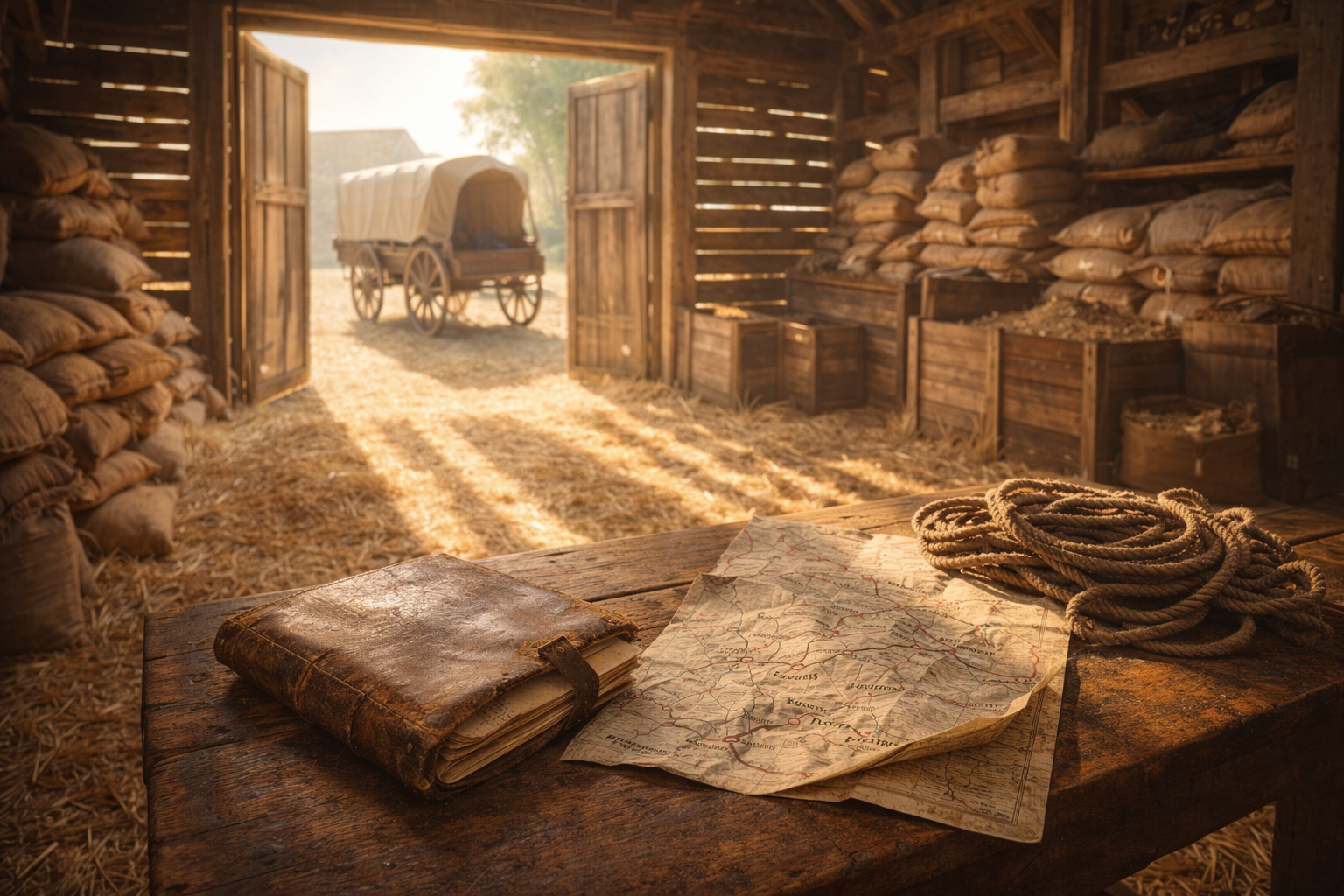
Because many commodities were bulky and perishable, preindustrial societies invested in seasonal transport strategies and communal storage to preserve value. River networks, carts, pack animals, and coastal shipping were timed to the seasons when roads were passable and river levels favorable, reducing spoilage and cost. Storage facilities such as barns, granaries, and cold cellars were critical for holding goods until markets could absorb them.

Market Cities and Festival Cycles

Periodic markets and festival gatherings often aligned with agricultural milestones, concentrating trade at certain times of year and drawing buyers and sellers from wide areas. These events allowed traders to exchange not only foodstuffs but also textiles, tools, and credit arrangements that were essential during off-seasons. Market schedules therefore structured regional commercial calendars and supported specialized roles like itinerant merchants and seasonal laborers.

Adaptation and Risk Management

Seasonal variability exposed communities to cycles of abundance and scarcity, prompting innovations in risk management such as credit, diversification, and communal grain sharing. Merchants developed contracts and forward arrangements to lock in prices before harvest, while local elites sometimes redistributed supplies to stabilize markets. Over time these practices reduced vulnerability and enabled longer-distance exchanges that transcended immediate seasonal limits.

Conclusion

Seasonal agricultural cycles were a primary force shaping preindustrial trade patterns, influencing transport, storage, and market timing. Communities adapted through infrastructure, social institutions, and financial arrangements to smooth the effects of abundance and scarcity. Recognizing these rhythms helps explain the organization and resilience of historical economies.


Previous Post

Signals, Scripts, and Messengers: Preindustrial Communication Systems

Next Post

The Educator Who Reimagined Childhood Learning and Archives

Related Posts

When Boston Flooded with Molasses: The 1919 North End Disaster
History

When Boston Flooded with Molasses: The 1919 North End Disaster

November 3, 2026
The 1518 Dancing Plague: When Strasbourg Danced to Exhaustion
History

The 1518 Dancing Plague: When Strasbourg Danced to Exhaustion

November 3, 2026
John Snow, the Broad Street Pump, and Cholera’s Fall
History

John Snow, the Broad Street Pump, and Cholera’s Fall

October 29, 2026
The Vasa: Sweden’s Giant Ship That Couldn’t Sail
History

The Vasa: Sweden’s Giant Ship That Couldn’t Sail

October 29, 2026
Next Post
The Educator Who Reimagined Childhood Learning and Archives

The Educator Who Reimagined Childhood Learning and Archives

Search..

No Result
View All Result

Recent Articles

When Boston Flooded with Molasses: The 1919 North End Disaster

When Boston Flooded with Molasses: The 1919 North End Disaster

November 3, 2026
The 1518 Dancing Plague: When Strasbourg Danced to Exhaustion

The 1518 Dancing Plague: When Strasbourg Danced to Exhaustion

November 3, 2026
1453: The Fall of Constantinople — A Brief Timeline

1453: The Fall of Constantinople — A Brief Timeline

November 2, 2026
How Penicillin Went from Petri Dish to Battlefield Medicine

How Penicillin Went from Petri Dish to Battlefield Medicine

November 2, 2026
How Carrara’s Marble Carved a Peculiar Mountain Region

How Carrara’s Marble Carved a Peculiar Mountain Region

November 1, 2026

Subscribe Us

By clicking submit, I authorize History Ours and its affiliated companies to: (1) use, sell, and share my information for marketing purposes, including cross-context behavioral advertising, as described in our Terms of Service and Privacy Policy, (2) supplement the information that I provide with additional information lawfully obtained from other sources, like demographic data from public sources, interests inferred from web page views, or other data relevant to what might interest me, like past purchase or location data, (3) contact me or enable others to contact me by email with offers for goods and services from any category at the email address provided, and (4) retain my information while I am engaging with marketing messages that I receive and for a reasonable amount of time thereafter. I understand I can opt out at any time through an email that I receive, or by clicking here

Subscribe To Our Newsletter

By clicking submit, I authorize History Ours and its affiliated companies to: (1) use, sell, and share my information for marketing purposes, including cross-context behavioral advertising, as described in our Terms of Service and Privacy Policy, (2) supplement the information that I provide with additional information lawfully obtained from other sources, like demographic data from public sources, interests inferred from web page views, or other data relevant to what might interest me, like past purchase or location data, (3) contact me or enable others to contact me by email with offers for goods and services from any category at the email address provided, and (4) retain my information while I am engaging with marketing messages that I receive and for a reasonable amount of time thereafter. I understand I can opt out at any time through an email that I receive, or by clicking here.

© 2026 History Ours | All Rights Reserved

  • Contact Us
  • Privacy Policy
  • Terms of Service
  • Unsubscribe
  • Privacy Choices
  • Contact Us
  • Privacy Policy
  • Terms of Service
  • Unsubscribe
  • Privacy Choices

© 2026 History Ours | All Rights Reserved

No Result
View All Result
  • Home
  • History
  • Biographies
  • Eras
  • Regions
  • Timeline

© 2026 History Ours | All Rights Reserved

Skip to content
Open toolbar Accessibility Tools

Accessibility Tools

  • Increase TextIncrease Text
  • Decrease TextDecrease Text
  • GrayscaleGrayscale
  • High ContrastHigh Contrast
  • Negative ContrastNegative Contrast
  • Light BackgroundLight Background
  • Links UnderlineLinks Underline
  • Readable FontReadable Font
  • Reset Reset