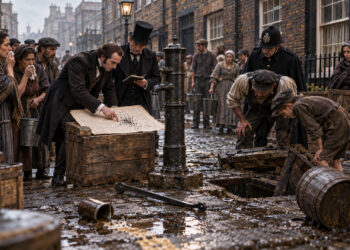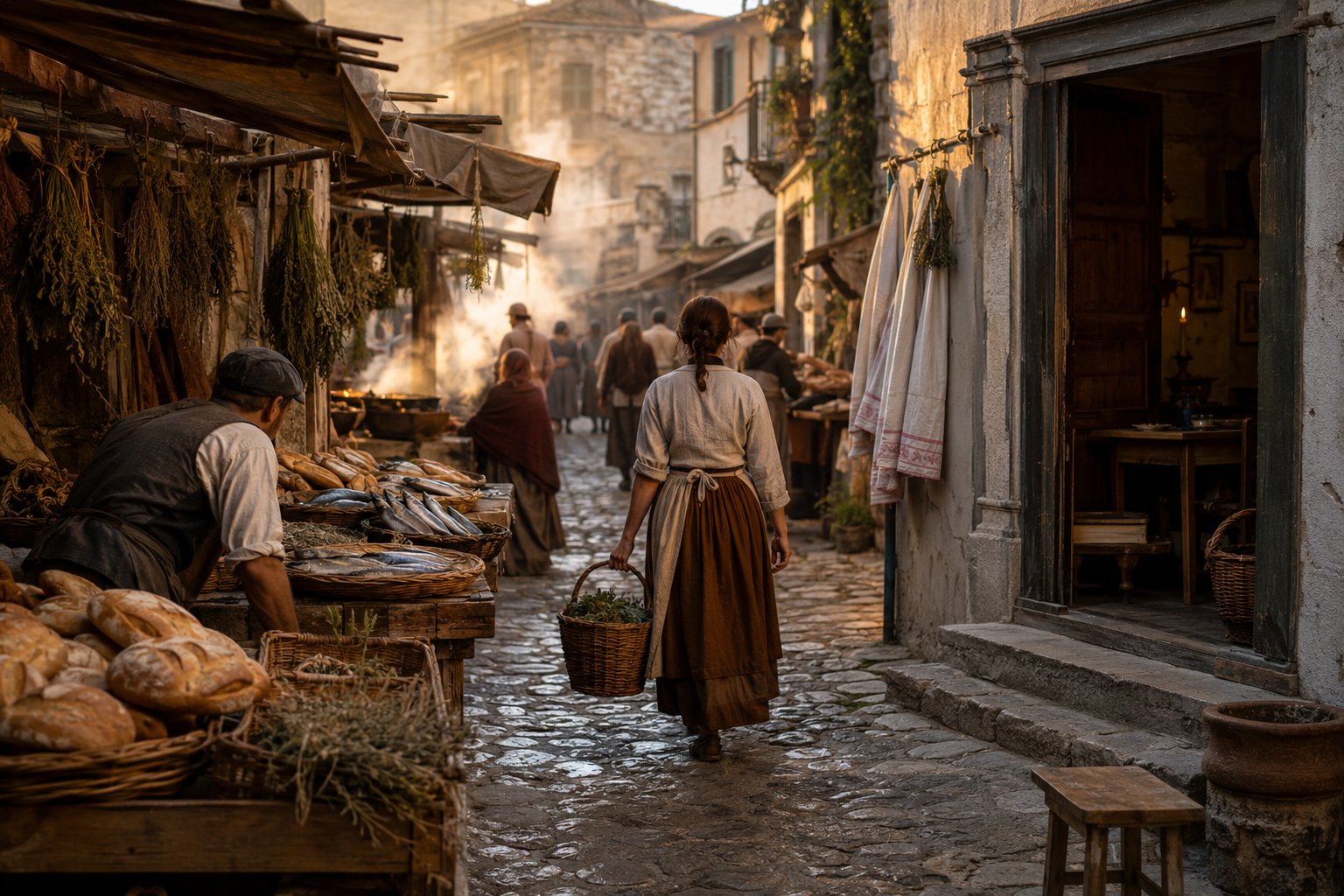
Historic market streets were places of layered sensation and constant movement.
They combined commerce, domestic life, and public ritual in tight physical settings.
Walkers navigated thresholds, noises, smells, and rhythms that structured daily practice.
Understanding these sensory and spatial dynamics helps explain how communities formed and persisted.
Sensory Landscapes of Trade
Market streets presented a dense mix of stimuli that merchants and residents learned to read and use. Traders used scent, display, and sound to mark goods and attract buyers, while passersby relied on cues to judge quality and price. These sensory markers became shared references that organized where people lingered or moved on. Over time, repeated exposure turned the chaotic bustle into a negotiated environment with understood norms.
Attendance to smell, noise, and sight was not merely aesthetic but practical, guiding choices and interactions in real time. The sensory order supported economic transactions and everyday sociability.
Movement, Memory, and Social Routes
Movement along market streets created habitual paths that carried both goods and stories through neighborhoods. Regular routes connected homes, workshops, and public spaces, producing predictable patterns of contact and exchange. Memory of persons and places anchored social obligations, from buying on credit to passing information at a stall. These routes tied individuals into networks that extended beyond immediate kin or occupation.
Sticky routines made certain corners or times of day significant for specific activities, reinforcing social roles and expectations. Over decades, these practices shaped local conventions and reputations.
Domestic Edges and Public Exchange
Homes and shops often blurred at the street, with thresholds serving as both household borders and points of sale. Windows, stoops, and doorways mediated privacy and outreach, enabling small-scale production or informal trade without severing domestic life. The proximity of work and living space allowed rapid adaptation to demand and mutual support across households. Such configurations produced a resilient, flexible urban economy that relied heavily on face-to-face ties.
Negotiations over space—who displayed what and where—reflected broader social hierarchies and cooperative practices. These micro-contests shaped everyday civility and access to resources.
Conclusion
Market streets were lived landscapes where senses, movement, and social bonds intertwined.
Their patterns of daily interaction created durable community structures and practical knowledge.
Reading these streets reveals how ordinary routines sustained historic urban life.