
Uncover History’s Secrets with Daily Updates!
Daily News Entertainment
  • Home
  • History
  • Biographies
  • Eras
  • Regions
  • Timeline
No Result
View All Result
History Ours
  • Home
  • History
  • Biographies
  • Eras
  • Regions
  • Timeline
No Result
View All Result
History Ours
No Result
View All Result
Home Regions

Everyday Threads and the Slow Formation of Regions

in Regions
Everyday Threads and the Slow Formation of Regions

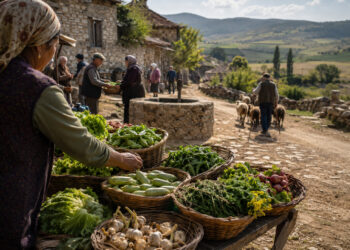
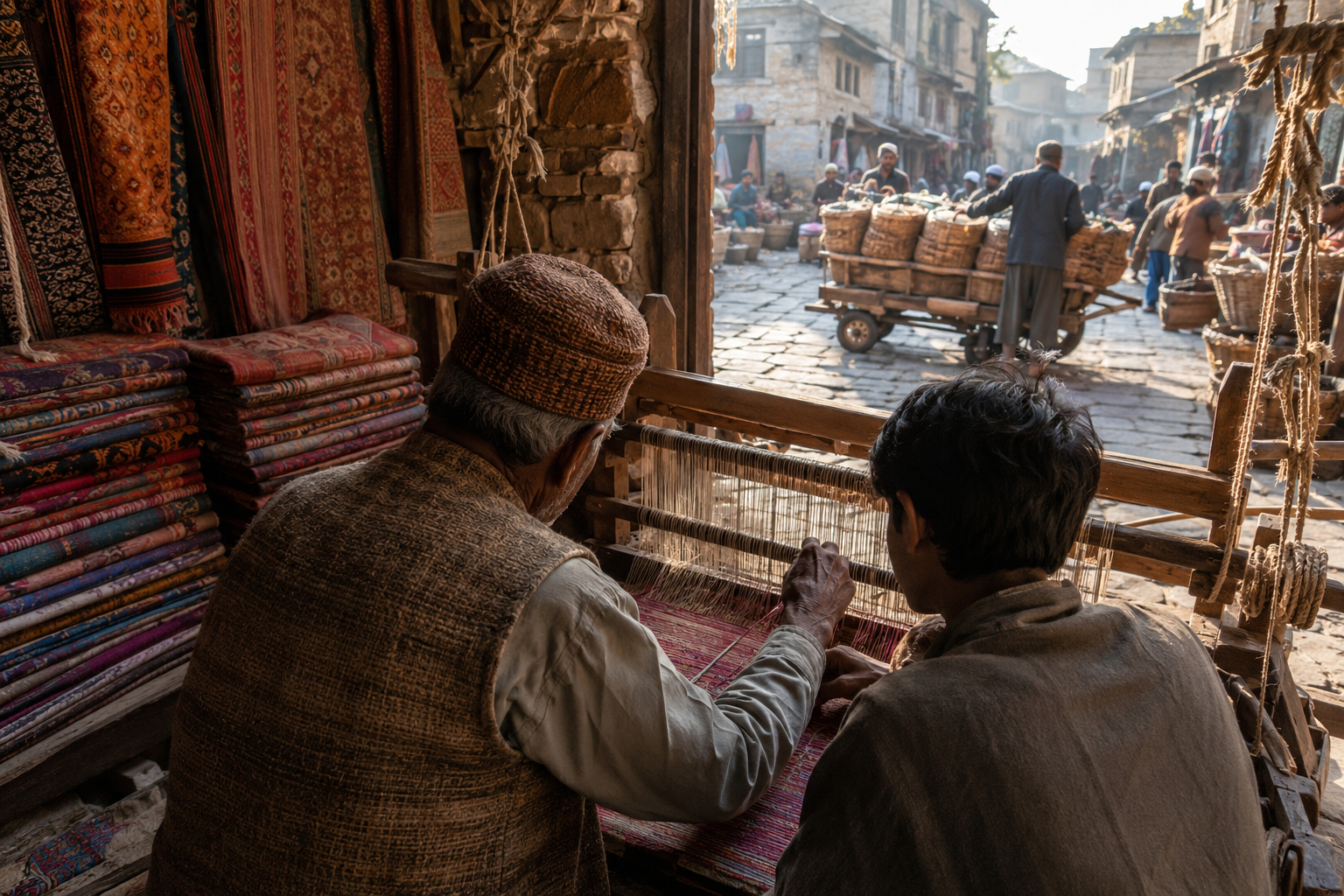
Regions are not only shaped by treaties or dramatic events but by the ordinary patterns people rehearse every day. Markets, lanes, communal rituals and routine labor accumulate meanings that orient local life. Over generations these practices stitch disparate places into recognizable regional fabrics. Paying attention to those small threads reveals how large-scale identities take form and persist.

Historical Layers

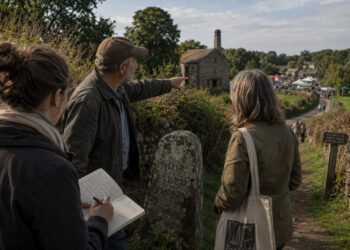
Local landscapes carry palimpsests of past use, where older economic arrangements, settlement patterns, and institutional rhythms leave visible traces. Archaeological features, building conventions and records of small institutions point to repeated choices that structured work and social life. These layers often outlast political changes, providing continuity that residents use to narrate belonging. Reading such material and documentary residues helps historians trace the deep temporal roots of regional cohesion.

Emphasizing layers also alerts us to friction: some practices fade while others adapt, and that tension shapes the evolving character of a place. Understanding continuity alongside change offers a balanced view of regional development.

Everyday Practices

Daily routines—how people move, trade, celebrate and care for one another—are the mechanisms through which regions become meaningful. Ritual calendars, market days and patterns of craft production create predictable cycles that anchor community memory. These practices generate shared vocabularies of place and habitual interactions that newcomers learn and negotiate. Over time, ordinary habits accumulate into recognizable cultural signatures.

  • Markets reinforcing trade patterns and social ties.
  • Seasonal work shaping local rhythms and celebrations.

By documenting such practices historians recover the tacit rules that govern everyday life and give regions their distinctive textures. These recovered routines are often more revealing than official narratives.

Mobility and Networks

Mobility—of people, goods and ideas—connects localities and spreads practices that knit a region together. Roads, waterways and trade routes enable exchanges that standardize techniques, fashions and beliefs across distances. Social networks, including kinship ties and guilds, translate mobility into durable bonds that help coordinate economic and cultural life. Recognizing these networks places the region within broader systems of circulation and influence.

Attention to movement shows how peripheral places become central through flows rather than borders alone. It reframes regions as relational and processual, not fixed containers.

Conclusion

Regions form slowly through repetition, exchange and the accumulation of everyday practices.
Studying those threads reveals continuity and adaptation that official histories often miss.
Valuing ordinary life gives a richer account of how place and belonging endure.
Previous Post

Choosing Timeframes That Illuminate Historical Change

Next Post

Stitching Local Practices Into Regional Historical Landscapes

Related Posts

Stitching Local Practices Into Regional Historical Landscapes
Regions

Stitching Local Practices Into Regional Historical Landscapes

July 9, 2026
Small Places, Big Histories: Reading Regional Change
Regions

Small Places, Big Histories: Reading Regional Change

July 4, 2026
Local Routines, Landscape, and the Crafting of Region
Regions

Local Routines, Landscape, and the Crafting of Region

July 4, 2026
Negotiating Place: Everyday Practices in Regional Formation
Regions

Negotiating Place: Everyday Practices in Regional Formation

June 29, 2026
Next Post
Stitching Local Practices Into Regional Historical Landscapes

Stitching Local Practices Into Regional Historical Landscapes

Search..

No Result
View All Result

Recent Articles

Neighborhood Kitchens and Urban Foodways in Historic Towns

Neighborhood Kitchens and Urban Foodways in Historic Towns

July 11, 2026
Corners and Crossings: Social Life in Historic Market Streets

Corners and Crossings: Social Life in Historic Market Streets

July 11, 2026
Practical Steps to Layer Community History on Timelines

Practical Steps to Layer Community History on Timelines

July 10, 2026
Selecting Scope and Structure for Community Timelines

Selecting Scope and Structure for Community Timelines

July 10, 2026
Stitching Local Practices Into Regional Historical Landscapes

Stitching Local Practices Into Regional Historical Landscapes

July 9, 2026

Subscribe Us

By clicking submit, I authorize History Ours and its affiliated companies to: (1) use, sell, and share my information for marketing purposes, including cross-context behavioral advertising, as described in our Terms of Service and Privacy Policy, (2) supplement the information that I provide with additional information lawfully obtained from other sources, like demographic data from public sources, interests inferred from web page views, or other data relevant to what might interest me, like past purchase or location data, (3) contact me or enable others to contact me by email with offers for goods and services from any category at the email address provided, and (4) retain my information while I am engaging with marketing messages that I receive and for a reasonable amount of time thereafter. I understand I can opt out at any time through an email that I receive, or by clicking here

Subscribe To Our Newsletter

By clicking submit, I authorize History Ours and its affiliated companies to: (1) use, sell, and share my information for marketing purposes, including cross-context behavioral advertising, as described in our Terms of Service and Privacy Policy, (2) supplement the information that I provide with additional information lawfully obtained from other sources, like demographic data from public sources, interests inferred from web page views, or other data relevant to what might interest me, like past purchase or location data, (3) contact me or enable others to contact me by email with offers for goods and services from any category at the email address provided, and (4) retain my information while I am engaging with marketing messages that I receive and for a reasonable amount of time thereafter. I understand I can opt out at any time through an email that I receive, or by clicking here.

© 2026 History Ours | All Rights Reserved

  • Contact Us
  • Privacy Policy
  • Terms of Service
  • Unsubscribe
  • Privacy Choices
  • Contact Us
  • Privacy Policy
  • Terms of Service
  • Unsubscribe
  • Privacy Choices

© 2026 History Ours | All Rights Reserved

No Result
View All Result
  • Home
  • History
  • Biographies
  • Eras
  • Regions
  • Timeline

© 2026 History Ours | All Rights Reserved

Skip to content
Open toolbar Accessibility Tools

Accessibility Tools

  • Increase TextIncrease Text
  • Decrease TextDecrease Text
  • GrayscaleGrayscale
  • High ContrastHigh Contrast
  • Negative ContrastNegative Contrast
  • Light BackgroundLight Background
  • Links UnderlineLinks Underline
  • Readable FontReadable Font
  • Reset Reset