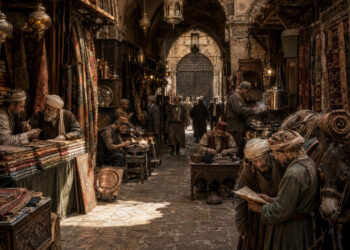

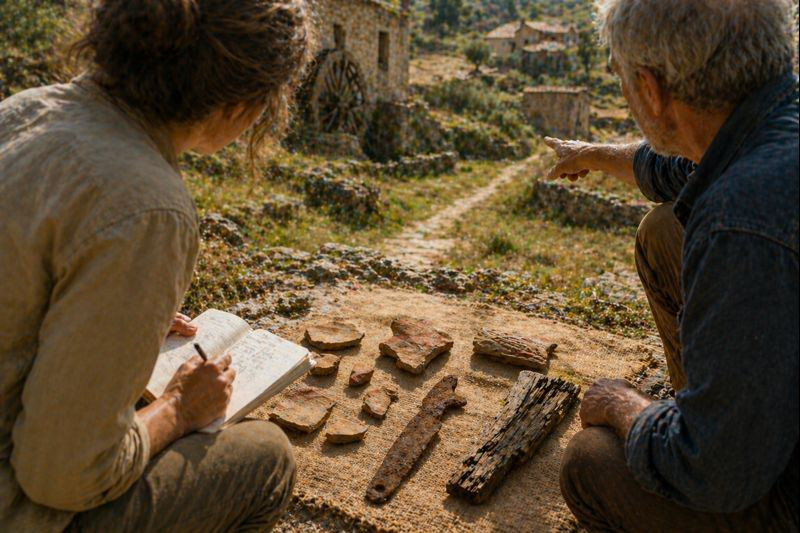
Objects, buildings, and altered landscapes carry layered information about how communities become recognizable as regions. Examining material traces helps historians move beyond maps and texts to grasp lived experience and social practice. These physical clues reveal economic ties, migration routes, and cultural exchange over decades and centuries. When assembled, they offer a grounded way to narrate regional change without relying solely on elite records.
Reading Objects as Regional Evidence
Material culture—tools, household goods, industrial ruins—functions as a durable record of everyday life and regional connection. A pattern of similar ceramics, for example, can indicate shared trade networks or common manufacturing practices that bind separate locales. Architectural styles and construction techniques also map the movement of skills and ideas across a territory, suggesting routes of communication and influence. Interpreting objects requires attention to production, use, and discard contexts to avoid simplistic conclusions.
Working with objects challenges historians to integrate methods from archaeology, conservation, and oral history. Cross-disciplinary study enriches narratives about how items circulated and why particular materials persisted in a place. Such analysis helps reconstruct economic and cultural geographies that shaped an emergent regional identity.
Landscapes, Infrastructure, and Regional Form
Physical infrastructures—roads, canals, mills, and terracing—leave visible legacies that structure social life and economic opportunity. These features create durable connections that orient households and markets toward specific centers, producing a recognizable regional pattern over time. Agricultural practices, for instance, reshape soils and water management in ways that persist across generations and influence settlement density and local governance. Recognizing these material footprints reveals how environments and investments promoted particular forms of regional cohesion.
Landscape evidence also highlights unequal power dynamics, as some projects reflect elite priorities while others record communal strategies for survival. Tracing these differences helps explain why regions develop distinct political and social character.
Practices, Networks, and Everyday Mobility
Beyond objects and infrastructure, habitual practices such as seasonally timed labor, craft specializations, and ritual movement produce a tangible sense of place. Repeated actions leave marks on buildings, paths, and cultivated land, and they sustain networks of exchange that cross nominal borders. Mobility—whether seasonal migration, market attendance, or marriage patterns—connects people and creates layered affiliations that shape regional belonging. Documenting these routines illuminates the social rhythms that bind communities into coherent regions.
Combining documentary sources with material study uncovers how ordinary lives aggregate into long-term regional processes. This approach foregrounds the labor and choices that build and maintain belonging.
Conclusion
Material traces provide a concrete route into understanding regional formation and change. By reading objects, landscapes, and practices together scholars reconstruct the networks that sustain place-based identity. This grounded lens reveals the everyday work of making regions and the persistent marks it leaves behind.