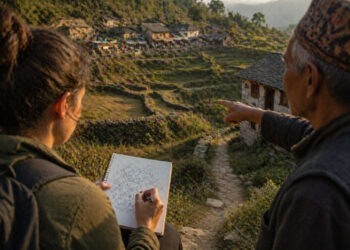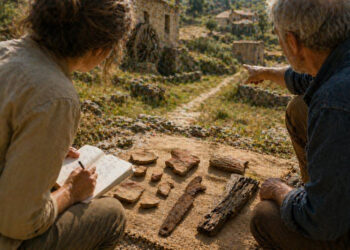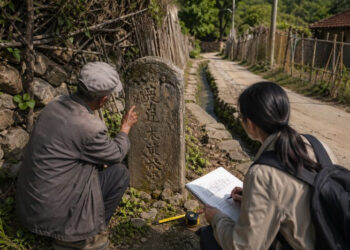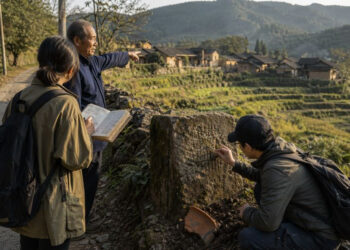
Regions are shaped by layered histories that connect people, place, and practice. Local landscapes keep traces of work, migration, and everyday life that help explain larger historical shifts. Recording those traces is a practical way to preserve identity and to inform planning, education, and heritage work. This article offers approaches to gather, interpret, and share regional stories responsibly.
Understanding Regional Identity
Regional identity emerges from interactions between environment, economy, and social networks across generations. Natural features like rivers and hills often structure settlement patterns, trade routes, and cultural exchange, while built environments reflect technological and aesthetic choices. Recognizing these elements helps historians and planners situate local narratives within broader contexts. It also reveals which places and practices communities value most and why.
Centering regional identity requires attention to diverse voices and material traces. Public memory can privilege some stories, so inclusive research helps surface silenced perspectives and contested sites. Thoughtful interpretation builds more resilient and representative understandings of a place.
Collecting and Preserving Local Sources
Primary materials for regional history include oral interviews, maps, photographs, property records, and everyday objects. Digital tools make it easier to store, tag, and share these materials, but they also require sustainable management plans and attention to privacy. Fieldwork protocols, metadata standards, and partnerships with archives or libraries strengthen long-term accessibility. Training volunteers and students expands capacity while nurturing local stewardship.
Preservation strategies should balance accessibility and care. Prioritizing at-risk formats and creating redundant backups reduce loss, while clear rights statements guide responsible reuse.
Engaging Communities Through Narrative
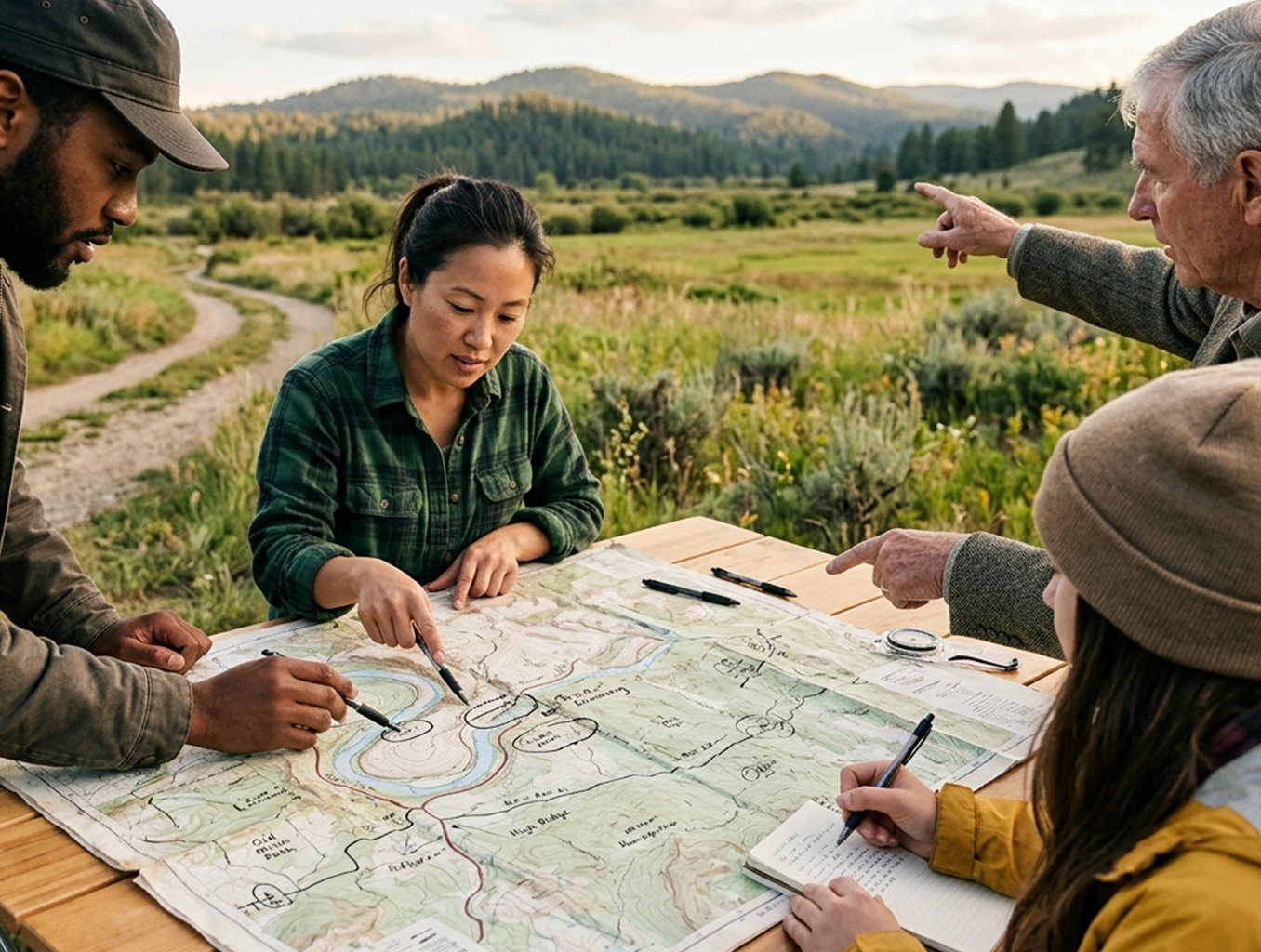
Community engagement turns research into a collaborative process rather than an extractive one. Workshops, walking tours, and participatory mapping invite residents to contribute memories, correct interpretations, and suggest future priorities. These activities build trust and produce richer, more nuanced narratives that reflect daily life as well as landmark events. Effective engagement also supports intergenerational exchange and local education initiatives.
Storytelling formats matter: exhibits, podcasts, and web platforms offer varied entry points for different audiences. Selecting the right medium helps sustain interest and ensures stories reach both local and wider publics.
Conclusion
Documenting regional history connects people to place and to each other.
Practical methods and inclusive practices make preservation meaningful and durable.
Sustained collaboration helps communities keep their stories relevant for future generations.