Uncover History’s Secrets with Daily Updates!
Daily News Entertainment
  • Home
  • History
  • Biographies
  • Eras
  • Regions
  • Timeline
No Result
View All Result
History Ours
  • Home
  • History
  • Biographies
  • Eras
  • Regions
  • Timeline
No Result
View All Result
History Ours
No Result
View All Result
Home Regions

Regional Layers: Tracing Landscapes Through Local Histories

in Regions
Regional Layers: Tracing Landscapes Through Local Histories

Introduction

Regions are living mosaics shaped by environment, migration, and human activity over time. Understanding their layers reveals why certain towns, roads, and cultural practices persist while others fade. This piece explores how natural features, historical movements, and cultural exchange combine to define regional character. It offers perspectives useful to researchers, planners, and curious readers interested in place-based history.

Natural Boundaries and Human Patterns

Rivers, mountain ranges, and coastlines have long directed where people settle and how communities interact. Natural boundaries create opportunities for trade and isolation alike, influencing agricultural choices and transport routes. Over centuries, these features also guide political divisions and economic ties, often outlasting temporary administrative changes. Observing physical geography helps explain enduring patterns of population density and land use.

Recognizing the role of landscape is essential for interpreting settlement maps and economic histories. Planners and historians can both benefit from this ecological perspective when assessing continuity and change in a region.

Historical Routes and Settlement Growth

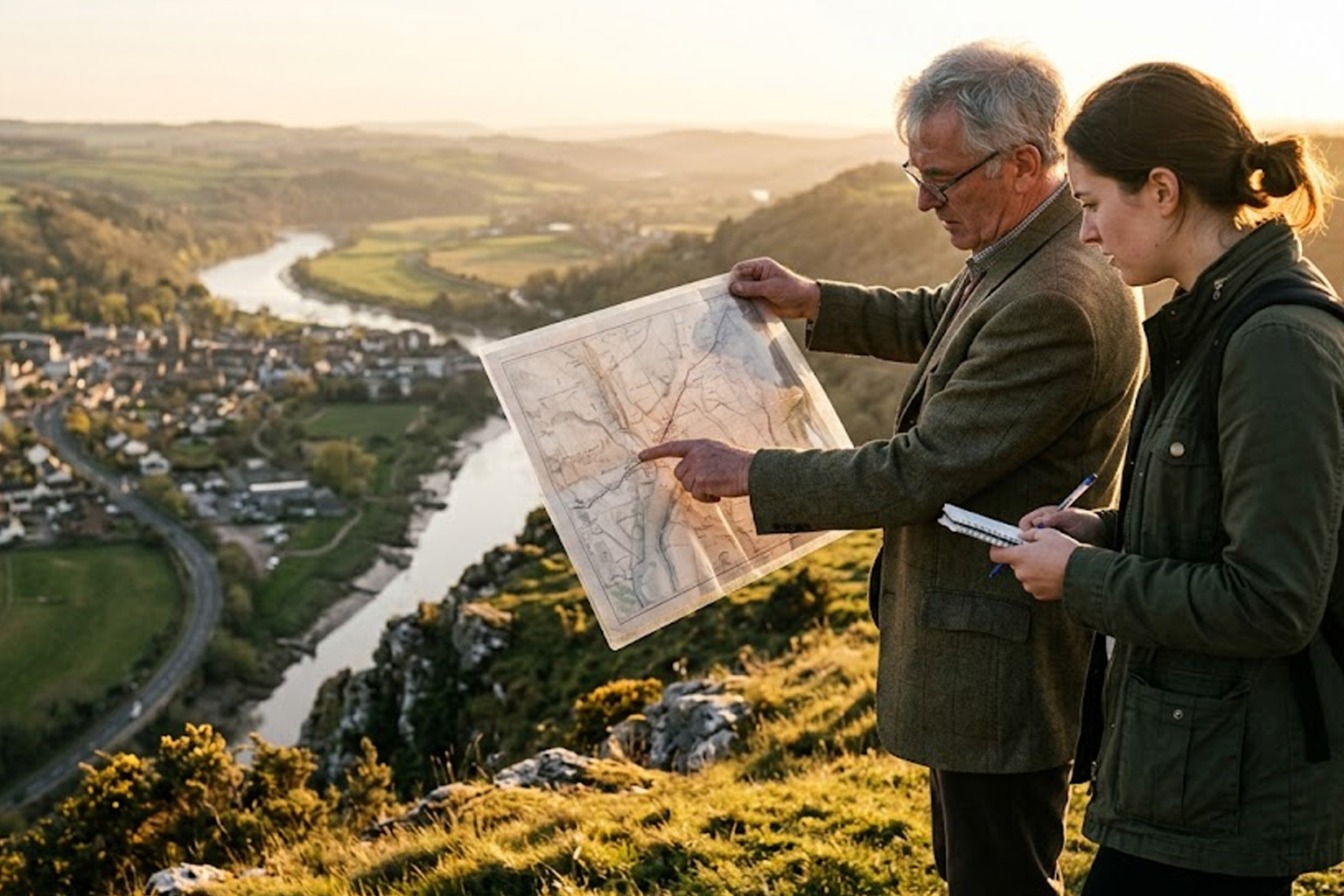
Paths of migration, trade corridors, and strategic military routes have left visible traces in urban layouts and regional economies. Towns often develop at crossroads or near resources that attracted early travelers and merchants. As transportation technology evolved, some routes gained prominence while others declined, reshaping the fortunes of settlements along them. Maps that layer historical routes over modern infrastructure reveal these shifts clearly.

Studying these patterns highlights how connectivity influences cultural exchange and economic resilience. It also provides clues about why some communities thrive as hubs while others become peripheries.

Cultural Layers and Language

Language, religious practices, and local customs accumulate in layers as populations interact and adapt. Place names, festivals, and culinary habits often preserve older identities even after political borders change. These intangible elements can be mapped alongside material culture to build a fuller picture of regional identity. Cultural layering shows both continuity and creative blending over time.

  • Toponymy preserves linguistic influences from successive inhabitants.
  • Architectural styles reveal economic connections and aesthetic exchange.
  • Local rituals often synthesize multiple historical influences.

Combining linguistic and material evidence allows researchers to trace subtle threads of continuity across generations. This method enriches narratives of regional development without relying solely on official records.

Conclusion

Regions emerge from the interplay of environment, movement, and cultural exchange, producing distinct and evolving identities. Examining natural features, historical routes, and cultural layers together offers a balanced understanding of place. Such integrated perspectives are valuable for heritage work, planning, and anyone seeking to understand how past choices shape present landscapes.
Previous Post

Mapping Cultural Layers: A Region’s Changing Identity Over Centuries

Next Post

Designing Engaging Timelines for Historical Websites

Related Posts

Levadas and the Making of Madeira’s Island Region
Regions

Levadas and the Making of Madeira’s Island Region

October 27, 2026
Black Hills: Paha Sapa, Gold Fever, and a Stolen Range
Regions

Black Hills: Paha Sapa, Gold Fever, and a Stolen Range

October 27, 2026
Aksum: The Ancient Ethiopian Empire That Linked Rome and India
Regions

Aksum: The Ancient Ethiopian Empire That Linked Rome and India

October 22, 2026
Timbuktu: How a Sahara Outpost Became a City of Books
Regions

Timbuktu: How a Sahara Outpost Became a City of Books

October 22, 2026
Next Post
Designing Engaging Timelines for Historical Websites

Designing Engaging Timelines for Historical Websites

Search..

No Result
View All Result

Recent Articles

The Salon Era: How Conversation Shaped the Enlightenment

The Salon Era: How Conversation Shaped the Enlightenment

October 31, 2026
Tenement New York: Life in Vertical Slums, 1870–1910

Tenement New York: Life in Vertical Slums, 1870–1910

October 31, 2026
Mary Seacole: The Jamaican Nurse Who Went to War

Mary Seacole: The Jamaican Nurse Who Went to War

October 30, 2026
Ada Lovelace: The Poet Who Helped Imagine Modern Computers

Ada Lovelace: The Poet Who Helped Imagine Modern Computers

October 30, 2026
John Snow, the Broad Street Pump, and Cholera’s Fall

John Snow, the Broad Street Pump, and Cholera’s Fall

October 29, 2026

Subscribe Us

By clicking submit, I authorize History Ours and its affiliated companies to: (1) use, sell, and share my information for marketing purposes, including cross-context behavioral advertising, as described in our Terms of Service and Privacy Policy, (2) supplement the information that I provide with additional information lawfully obtained from other sources, like demographic data from public sources, interests inferred from web page views, or other data relevant to what might interest me, like past purchase or location data, (3) contact me or enable others to contact me by email with offers for goods and services from any category at the email address provided, and (4) retain my information while I am engaging with marketing messages that I receive and for a reasonable amount of time thereafter. I understand I can opt out at any time through an email that I receive, or by clicking here

Subscribe To Our Newsletter

By clicking submit, I authorize History Ours and its affiliated companies to: (1) use, sell, and share my information for marketing purposes, including cross-context behavioral advertising, as described in our Terms of Service and Privacy Policy, (2) supplement the information that I provide with additional information lawfully obtained from other sources, like demographic data from public sources, interests inferred from web page views, or other data relevant to what might interest me, like past purchase or location data, (3) contact me or enable others to contact me by email with offers for goods and services from any category at the email address provided, and (4) retain my information while I am engaging with marketing messages that I receive and for a reasonable amount of time thereafter. I understand I can opt out at any time through an email that I receive, or by clicking here.

© 2026 History Ours | All Rights Reserved

  • Contact Us
  • Privacy Policy
  • Terms of Service
  • Unsubscribe
  • Privacy Choices
  • Contact Us
  • Privacy Policy
  • Terms of Service
  • Unsubscribe
  • Privacy Choices

© 2026 History Ours | All Rights Reserved

No Result
View All Result
  • Home
  • History
  • Biographies
  • Eras
  • Regions
  • Timeline

© 2026 History Ours | All Rights Reserved

Skip to content
Open toolbar Accessibility Tools

Accessibility Tools

  • Increase TextIncrease Text
  • Decrease TextDecrease Text
  • GrayscaleGrayscale
  • High ContrastHigh Contrast
  • Negative ContrastNegative Contrast
  • Light BackgroundLight Background
  • Links UnderlineLinks Underline
  • Readable FontReadable Font
  • Reset Reset