Uncover History’s Secrets with Daily Updates!
Daily News Entertainment
  • Home
  • History
  • Biographies
  • Eras
  • Regions
  • Timeline
No Result
View All Result
History Ours
  • Home
  • History
  • Biographies
  • Eras
  • Regions
  • Timeline
No Result
View All Result
History Ours
No Result
View All Result
Home Regions

Shaping Regional Histories Through Ordinary Places and Routines

in Regions
Shaping Regional Histories Through Ordinary Places and Routines

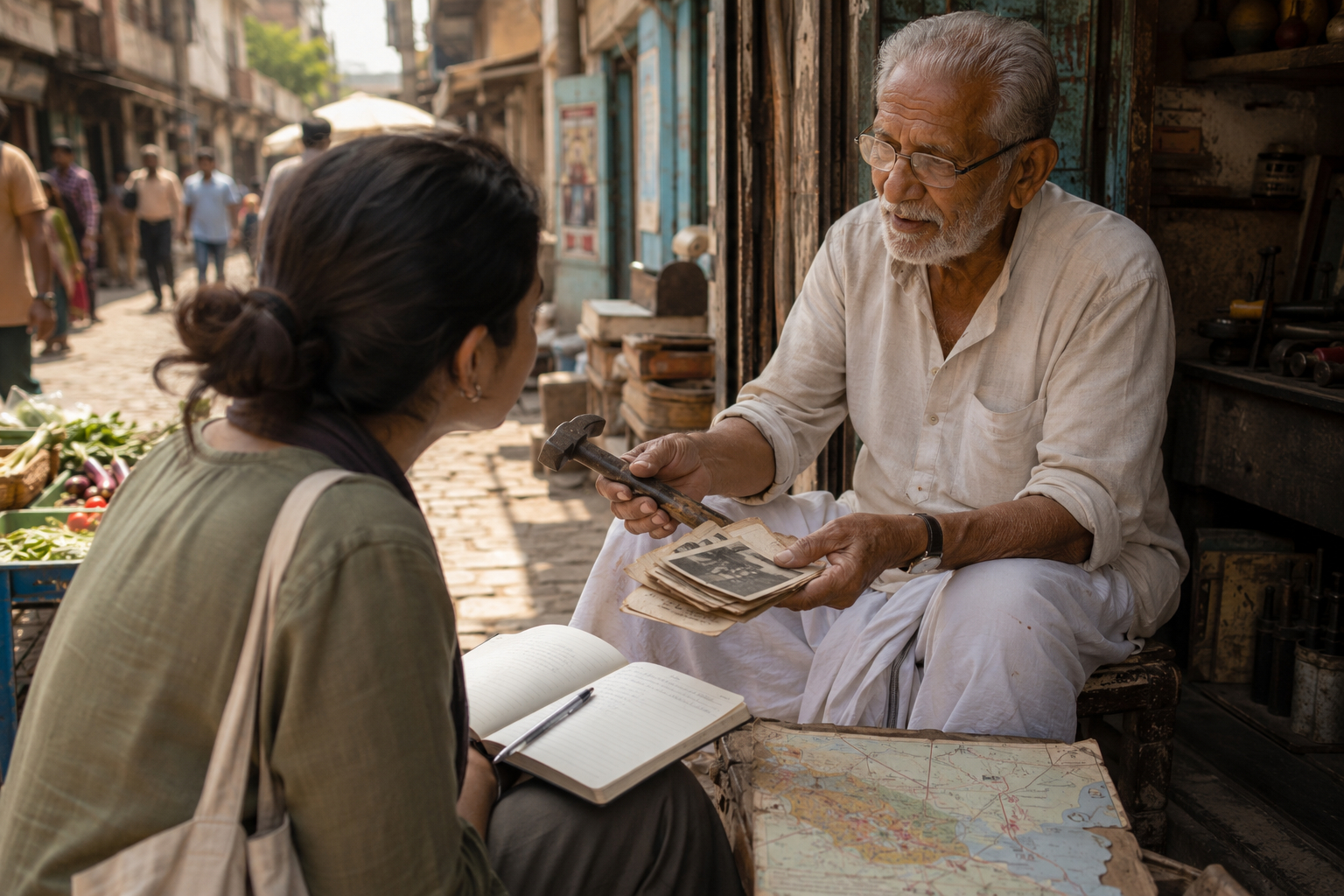
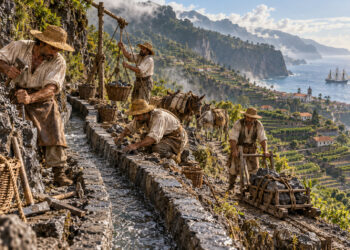
Regions are not only defined by maps and politics but by the steady rhythms of daily life. Ordinary places — markets, lanes, workshops, and meeting houses — collect practices that shape memory across generations. Paying attention to routine activities reveals how communities anchor identity in material and social infrastructures. This piece outlines how landscape, objects, institutions, and archives together make regional histories legible.

Landscape and Local Practices

The physical landscape organizes routines that become shorthand for local identity. Pathways, fields, and neighborhood nodes channel labor, ritual, and exchange in patterns repeated over time. Through farming calendars, seasonal fairs, or commuting routes, people reproduce expectations about place and belonging that outlast single lifetimes. Reading maps alongside diaries and municipal records helps clarify how everyday spatial practices harden into regional traits.

Such practices are not static; they adapt as infrastructures and economic opportunities shift. Attention to persistence and change in place-based routines reveals long-term continuities in regional life.

Material Traces and Everyday Networks

Objects and built forms carry memory across informal networks of use and repair. Tools, storefronts, and domestic fittings tell stories of trade routes, craft specialization, and household economies. These material traces can be traced through surviving artifacts, photographs, and the lingering presence of vernacular architecture. They provide a grounded complement to textual sources, especially where official archives are thin.

Following objects through households and markets maps the invisible routes that sustain regional culture. This material focus highlights exchange as a social as well as economic process.

Institutions, Markets, and Mobility

Small institutions and regular markets mediate the wider flows that shape region-making. Schools, guilds, and local courts stabilize norms while weekly markets and transport links connect places to broader circuits. Mobility—seasonal labor, trade journeys, or pilgrimage—creates overlapping spheres of interaction that reconfigure local identities over time. Studying institutional records alongside mobility patterns reveals how regional boundaries are negotiated rather than simply imposed.

Institutions both anchor routines and translate external influences into local forms. They are key sites where regional memory is taught and contested.

Reading Everyday Archives

Oral histories, family papers, and community ephemera form an everyday archive that complements formal records. These sources surface mundane decisions and practices that cumulatively shape regional narratives. Engaging with them requires patient, often collaborative methods that respect local knowledge and context. Such approaches uncover how people lit, fed, built, and organized their worlds in ways that produce enduring regional characters.

By integrating these everyday archives with landscape and institutional history, researchers can reconstruct richer, more grounded regional stories. This method foregrounds lived experience as central to historical explanation.

Conclusion

Everyday places and routines are the scaffolding of regional memory. Attending to material traces, institutions, and local archives reveals how regions are made and remade. Combining these perspectives yields more nuanced and lasting histories.

Previous Post

Layering Time: Making Historical Eras Work for Readers

Next Post

Anchoring Regions: Everyday Places and Collective Memory

Related Posts

Levadas and the Making of Madeira’s Island Region
Regions

Levadas and the Making of Madeira’s Island Region

October 27, 2026
Black Hills: Paha Sapa, Gold Fever, and a Stolen Range
Regions

Black Hills: Paha Sapa, Gold Fever, and a Stolen Range

October 27, 2026
Aksum: The Ancient Ethiopian Empire That Linked Rome and India
Regions

Aksum: The Ancient Ethiopian Empire That Linked Rome and India

October 22, 2026
Timbuktu: How a Sahara Outpost Became a City of Books
Regions

Timbuktu: How a Sahara Outpost Became a City of Books

October 22, 2026
Next Post
Anchoring Regions: Everyday Places and Collective Memory

Anchoring Regions: Everyday Places and Collective Memory

Search..

No Result
View All Result

Recent Articles

The Salon Era: How Conversation Shaped the Enlightenment

The Salon Era: How Conversation Shaped the Enlightenment

October 31, 2026
Tenement New York: Life in Vertical Slums, 1870–1910

Tenement New York: Life in Vertical Slums, 1870–1910

October 31, 2026
Mary Seacole: The Jamaican Nurse Who Went to War

Mary Seacole: The Jamaican Nurse Who Went to War

October 30, 2026
Ada Lovelace: The Poet Who Helped Imagine Modern Computers

Ada Lovelace: The Poet Who Helped Imagine Modern Computers

October 30, 2026
John Snow, the Broad Street Pump, and Cholera’s Fall

John Snow, the Broad Street Pump, and Cholera’s Fall

October 29, 2026

Subscribe Us

By clicking submit, I authorize History Ours and its affiliated companies to: (1) use, sell, and share my information for marketing purposes, including cross-context behavioral advertising, as described in our Terms of Service and Privacy Policy, (2) supplement the information that I provide with additional information lawfully obtained from other sources, like demographic data from public sources, interests inferred from web page views, or other data relevant to what might interest me, like past purchase or location data, (3) contact me or enable others to contact me by email with offers for goods and services from any category at the email address provided, and (4) retain my information while I am engaging with marketing messages that I receive and for a reasonable amount of time thereafter. I understand I can opt out at any time through an email that I receive, or by clicking here

Subscribe To Our Newsletter

By clicking submit, I authorize History Ours and its affiliated companies to: (1) use, sell, and share my information for marketing purposes, including cross-context behavioral advertising, as described in our Terms of Service and Privacy Policy, (2) supplement the information that I provide with additional information lawfully obtained from other sources, like demographic data from public sources, interests inferred from web page views, or other data relevant to what might interest me, like past purchase or location data, (3) contact me or enable others to contact me by email with offers for goods and services from any category at the email address provided, and (4) retain my information while I am engaging with marketing messages that I receive and for a reasonable amount of time thereafter. I understand I can opt out at any time through an email that I receive, or by clicking here.

© 2026 History Ours | All Rights Reserved

  • Contact Us
  • Privacy Policy
  • Terms of Service
  • Unsubscribe
  • Privacy Choices
  • Contact Us
  • Privacy Policy
  • Terms of Service
  • Unsubscribe
  • Privacy Choices

© 2026 History Ours | All Rights Reserved

No Result
View All Result
  • Home
  • History
  • Biographies
  • Eras
  • Regions
  • Timeline

© 2026 History Ours | All Rights Reserved

Skip to content
Open toolbar Accessibility Tools

Accessibility Tools

  • Increase TextIncrease Text
  • Decrease TextDecrease Text
  • GrayscaleGrayscale
  • High ContrastHigh Contrast
  • Negative ContrastNegative Contrast
  • Light BackgroundLight Background
  • Links UnderlineLinks Underline
  • Readable FontReadable Font
  • Reset Reset