

Uncover History’s Secrets with Daily Updates!
Daily News Entertainment
  • Home
  • History
  • Biographies
  • Eras
  • Regions
  • Timeline
No Result
View All Result
History Ours
  • Home
  • History
  • Biographies
  • Eras
  • Regions
  • Timeline
No Result
View All Result
History Ours
No Result
View All Result
Home Timeline

The Changing Role of Women Through History

in Timeline
The Changing Role of Women Through History

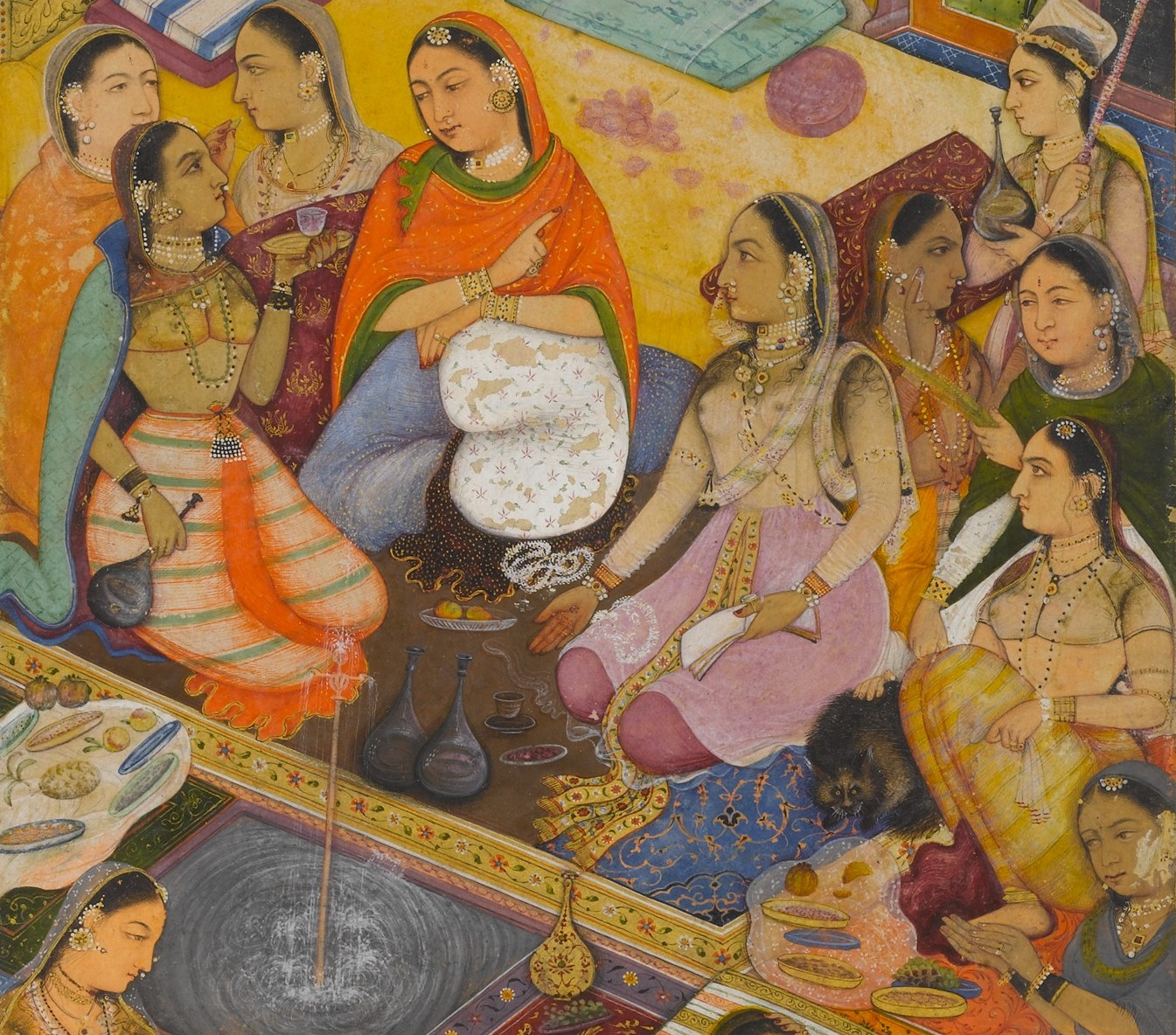
The role of women has never been static; it has evolved alongside societies, economies, and belief systems. Across centuries, women have shaped families, communities, and nations, often in ways that were undocumented or undervalued at the time. From early agricultural societies to modern civic life, their responsibilities and opportunities have continually shifted. Understanding this evolution offers insight into how social structures adapt and how progress is built over generations. The story of women through history is ultimately one of resilience, adaptation, and transformation.

Women in Early and Ancient Societies

In early societies, women played central roles in sustaining communities through agriculture, food preparation, and family care. In many ancient cultures, they also participated in religious rituals, trade, and craftsmanship. While some civilizations granted women legal rights and social influence, others imposed strict limitations. Despite these constraints, women contributed significantly to economic stability and cultural continuity, even when their labor went unrecorded in historical texts.

Shifts During the Medieval and Early Modern Periods

As societies became more hierarchical, women’s roles were increasingly defined by class, religion, and marriage. Noblewomen could hold influence through land ownership or political alliances, while working-class women supported households through skilled labor and trade. Education for women was limited but not absent, particularly within religious institutions. These centuries reinforced traditional gender expectations while also allowing subtle forms of leadership and independence within family and community life.

Industrialization and Social Transformation

The industrial era marked a major turning point. As work moved outside the home and into factories, women entered paid labor in greater numbers. This shift challenged long-standing norms and sparked debates about education, labor rights, and legal status. Women became active participants in reform movements, advocating for improved working conditions, access to education, and legal recognition. These changes laid the groundwork for broader social and political engagement.

The Rise of Political and Cultural Influence

In more recent history, women have expanded their roles in politics, science, arts, and public leadership. Increased access to education and legal rights allowed women to influence policy, culture, and innovation more visibly. Social movements pushed for equality and representation, reshaping expectations around work, family, and leadership. While challenges remain, women’s voices have become central to shaping modern societies.

Conclusion

The changing role of women through history reflects humanity’s broader struggle toward fairness and inclusion. Each era added layers of progress built on earlier sacrifices. By understanding this journey, we gain a deeper appreciation for both how far society has come and the work that still lies ahead.


Previous Post

The History of Printing, Media, and Expression

Next Post

How Globalization Began Long Before Modern Times

Related Posts

How Haiti Broke Its Chains: A 1791–1804 Timeline
Timeline

How Haiti Broke Its Chains: A 1791–1804 Timeline

September 15, 2026
From Horses to Wires: How the Pony Express Met the Telegraph
Timeline

From Horses to Wires: How the Pony Express Met the Telegraph

September 15, 2026
From Swamps to Shortcut: A Timeline of the Panama Canal
Timeline

From Swamps to Shortcut: A Timeline of the Panama Canal

September 15, 2026
1815–1818: The Tambora Eruption and the Year Without a Summer
Timeline

1815–1818: The Tambora Eruption and the Year Without a Summer

September 15, 2026
Next Post
How Globalization Began Long Before Modern Times

How Globalization Began Long Before Modern Times

Search..

No Result
View All Result

Recent Articles

Edo: Japan’s Urban Revolution of Lanterns and Printshops

Edo: Japan’s Urban Revolution of Lanterns and Printshops

September 16, 2026
How the Little Ice Age Changed Everyday Life in Europe

How the Little Ice Age Changed Everyday Life in Europe

September 16, 2026
The Disguise That Broke Chains: Ellen and William Craft

The Disguise That Broke Chains: Ellen and William Craft

September 15, 2026
Bass Reeves: The Marshal Who Hunted Outlaws in Indian Territory

Bass Reeves: The Marshal Who Hunted Outlaws in Indian Territory

September 15, 2026
How the Crystal Palace Turned Glass and Iron into a Modern Stage

How the Crystal Palace Turned Glass and Iron into a Modern Stage

September 15, 2026

Subscribe Us

By clicking submit, I authorize History Ours and its affiliated companies to: (1) use, sell, and share my information for marketing purposes, including cross-context behavioral advertising, as described in our Terms of Service and Privacy Policy, (2) supplement the information that I provide with additional information lawfully obtained from other sources, like demographic data from public sources, interests inferred from web page views, or other data relevant to what might interest me, like past purchase or location data, (3) contact me or enable others to contact me by email with offers for goods and services from any category at the email address provided, and (4) retain my information while I am engaging with marketing messages that I receive and for a reasonable amount of time thereafter. I understand I can opt out at any time through an email that I receive, or by clicking here

Subscribe To Our Newsletter

By clicking submit, I authorize History Ours and its affiliated companies to: (1) use, sell, and share my information for marketing purposes, including cross-context behavioral advertising, as described in our Terms of Service and Privacy Policy, (2) supplement the information that I provide with additional information lawfully obtained from other sources, like demographic data from public sources, interests inferred from web page views, or other data relevant to what might interest me, like past purchase or location data, (3) contact me or enable others to contact me by email with offers for goods and services from any category at the email address provided, and (4) retain my information while I am engaging with marketing messages that I receive and for a reasonable amount of time thereafter. I understand I can opt out at any time through an email that I receive, or by clicking here.

© 2026 History Ours | All Rights Reserved

  • Contact Us
  • Privacy Policy
  • Terms of Service
  • Unsubscribe
  • Privacy Choices
  • Contact Us
  • Privacy Policy
  • Terms of Service
  • Unsubscribe
  • Privacy Choices

© 2026 History Ours | All Rights Reserved

No Result
View All Result
  • Home
  • History
  • Biographies
  • Eras
  • Regions
  • Timeline

© 2026 History Ours | All Rights Reserved

Skip to content
Open toolbar Accessibility Tools

Accessibility Tools

  • Increase TextIncrease Text
  • Decrease TextDecrease Text
  • GrayscaleGrayscale
  • High ContrastHigh Contrast
  • Negative ContrastNegative Contrast
  • Light BackgroundLight Background
  • Links UnderlineLinks Underline
  • Readable FontReadable Font
  • Reset Reset