Uncover History’s Secrets with Daily Updates!
Daily News Entertainment
  • Home
  • History
  • Biographies
  • Eras
  • Regions
  • Timeline
No Result
View All Result
History Ours
  • Home
  • History
  • Biographies
  • Eras
  • Regions
  • Timeline
No Result
View All Result
History Ours
No Result
View All Result
Home Regions

Borders, Practices, and the Everyday Making of Regional Identity

in Regions
Borders, Practices, and the Everyday Making of Regional Identity

Regional identity emerges where people live, move, and make meaning across landscapes that shift over time. Everyday routines, rituals, and practical choices weave a sense of place as much as formal borders do. Studying those mundane practices reveals how communities negotiate change, assert continuity, and rework belonging. This piece outlines key dimensions for thinking about how regions are built from ordinary life.

In short, regions are lived and argued into being through action and memory, not only through maps.

Everyday Practices and Place

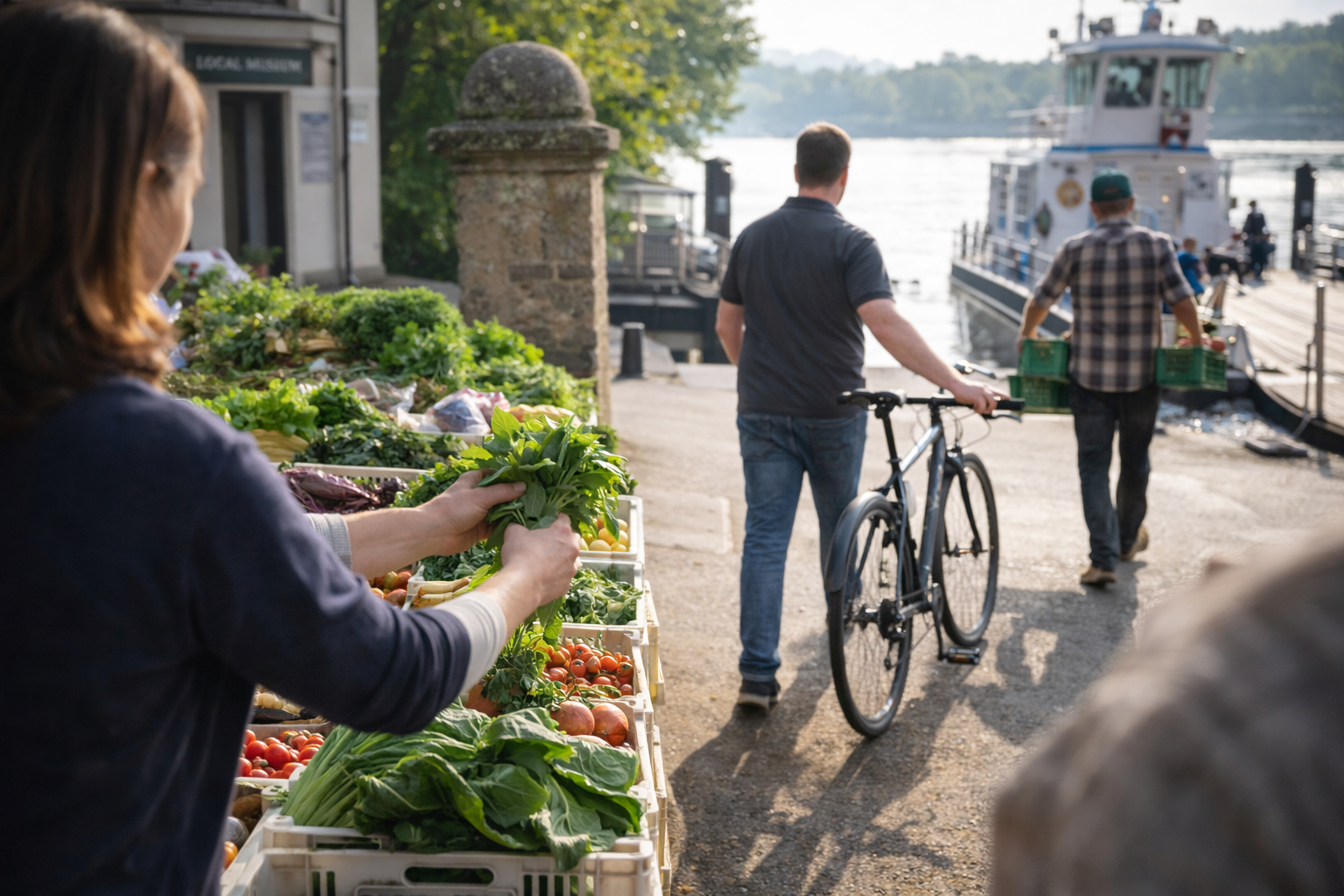
Daily activities such as market exchanges, seasonal work, religious observance, and neighborhood gatherings anchor people to particular places. These practices produce recurrent rhythms that people use to orient themselves and others, creating tacit knowledge about where things belong and who belongs where. Over generations, repetitive actions turn spaces into meaningful sites that carry social expectations and emotional attachments. Paying attention to habit and routine helps historians see how regional identities are reproduced and contested on an everyday level.

Identifying these practices often requires microhistorical work and attention to personal testimony. Such close study reveals how small acts aggregate into durable cultural patterns.

Institutions, Memory, and Authority

Institutions from schools and courts to local associations formalize and circulate regional norms, anchoring identity in rules, records, and rituals. Memory institutions such as museums, archives, and commemorative events select which pasts become prominent, shaping collective understanding of a region. Authority is negotiated as institutions interact with informal networks, and conflicts over who writes the past are frequent in contested regions. Examining institutional archives alongside oral histories uncovers tensions between official narratives and lived experience.

Researchers should balance documentary sources with community voices to capture the full texture of regional life. This helps prevent a single institutional narrative from defining a whole region.

Material Landscapes and Mobility

Physical infrastructures—roads, waterways, farms, and marketplaces—structure movement and opportunity, making certain places central to daily life. Mobility, whether seasonal migration or daily commuting, connects disparate locales and spreads cultural practices across distances. Material artifacts, from building styles to tools, carry evidence of exchange, adaptation, and cross-border influence that shape regional character. Understanding how people move and use material resources clarifies why some identities persist while others transform.

Combining spatial analysis with ethnography reveals how material conditions and movement patterns produce varied regional experiences. This approach shows how boundaries are lived rather than merely drawn.

Conclusion

Regions are dynamic constructs forged through routine practices, institutional arrangements, and material conditions. To study regional identity is to trace the interplay of everyday life and larger structures over time. Looking carefully at both ordinary acts and public narratives yields a richer account of how places and people come to belong together.
Previous Post

Eras in History: Tools for Organizing the Past

Next Post

Reading Place: Everyday Acts and Regional Histories

Related Posts

Trieste: A Port at the Edge of Empires
Regions

Trieste: A Port at the Edge of Empires

September 15, 2026
Svalbard: How a Frozen Archipelago Became an International Outpost
Regions

Svalbard: How a Frozen Archipelago Became an International Outpost

September 15, 2026
Orkney: Where Norse Law and Scottish Life Intertwined
Regions

Orkney: Where Norse Law and Scottish Life Intertwined

September 15, 2026
Inside the Covered Streets: The Grand Bazaar and Istanbul’s Life
Regions

Inside the Covered Streets: The Grand Bazaar and Istanbul’s Life

September 15, 2026
Next Post
Reading Place: Everyday Acts and Regional Histories

Reading Place: Everyday Acts and Regional Histories

Search..

No Result
View All Result

Recent Articles

The Disguise That Broke Chains: Ellen and William Craft

The Disguise That Broke Chains: Ellen and William Craft

September 15, 2026
Bass Reeves: The Marshal Who Hunted Outlaws in Indian Territory

Bass Reeves: The Marshal Who Hunted Outlaws in Indian Territory

September 15, 2026
How the Crystal Palace Turned Glass and Iron into a Modern Stage

How the Crystal Palace Turned Glass and Iron into a Modern Stage

September 15, 2026
Anne Bonny: The Pirate Who Broke Rules and Expectations

Anne Bonny: The Pirate Who Broke Rules and Expectations

September 15, 2026
How Haiti Broke Its Chains: A 1791–1804 Timeline

How Haiti Broke Its Chains: A 1791–1804 Timeline

September 15, 2026

Subscribe Us

By clicking submit, I authorize History Ours and its affiliated companies to: (1) use, sell, and share my information for marketing purposes, including cross-context behavioral advertising, as described in our Terms of Service and Privacy Policy, (2) supplement the information that I provide with additional information lawfully obtained from other sources, like demographic data from public sources, interests inferred from web page views, or other data relevant to what might interest me, like past purchase or location data, (3) contact me or enable others to contact me by email with offers for goods and services from any category at the email address provided, and (4) retain my information while I am engaging with marketing messages that I receive and for a reasonable amount of time thereafter. I understand I can opt out at any time through an email that I receive, or by clicking here

Subscribe To Our Newsletter

By clicking submit, I authorize History Ours and its affiliated companies to: (1) use, sell, and share my information for marketing purposes, including cross-context behavioral advertising, as described in our Terms of Service and Privacy Policy, (2) supplement the information that I provide with additional information lawfully obtained from other sources, like demographic data from public sources, interests inferred from web page views, or other data relevant to what might interest me, like past purchase or location data, (3) contact me or enable others to contact me by email with offers for goods and services from any category at the email address provided, and (4) retain my information while I am engaging with marketing messages that I receive and for a reasonable amount of time thereafter. I understand I can opt out at any time through an email that I receive, or by clicking here.

© 2026 History Ours | All Rights Reserved

  • Contact Us
  • Privacy Policy
  • Terms of Service
  • Unsubscribe
  • Privacy Choices
  • Contact Us
  • Privacy Policy
  • Terms of Service
  • Unsubscribe
  • Privacy Choices

© 2026 History Ours | All Rights Reserved

No Result
View All Result
  • Home
  • History
  • Biographies
  • Eras
  • Regions
  • Timeline

© 2026 History Ours | All Rights Reserved

Skip to content
Open toolbar Accessibility Tools

Accessibility Tools

  • Increase TextIncrease Text
  • Decrease TextDecrease Text
  • GrayscaleGrayscale
  • High ContrastHigh Contrast
  • Negative ContrastNegative Contrast
  • Light BackgroundLight Background
  • Links UnderlineLinks Underline
  • Readable FontReadable Font
  • Reset Reset