Uncover History’s Secrets with Daily Updates!
Daily News Entertainment
  • Home
  • History
  • Biographies
  • Eras
  • Regions
  • Timeline
No Result
View All Result
History Ours
  • Home
  • History
  • Biographies
  • Eras
  • Regions
  • Timeline
No Result
View All Result
History Ours
No Result
View All Result
Home Regions

How Landscapes Shape Regional Histories and Local Identity

in Regions
How Landscapes Shape Regional Histories and Local Identity

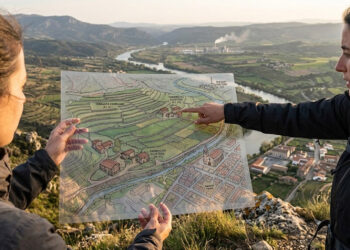
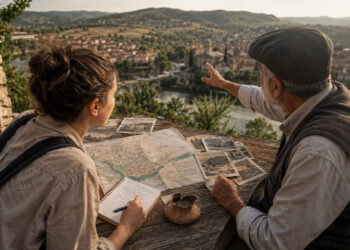
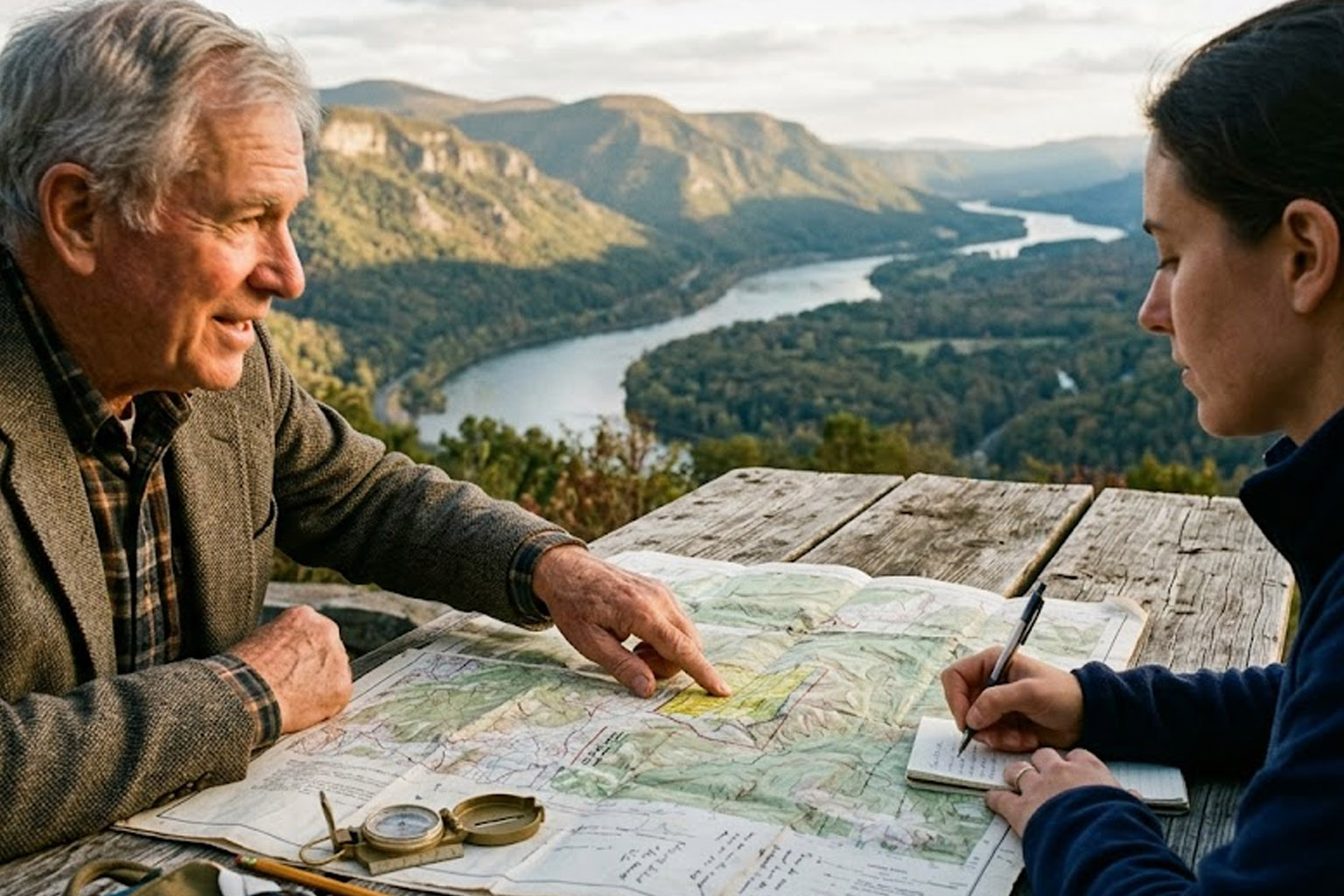
Regions are more than administrative lines: they are living tapestries woven from terrain, resources, and human memory. The physical landscape influences settlement patterns, economic life, and the symbolic meanings communities attach to place. Understanding regional history requires attention to how rivers, mountains, and coasts shape everyday choices and long-term developments. This article explores the interplay between geography, culture, and politics in forming regional identities.

Studying these connections enriches our view of past events and informs how present communities interpret their origins and futures.

Geography and Economic Development

Topography and access to resources often determine the economic strategies available to a region, from agriculture to trade and industry. Valleys channel transportation paths, while natural harbors become hubs of exchange and cultural contact. These economic patterns, once established, tend to generate institutions and infrastructures that persist across generations. Historians trace how early economic choices linked to landscape create durable advantages or constraints.

  • Riverine areas frequently foster dense settlements and market networks.
  • Mountainous regions can encourage fragmented political structures and localized economies.

Examining material conditions helps explain why certain regions developed distinctive social hierarchies and economic specializations.

Cultural Practices and Memory

Landscape also shapes cultural life: seasonal cycles, agricultural calendars, and local resources influence rituals, crafts, and storytelling. Collective memory often anchors itself to prominent natural features, turning them into landmarks of identity and sites of commemoration. Folklore and place-names encode historical experiences and migrations, preserving knowledge that formal records may omit. Cultural historians use these traces to reconstruct everyday life and shifting identities over time.

  • Festivals can reflect harvest rhythms tied to specific ecological conditions.
  • Oral histories frequently reference landscape markers as mnemonic devices.

By reading cultural practices against the map, we gain insight into how communities adapt and imagine themselves within particular environments.

Politics, Boundaries, and Change

Political borders rarely align neatly with ecological zones, which creates tensions that shape conflict and cooperation. Resource competition, strategic positions, and mobility routes influence how authorities draw boundaries and govern populations. Over time, environmental changes, technological advances, and economic shifts can transform the importance of landscape features. Scholars examine how such transitions reconfigure regional power, migration flows, and identity politics.

  • Infrastructure projects can redefine the connectivity of a region.
  • Climatic shifts may force adaptations in livelihoods and settlement.

Recognizing these dynamics deepens our understanding of regional resilience and the contingency of historical outcomes.

Conclusion

Landscapes are active participants in regional history, shaping economies, cultures, and politics in intertwined ways. Attending to physical terrain alongside social processes yields a richer, place-sensitive narrative of the past. This perspective invites more nuanced research and helps communities interpret their heritage within its environmental context.
Previous Post

How to Define Useful Periods in Historical Study

Next Post

Regional Narratives: Tracing Place, People, and Memory

Related Posts

How Oysters Shaped the Chesapeake’s Past and Present
Regions

How Oysters Shaped the Chesapeake’s Past and Present

August 28, 2026
Corsica’s Rocky Turn: Genoese Towers, Paoli, and an Island’s Identity
Regions

Corsica’s Rocky Turn: Genoese Towers, Paoli, and an Island’s Identity

August 28, 2026
Mapping Cultural Layers Across Distinct Regional Landscapes
Regions

Mapping Cultural Layers Across Distinct Regional Landscapes

August 28, 2026
Regional Narratives: Tracing Place, People, and Memory
Regions

Regional Narratives: Tracing Place, People, and Memory

August 28, 2026
Next Post
Regional Narratives: Tracing Place, People, and Memory

Regional Narratives: Tracing Place, People, and Memory

Search..

No Result
View All Result

Recent Articles

How the Rosetta Stone Broke Egypt’s Silent Code

How the Rosetta Stone Broke Egypt’s Silent Code

August 29, 2026
How the First Transatlantic Telegraph Shrunk the World

How the First Transatlantic Telegraph Shrunk the World

August 29, 2026
How Oysters Shaped the Chesapeake’s Past and Present

How Oysters Shaped the Chesapeake’s Past and Present

August 28, 2026
Corsica’s Rocky Turn: Genoese Towers, Paoli, and an Island’s Identity

Corsica’s Rocky Turn: Genoese Towers, Paoli, and an Island’s Identity

August 28, 2026
Mapping Cultural Layers Across Distinct Regional Landscapes

Mapping Cultural Layers Across Distinct Regional Landscapes

August 28, 2026

Subscribe Us

By clicking submit, I authorize History Ours and its affiliated companies to: (1) use, sell, and share my information for marketing purposes, including cross-context behavioral advertising, as described in our Terms of Service and Privacy Policy, (2) supplement the information that I provide with additional information lawfully obtained from other sources, like demographic data from public sources, interests inferred from web page views, or other data relevant to what might interest me, like past purchase or location data, (3) contact me or enable others to contact me by email with offers for goods and services from any category at the email address provided, and (4) retain my information while I am engaging with marketing messages that I receive and for a reasonable amount of time thereafter. I understand I can opt out at any time through an email that I receive, or by clicking here

Subscribe To Our Newsletter

By clicking submit, I authorize History Ours and its affiliated companies to: (1) use, sell, and share my information for marketing purposes, including cross-context behavioral advertising, as described in our Terms of Service and Privacy Policy, (2) supplement the information that I provide with additional information lawfully obtained from other sources, like demographic data from public sources, interests inferred from web page views, or other data relevant to what might interest me, like past purchase or location data, (3) contact me or enable others to contact me by email with offers for goods and services from any category at the email address provided, and (4) retain my information while I am engaging with marketing messages that I receive and for a reasonable amount of time thereafter. I understand I can opt out at any time through an email that I receive, or by clicking here.

© 2026 History Ours | All Rights Reserved

  • Contact Us
  • Privacy Policy
  • Terms of Service
  • Unsubscribe
  • Privacy Choices
  • Contact Us
  • Privacy Policy
  • Terms of Service
  • Unsubscribe
  • Privacy Choices

© 2026 History Ours | All Rights Reserved

No Result
View All Result
  • Home
  • History
  • Biographies
  • Eras
  • Regions
  • Timeline

© 2026 History Ours | All Rights Reserved

Skip to content
Open toolbar Accessibility Tools

Accessibility Tools

  • Increase TextIncrease Text
  • Decrease TextDecrease Text
  • GrayscaleGrayscale
  • High ContrastHigh Contrast
  • Negative ContrastNegative Contrast
  • Light BackgroundLight Background
  • Links UnderlineLinks Underline
  • Readable FontReadable Font
  • Reset Reset