
Regions develop distinct rhythms when seasonal work, weather, and the calendar intersect.
Over generations, schedules of planting, harvesting, fishing, and construction shape not only economies but everyday habits and social ties.
These routines leave visible traces in festivals, housing patterns, and local craft specializations.
Understanding seasonal work provides a practical lens on how regions accumulate shared meanings.
Seasonal Labor and Local Rhythms
Seasonal labor orders time in ways that become culturally meaningful. Patterns of migration, casual labor, and cooperative harvest work build networks that extend beyond households. Communities often synchronize obligations and celebrations around predictable busy and slow periods. These shared temporal structures influence who gathers, who moves, and how skills are transmitted across generations.
- Harvest festivals that mark the end of field work.
- Winter craft cycles such as spinning, weaving, or boat repair.
- Temporary labor migrations tied to planting or fishing seasons.
These examples show how time-use becomes a marker of belonging. Even when technologies change, the social calendars rooted in seasonal work can persist.
Trade, Rituals, and Material Culture
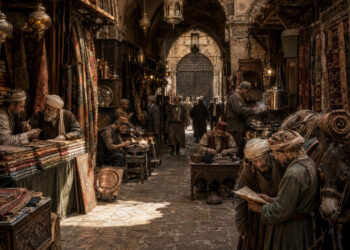
Trade routes and ritual calendars respond to seasonal constraints and in turn shape material culture. Market days timed between harvests create focal points for exchange, news, and cultural performance. Rituals that accompany sowing and reaping imprint symbolic meanings on everyday objects and places. Over time, local crafts, storage solutions, and ceremonial goods reflect adaptations to these cyclical demands.
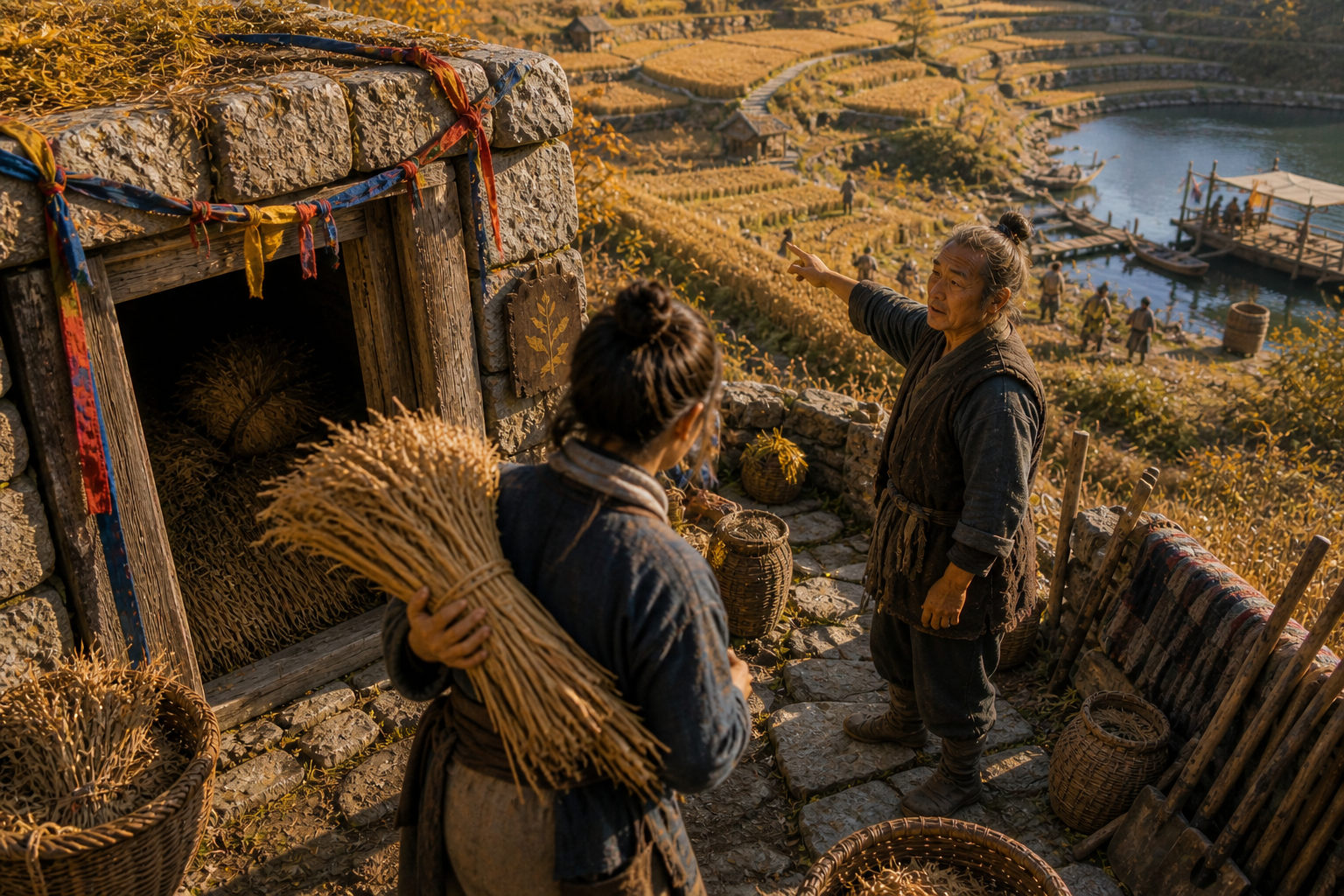
- Communal granaries and storage practices adapted to harvest cycles.
- Specialized tools and clothing developed for seasonal tasks.
- Marketplaces that open at particular times of year to match production.
Reading these material traces helps historians link economy and culture. Objects and spaces preserve evidence of how communities organized seasonal life.
Mapping Memory through Everyday Infrastructure
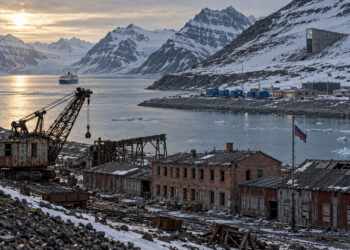
Paths, field boundaries, and seasonal shelters are infrastructural memories of repetitive work. Tracks laid down by repeated movement become formal routes that shape settlements and trade. Landscape features such as terraces, irrigation ditches, and temporary quays record long-term responses to seasonal labor needs. Such infrastructures anchor stories about collective endurance and practical knowledge.
- Field terraces signaling long-term agricultural adaptation.
- Seasonal docks and storage sheds indicating past fishing or trade peaks.
These material features function as living archives in the landscape. Interpreting them alongside oral accounts reveals how everyday work made regional identities.
Conclusion
Seasonal work embeds time, craft, and space into regional culture.
By examining labor rhythms, material traces, and infrastructure we can read how communities made meaning from the calendar of work.
This perspective enriches regional history with attention to everyday practices and long-term continuity.