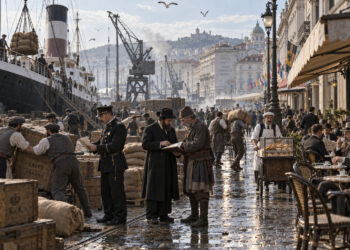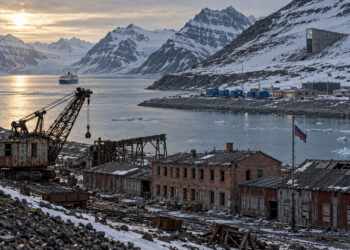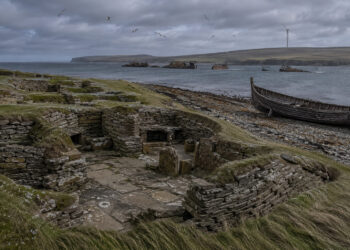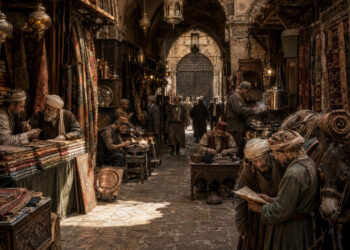
Regions are shaped as much by routine movement and mundane exchange as by grand events. Everyday patterns of travel, trade, work and ritual create channels through which ideas, goods, and meanings flow. Paying attention to those practical routes reveals how communities knit themselves across space over generations. This article explores how ordinary practices build durable regional histories and how scholars can read those traces.
Invisible Routes and Material Flows
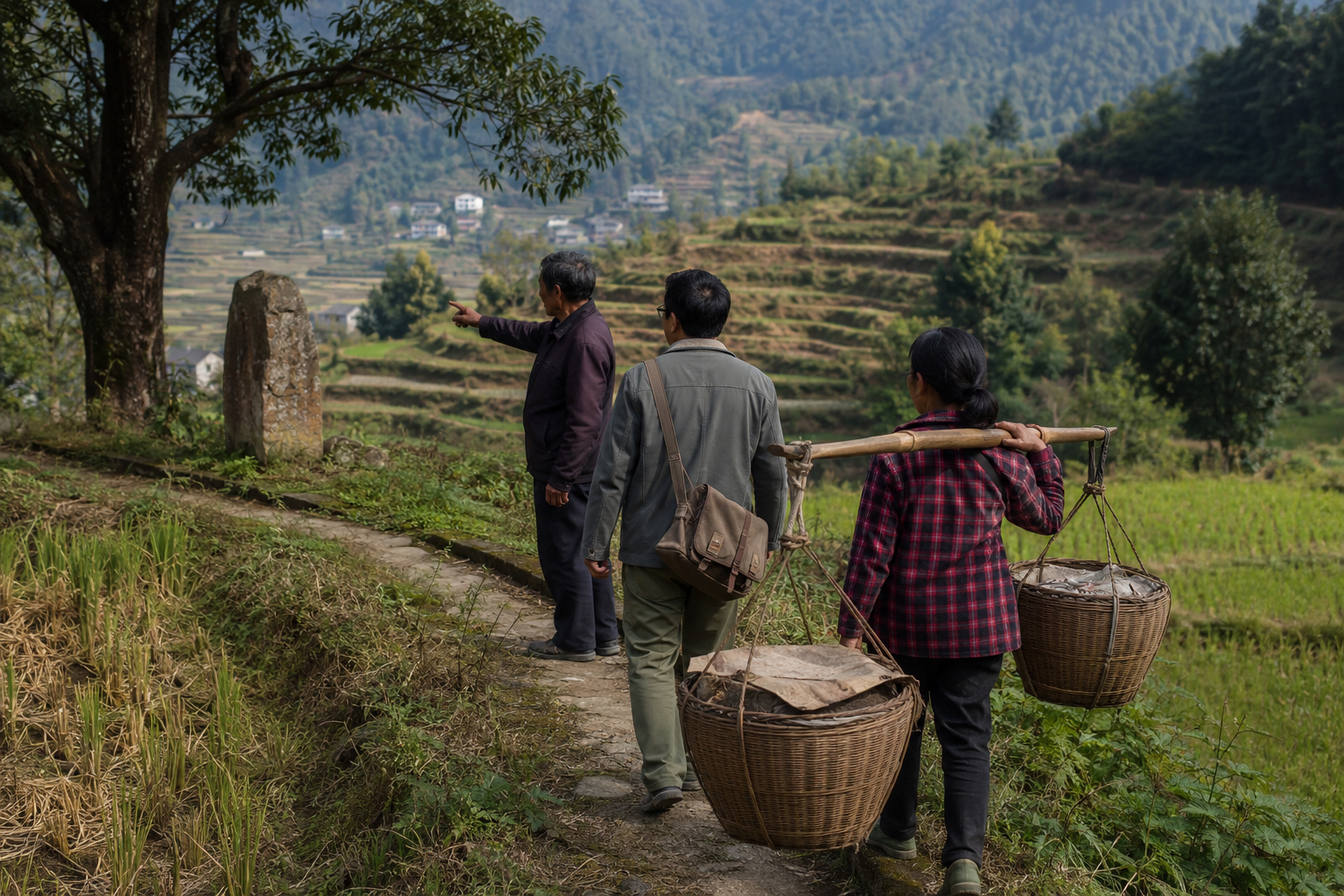
Paths people take daily — to markets, fields, places of worship, and communal sites — accumulate into what might be called invisible routes. Those routes leave material traces in road surfaces, hedgerows, place names, and reused buildings, forming a layer of evidence beneath formal maps. Small-scale exchanges such as remittance, seasonal labor, or barter create reciprocal links that align distant localities into a coherent regional pattern. Tracing these flows helps explain why particular towns become hubs and why some landscapes gain symbolic significance.
Researchers use diaries, account books, and oral testimonies to reconstruct those habitual movements. Combining material and narrative sources uncovers the routines that sustain regional cohesion and everyday governance across generations.
Institutions, Markets, and Everyday Structures
Institutions like local markets, guilds, parish assemblies, and schools mediate ordinary life and anchor social networks across a region. They standardize practices, create rhythms of attendance and exchange, and embed shared norms that outlast individual actors. Market days, fairs, and ritual calendars generate recurring encounters that produce trust and reputation between communities. These structures also adapt to external pressures, absorbing innovations while preserving continuity in practice.
Paying attention to institutional rhythms reveals how regions adapt and persist through change. It shows that continuity often hides a flexible core of everyday negotiation.
Reading Landscape Memory and Making Meaning
Landscapes themselves store memories: boundary stones, commemorative trees, terracing, and abandoned workshops signal past practices. Local narratives attached to these features turn material traces into shared stories about belonging and difference. Museums, archives, and community projects can amplify everyday memories into regional narratives, but they also select what counts as heritage. Critical reading of both objects and stories helps reconstruct contested pasts and multiple temporalities within a region.
Engaging communities in interpreting these traces yields richer, more inclusive histories and strengthens civic claims. It also democratizes the production of regional knowledge.
Conclusion
Paying attention to invisible routes and everyday institutions shifts the focus from static borders to lived connections. Reading landscapes and routine practices together offers a method for tracing long-term regional formation. That approach foregrounds ordinary people’s roles in shaping the past and opens pathways for more inclusive histories.