Uncover History’s Secrets with Daily Updates!
Daily News Entertainment
  • Home
  • History
  • Biographies
  • Eras
  • Regions
  • Timeline
No Result
View All Result
History Ours
  • Home
  • History
  • Biographies
  • Eras
  • Regions
  • Timeline
No Result
View All Result
History Ours
No Result
View All Result
Home Regions

Invisible Routes: How Daily Life Crafts Regional Histories

in Regions
Invisible Routes: How Daily Life Crafts Regional Histories

Regions are shaped as much by routine movement and mundane exchange as by grand events. Everyday patterns of travel, trade, work and ritual create channels through which ideas, goods, and meanings flow. Paying attention to those practical routes reveals how communities knit themselves across space over generations. This article explores how ordinary practices build durable regional histories and how scholars can read those traces.

Invisible Routes and Material Flows

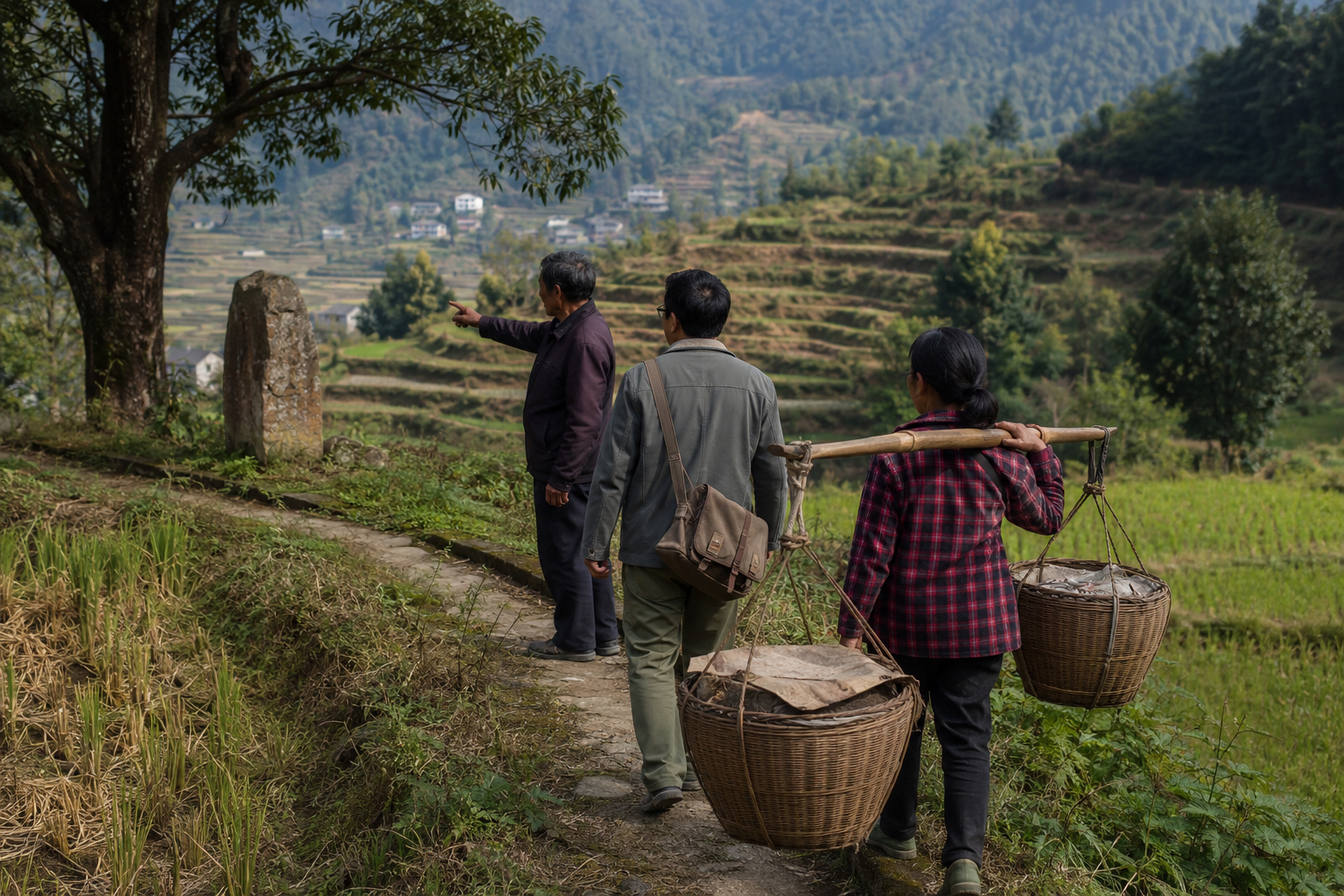
Paths people take daily — to markets, fields, places of worship, and communal sites — accumulate into what might be called invisible routes. Those routes leave material traces in road surfaces, hedgerows, place names, and reused buildings, forming a layer of evidence beneath formal maps. Small-scale exchanges such as remittance, seasonal labor, or barter create reciprocal links that align distant localities into a coherent regional pattern. Tracing these flows helps explain why particular towns become hubs and why some landscapes gain symbolic significance.

Researchers use diaries, account books, and oral testimonies to reconstruct those habitual movements. Combining material and narrative sources uncovers the routines that sustain regional cohesion and everyday governance across generations.

Institutions, Markets, and Everyday Structures

Institutions like local markets, guilds, parish assemblies, and schools mediate ordinary life and anchor social networks across a region. They standardize practices, create rhythms of attendance and exchange, and embed shared norms that outlast individual actors. Market days, fairs, and ritual calendars generate recurring encounters that produce trust and reputation between communities. These structures also adapt to external pressures, absorbing innovations while preserving continuity in practice.

Paying attention to institutional rhythms reveals how regions adapt and persist through change. It shows that continuity often hides a flexible core of everyday negotiation.

Reading Landscape Memory and Making Meaning

Landscapes themselves store memories: boundary stones, commemorative trees, terracing, and abandoned workshops signal past practices. Local narratives attached to these features turn material traces into shared stories about belonging and difference. Museums, archives, and community projects can amplify everyday memories into regional narratives, but they also select what counts as heritage. Critical reading of both objects and stories helps reconstruct contested pasts and multiple temporalities within a region.

Engaging communities in interpreting these traces yields richer, more inclusive histories and strengthens civic claims. It also democratizes the production of regional knowledge.

Conclusion

Paying attention to invisible routes and everyday institutions shifts the focus from static borders to lived connections. Reading landscapes and routine practices together offers a method for tracing long-term regional formation. That approach foregrounds ordinary people’s roles in shaping the past and opens pathways for more inclusive histories.
Previous Post

Material Routes: Everyday Objects and the Boundaries of Region

Next Post

Mapping Events into Insightful, Usable Historical Timelines

Related Posts

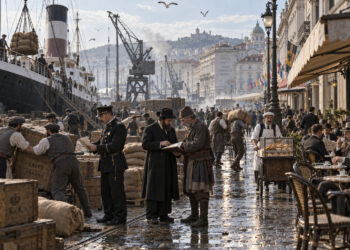
Trieste: A Port at the Edge of Empires
Regions

Trieste: A Port at the Edge of Empires

September 15, 2026
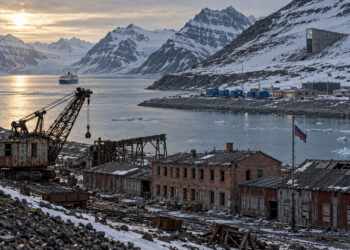
Svalbard: How a Frozen Archipelago Became an International Outpost
Regions

Svalbard: How a Frozen Archipelago Became an International Outpost

September 15, 2026
Orkney: Where Norse Law and Scottish Life Intertwined
Regions

Orkney: Where Norse Law and Scottish Life Intertwined

September 15, 2026
Inside the Covered Streets: The Grand Bazaar and Istanbul’s Life
Regions

Inside the Covered Streets: The Grand Bazaar and Istanbul’s Life

September 15, 2026
Next Post
Mapping Events into Insightful, Usable Historical Timelines

Mapping Events into Insightful, Usable Historical Timelines

Search..

No Result
View All Result

Recent Articles

Edo: Japan’s Urban Revolution of Lanterns and Printshops

Edo: Japan’s Urban Revolution of Lanterns and Printshops

September 16, 2026
How the Little Ice Age Changed Everyday Life in Europe

How the Little Ice Age Changed Everyday Life in Europe

September 16, 2026
The Disguise That Broke Chains: Ellen and William Craft

The Disguise That Broke Chains: Ellen and William Craft

September 15, 2026
Bass Reeves: The Marshal Who Hunted Outlaws in Indian Territory

Bass Reeves: The Marshal Who Hunted Outlaws in Indian Territory

September 15, 2026
How the Crystal Palace Turned Glass and Iron into a Modern Stage

How the Crystal Palace Turned Glass and Iron into a Modern Stage

September 15, 2026

Subscribe Us

By clicking submit, I authorize History Ours and its affiliated companies to: (1) use, sell, and share my information for marketing purposes, including cross-context behavioral advertising, as described in our Terms of Service and Privacy Policy, (2) supplement the information that I provide with additional information lawfully obtained from other sources, like demographic data from public sources, interests inferred from web page views, or other data relevant to what might interest me, like past purchase or location data, (3) contact me or enable others to contact me by email with offers for goods and services from any category at the email address provided, and (4) retain my information while I am engaging with marketing messages that I receive and for a reasonable amount of time thereafter. I understand I can opt out at any time through an email that I receive, or by clicking here

Subscribe To Our Newsletter

By clicking submit, I authorize History Ours and its affiliated companies to: (1) use, sell, and share my information for marketing purposes, including cross-context behavioral advertising, as described in our Terms of Service and Privacy Policy, (2) supplement the information that I provide with additional information lawfully obtained from other sources, like demographic data from public sources, interests inferred from web page views, or other data relevant to what might interest me, like past purchase or location data, (3) contact me or enable others to contact me by email with offers for goods and services from any category at the email address provided, and (4) retain my information while I am engaging with marketing messages that I receive and for a reasonable amount of time thereafter. I understand I can opt out at any time through an email that I receive, or by clicking here.

© 2026 History Ours | All Rights Reserved

  • Contact Us
  • Privacy Policy
  • Terms of Service
  • Unsubscribe
  • Privacy Choices
  • Contact Us
  • Privacy Policy
  • Terms of Service
  • Unsubscribe
  • Privacy Choices

© 2026 History Ours | All Rights Reserved

No Result
View All Result
  • Home
  • History
  • Biographies
  • Eras
  • Regions
  • Timeline

© 2026 History Ours | All Rights Reserved

Skip to content
Open toolbar Accessibility Tools

Accessibility Tools

  • Increase TextIncrease Text
  • Decrease TextDecrease Text
  • GrayscaleGrayscale
  • High ContrastHigh Contrast
  • Negative ContrastNegative Contrast
  • Light BackgroundLight Background
  • Links UnderlineLinks Underline
  • Readable FontReadable Font
  • Reset Reset