Studying regions means attending to layers of activity, memory, and material evidence that make place intelligible to people over time. Local landscapes—fields, streets, markets, sacred sites—carry traces of everyday decisions and longer political projects. Paying attention to ordinary practices helps reveal how communities produce belonging and change across generations. This piece outlines practical ways to read places and connect microhistories to wider regional patterns.
Everyday Places and Material Traces
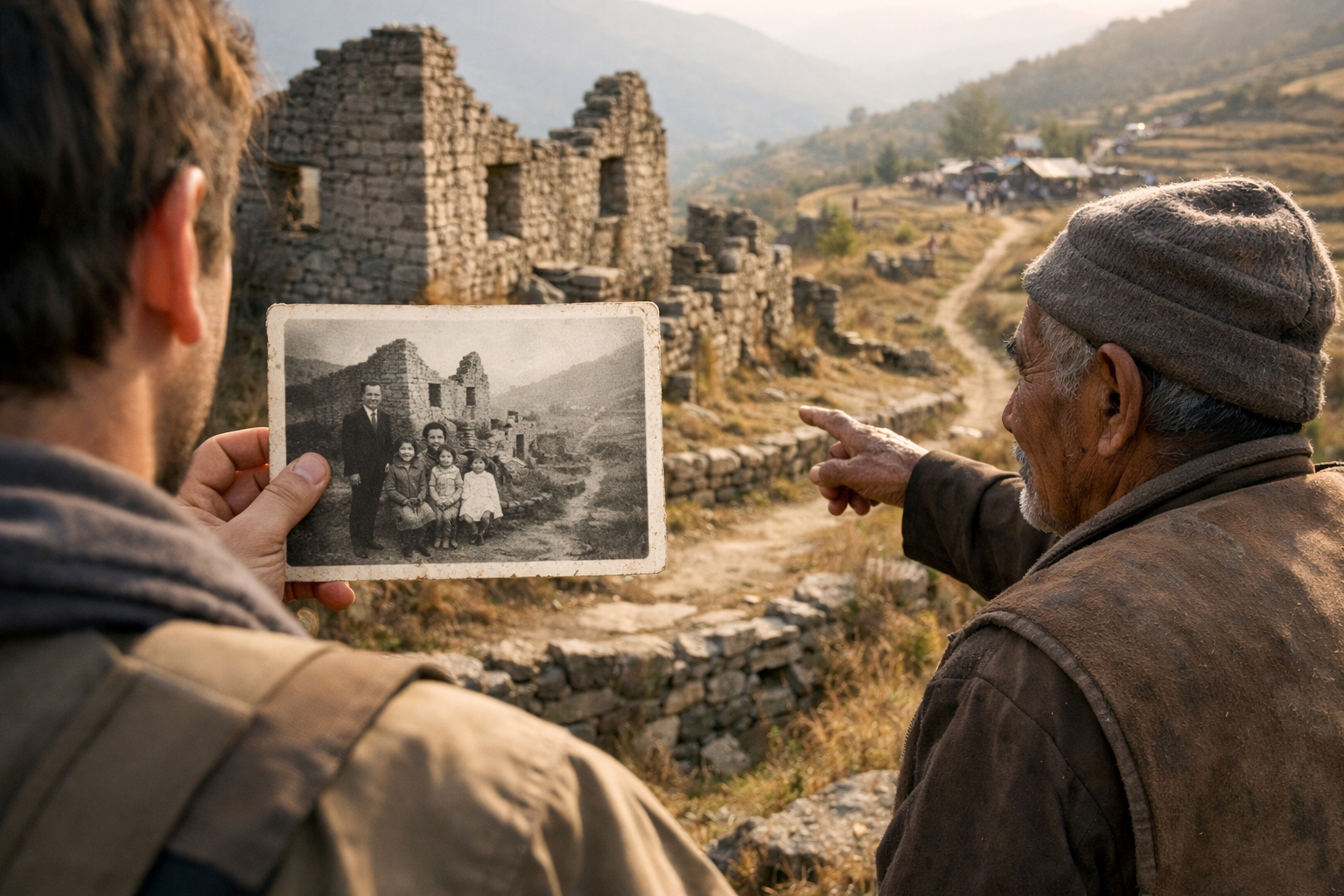
Material remains are often the most direct evidence of past routines: building foundations, worn pathways, garden terraces, and reused objects tell stories at human scale. Field boundaries and house plans map economic strategies and seasonal rhythms that written records may not capture. Oral recollections and family archives can corroborate or contradict visible traces, prompting reinterpretation. Interdisciplinary fieldwork—combining maps, archaeology, and interviews—helps assemble a more nuanced local narrative.
This attention to materiality grounds regional claims in everyday experience rather than abstraction. It also opens questions about preservation and whose stories endure.
Networks, Practices, and Regional Connections
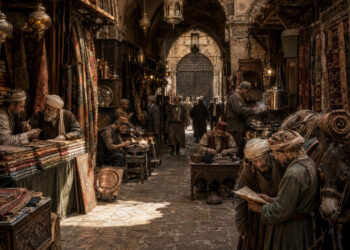
Regions emerge from the movement of goods, people, and ideas across scales, not from fixed borders drawn on a map. Markets, pilgrimage routes, and seasonal labor link settlements and create shared rhythms that define a region. Studying these flows highlights how local customs adapt in response to external pressures and opportunities. Network-focused approaches reveal nodes of exchange that often become centers of memory and authority.
Tracing networks requires attention to both mobility and constraint, including infrastructure and policy histories. Such work repositions so-called peripheral places as active participants in larger processes.
Archival Habits and Local Memory
Archives are social products shaped by decisions about what to keep, where, and by whom; local collections therefore demand critical reading. Everyday documents—letters, account books, petitions—often speak more directly to lived experience than official gazettes. Community archives and digital projects can democratize access and surface marginal voices that traditional archives overlooked. Curatorship and interpretation remain political acts that influence which narratives become authoritative over time.
Supporting local archival work requires training, resources, and collaborative frameworks that respect community priorities. When done thoughtfully, it enriches both scholarship and public understanding.
Conclusion
Reconstructing place histories is a practice of attentive listening to material traces, social networks, and archival choices. By combining methods and centering local voices we can produce regional histories that are both rigorous and resonant. Such histories help communities understand change and imagine shared futures.