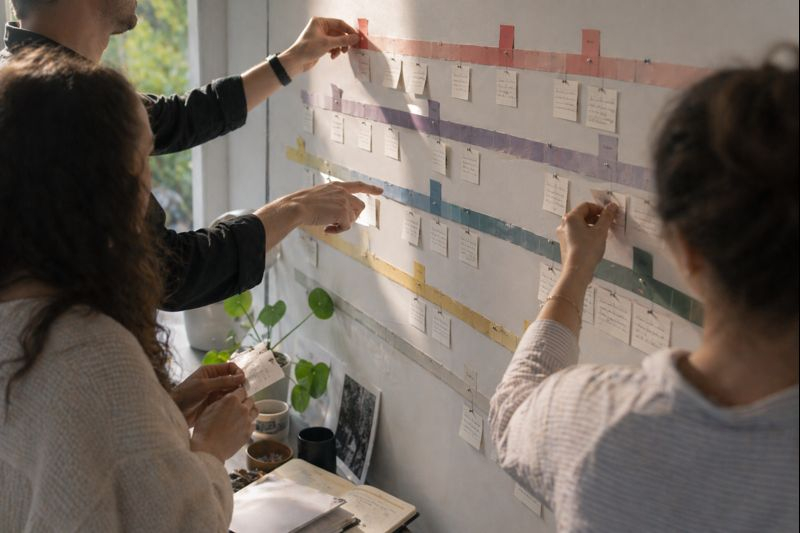
Timelines are a powerful way to present history, but they can easily overwhelm readers if detail and scope are not balanced. A compact, well-structured timeline highlights relationships between events while preserving context and readability. This article outlines practical design choices that keep complexity manageable without flattening nuance. The recommendations focus on clarity, scale, and an efficient research workflow. Design choices also affect accessibility and adaptability across platforms.
Principles of Clear Timeline Design
Start by defining the timeline’s purpose and central questions; every entry should serve that narrative focus. Use consistent scales, clear labels, and restrained color to help readers parse patterns at a glance. Prioritize entries that illuminate connections or turning points rather than cataloging every date. Thoughtful captions and short explanatory notes maintain meaning without overloading the visual field. Simple icons and brief images can support rapid recognition when used sparingly.
These principles create a predictable reading experience that supports comprehension. They also make editorial choices transparent to audiences. Document selection criteria for transparency.
Managing Scale and Layering
Show temporal layers selectively to accommodate different audiences — for example, a broad political timeline with a secondary cultural layer available on demand. Graphic techniques such as bands, nested timelines, or collapsible lanes allow multiple scales to coexist. Emphasize anchors and intervals that orient readers, like decades or major events, so micro-events remain intelligible. Consider spatial constraints and the viewing distance to determine label size and density. Pilot versions with representative users reveal where layers confuse rather than clarify.
Layering lets you reveal depth without sacrificing immediate comprehension. The key is giving users control over how much detail they see. Provide exportable or print-friendly views for offline study.
Workflow and Tools for Accuracy
A reliable research workflow ensures a timeline’s credibility: source tracking, version control, and clear attribution are essential. Begin with a spreadsheet that records dates, sources, and interpretation notes before moving to visualization tools. Choose software that supports iterative editing and exports high-resolution graphics suitable for both web and print. Incorporate peer review or stakeholder feedback early to catch misinterpretations and fill gaps. Keep a public changelog so corrections and additions are traceable over time.
An organized workflow keeps the project scalable and defensible. Good tools accelerate revisions and support accessibility improvements. Plan periodic audits to update sources and correct errors.
Conclusion
Compact timeline design balances storytelling and evidence to make complex histories approachable. By applying clear principles, managing layers thoughtfully, and keeping a disciplined workflow, you help audiences understand continuity and change. Small editorial decisions yield timelines that are informative, usable, and trustworthy.