Uncover History’s Secrets with Daily Updates!
Daily News Entertainment
  • Home
  • History
  • Biographies
  • Eras
  • Regions
  • Timeline
No Result
View All Result
History Ours
  • Home
  • History
  • Biographies
  • Eras
  • Regions
  • Timeline
No Result
View All Result
History Ours
No Result
View All Result
Home Regions

Mapping the Layers of Historical Regions and Influence

in Regions
Mapping the Layers of Historical Regions and Influence

Introduction

Historical regions are more than drawn lines; they are overlapping layers of human activity, memory, and governance that persist across time. Recognizing these regions explains shared practices, settlement patterns, and cultural landscapes that formal borders do not always capture. While political boundaries change, regional affinities often follow trade routes, dialects, and institutional histories. This article outlines how historical regions form, why they matter, and how they continue to influence contemporary life.

How Historical Regions Are Defined

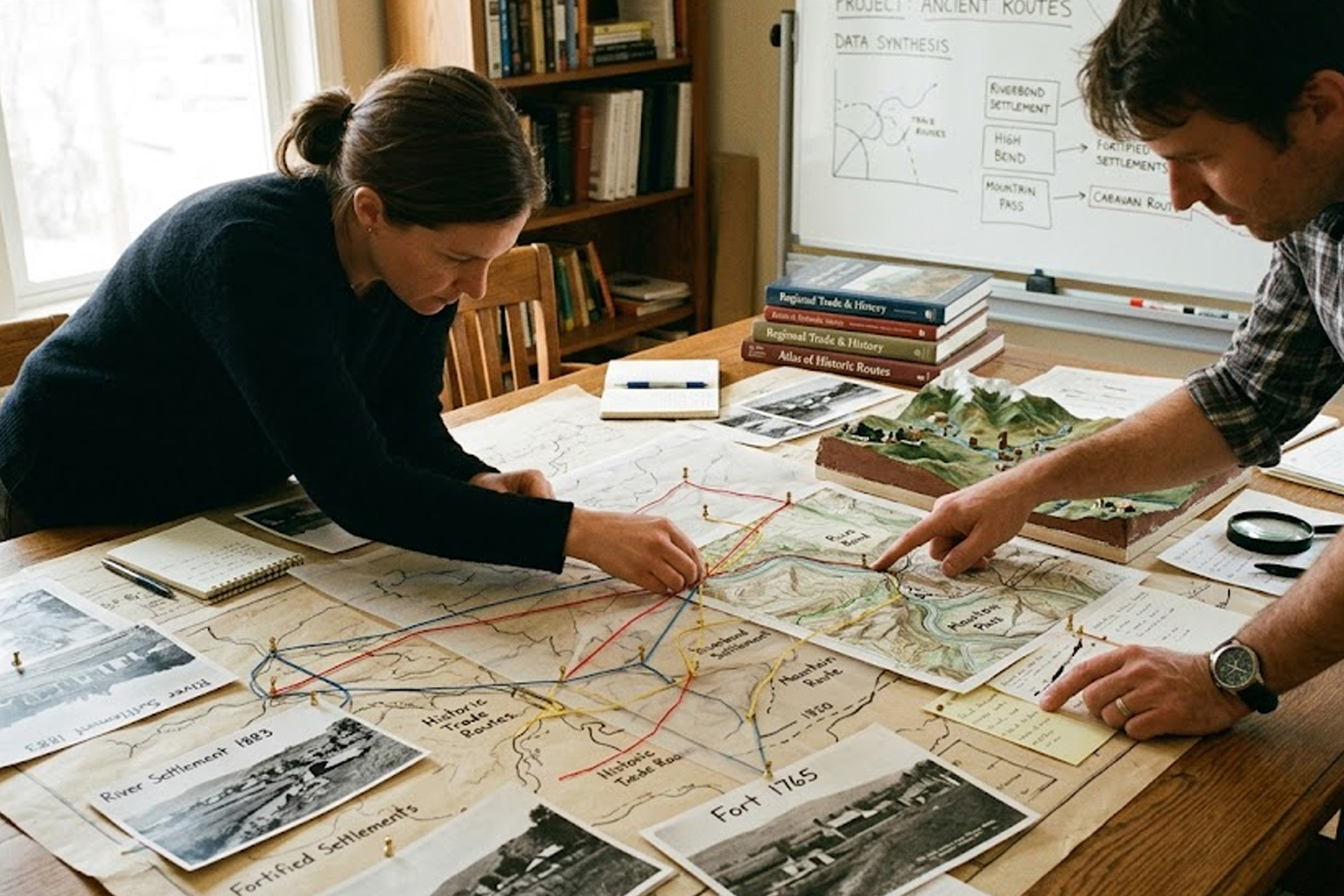
Historical regions emerge from a combination of natural features, economic networks, and social practices that accumulate over generations. Rivers, mountain passes, and coastlines direct movement and commerce, while markets and craft specializations bind communities together. Administrative acts sometimes attempt to impose new borders, yet the lived geography of language, law, and custom often tells a different story. Researchers draw on maps, archival sources, and material culture to reveal these durable regional shapes.

Identifying defining characteristics helps differentiate regions that look similar on modern maps. This approach clarifies why some areas share legal traditions or agricultural methods despite political separation.

Cultural and Economic Threads

Cultural expression and economic exchange are central threads weaving historical regions into coherent wholes. Shared festivals, architectural styles, and religious practices reinforce group identity, while trade links distribute goods, skills, and ideas across a territory. Migration patterns and intermarriage can extend cultural influence beyond administrative limits, creating zones of hybrid identity. Over time these interactions form recognizable regional profiles that inform local governance and community memory.

Mapping those threads reveals connections that support tourism, education, and sustainable local economies. It also highlights vulnerabilities where economic shifts may disrupt long-standing regional networks.

Preservation, Change, and Modern Governance

Efforts to preserve regional heritage must balance conservation with contemporary needs and development pressures. Policy choices, infrastructure projects, and economic restructuring can either reinforce regional coherence or erode it by redirecting trade and employment. At the same time, local initiatives, museums, and cultural programs can revitalize regional narratives and support identity-driven planning. Recognizing historical regions in governance encourages policies sensitive to place-based strengths and histories.

Collaboration between scholars, planners, and communities produces more resilient and meaningful regional strategies. This cooperation ensures that past legacies inform rather than restrict future possibilities.

Conclusion

Historical regions are living frameworks that link past processes to present realities. Paying attention to their layers improves planning, interpretation, and cultural stewardship. A regional perspective helps communities make informed choices grounded in long-term patterns.
Previous Post

Everyday Life During the Industrial Revolution Era

Next Post

How Historical Regions Shape Identity and Landscape

Related Posts

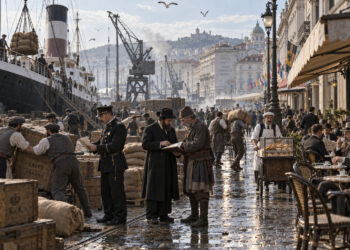
Trieste: A Port at the Edge of Empires
Regions

Trieste: A Port at the Edge of Empires

September 15, 2026
Svalbard: How a Frozen Archipelago Became an International Outpost
Regions

Svalbard: How a Frozen Archipelago Became an International Outpost

September 15, 2026
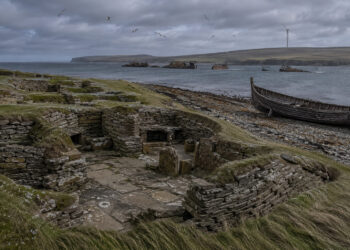
Orkney: Where Norse Law and Scottish Life Intertwined
Regions

Orkney: Where Norse Law and Scottish Life Intertwined

September 15, 2026
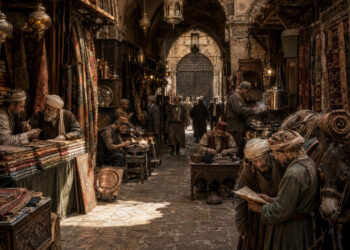
Inside the Covered Streets: The Grand Bazaar and Istanbul’s Life
Regions

Inside the Covered Streets: The Grand Bazaar and Istanbul’s Life

September 15, 2026
Next Post
How Historical Regions Shape Identity and Landscape

How Historical Regions Shape Identity and Landscape

Search..

No Result
View All Result

Recent Articles

The Disguise That Broke Chains: Ellen and William Craft

The Disguise That Broke Chains: Ellen and William Craft

September 15, 2026
Bass Reeves: The Marshal Who Hunted Outlaws in Indian Territory

Bass Reeves: The Marshal Who Hunted Outlaws in Indian Territory

September 15, 2026
How the Crystal Palace Turned Glass and Iron into a Modern Stage

How the Crystal Palace Turned Glass and Iron into a Modern Stage

September 15, 2026
Anne Bonny: The Pirate Who Broke Rules and Expectations

Anne Bonny: The Pirate Who Broke Rules and Expectations

September 15, 2026
How Haiti Broke Its Chains: A 1791–1804 Timeline

How Haiti Broke Its Chains: A 1791–1804 Timeline

September 15, 2026

Subscribe Us

By clicking submit, I authorize History Ours and its affiliated companies to: (1) use, sell, and share my information for marketing purposes, including cross-context behavioral advertising, as described in our Terms of Service and Privacy Policy, (2) supplement the information that I provide with additional information lawfully obtained from other sources, like demographic data from public sources, interests inferred from web page views, or other data relevant to what might interest me, like past purchase or location data, (3) contact me or enable others to contact me by email with offers for goods and services from any category at the email address provided, and (4) retain my information while I am engaging with marketing messages that I receive and for a reasonable amount of time thereafter. I understand I can opt out at any time through an email that I receive, or by clicking here

Subscribe To Our Newsletter

By clicking submit, I authorize History Ours and its affiliated companies to: (1) use, sell, and share my information for marketing purposes, including cross-context behavioral advertising, as described in our Terms of Service and Privacy Policy, (2) supplement the information that I provide with additional information lawfully obtained from other sources, like demographic data from public sources, interests inferred from web page views, or other data relevant to what might interest me, like past purchase or location data, (3) contact me or enable others to contact me by email with offers for goods and services from any category at the email address provided, and (4) retain my information while I am engaging with marketing messages that I receive and for a reasonable amount of time thereafter. I understand I can opt out at any time through an email that I receive, or by clicking here.

© 2026 History Ours | All Rights Reserved

  • Contact Us
  • Privacy Policy
  • Terms of Service
  • Unsubscribe
  • Privacy Choices
  • Contact Us
  • Privacy Policy
  • Terms of Service
  • Unsubscribe
  • Privacy Choices

© 2026 History Ours | All Rights Reserved

No Result
View All Result
  • Home
  • History
  • Biographies
  • Eras
  • Regions
  • Timeline

© 2026 History Ours | All Rights Reserved

Skip to content
Open toolbar Accessibility Tools

Accessibility Tools

  • Increase TextIncrease Text
  • Decrease TextDecrease Text
  • GrayscaleGrayscale
  • High ContrastHigh Contrast
  • Negative ContrastNegative Contrast
  • Light BackgroundLight Background
  • Links UnderlineLinks Underline
  • Readable FontReadable Font
  • Reset Reset