
Regional identity is rarely produced by a single event or proclamation; it accrues through repeated practices, exchanges, and commemorations that bind people to place. Markets, festivals, and seasonal labor create rhythms that shape how communities understand themselves and their neighbors. These everyday institutions circulate goods and meanings, weaving networks that outlast political boundaries and short-lived policies. This article explores how trade, ritual, and material traces contribute to the long-term formation of regions.
Markets and Regional Networks
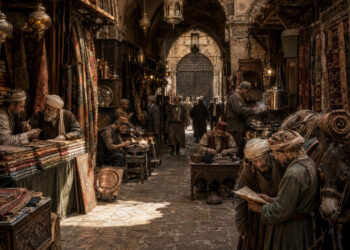
Markets and regional networks provide more than commerce; they are stages for social exchange and negotiation where people compare prices, reputations, and tastes. Weekly fairs, permanent marketplaces, and itinerant traders connect rural and urban spaces and allow patterns of labor, craft specialization, and information to travel across landscapes. Over time, particular market towns acquire reputations, specialized crafts, and merchant families whose presence anchors a wider hinterland and gives outsiders a sense of place. These networks remain flexible, adapting to seasonality and shifting demand while maintaining continuity in local relationships.
Examining market registers, stall maps, and oral memories helps trace how economic activity becomes embedded in communal life. Such evidence shows how trade practices are commemorated in festivals and place-names, shaping durable affiliations.
Rituals and Seasonal Life
Ritual calendars intersect with market rhythms: harvest festivals, communal labor days, and periodic commemorations mark the year into shared moments that tie people to land and to one another. These practices encode knowledge about crops, travel routes, kinship duties, and resource sharing, and they silently register who belongs and who is peripheral. When rituals recur in particular localities, they build durable meanings that both outsiders and insiders recognize and reproduce. Because rituals are performative, they conserve memory while allowing innovation that responds to changing circumstances.
Understanding seasonal rites alongside economic rhythms reveals how belonging is repeatedly produced rather than declared. It shows that identity is as much practice as narrative.
Everyday Institutions and Material Traces
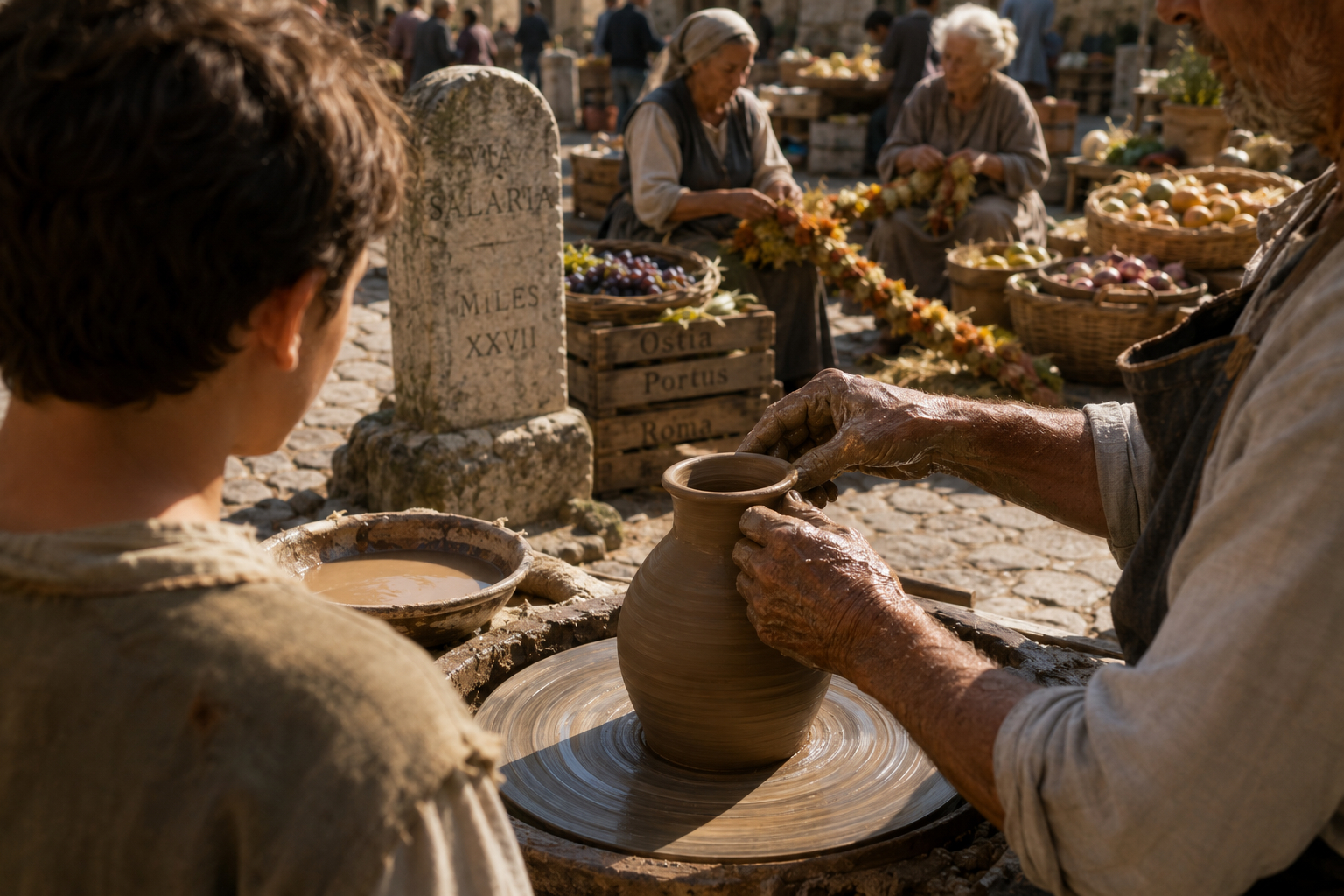
Schools, guilds, inns, and small courts shape daily routines and create records—ledgers, apprenticeship rolls, and repair accounts—that allow researchers to reconstruct regional patterns. Built environments, from road surfaces to river works and workshop layouts, leave material traces that reveal priorities, connections, and the direction of flows; pottery types, inscribed stones, and recycled timbers speak to exchanges across space. These artifacts, paired with oral testimony and local chronicles, disclose the mundane processes through which regions are made over decades and centuries. Focusing on materiality shifts analysis from formal maps and diplomatic acts to lived continuities.
Bringing together documentary sources and material evidence produces a fuller account of how places gain meaning. It emphasizes slow transformation and the layered character of regional identity.
Conclusion
Markets, rituals, and institutions act together over time.
They produce patterns of belonging that outlast political change.
Attending to these everyday processes reveals how regions are slowly constructed.