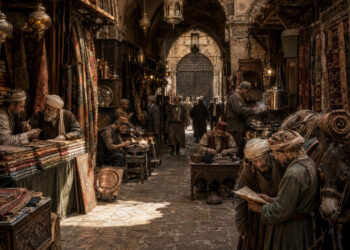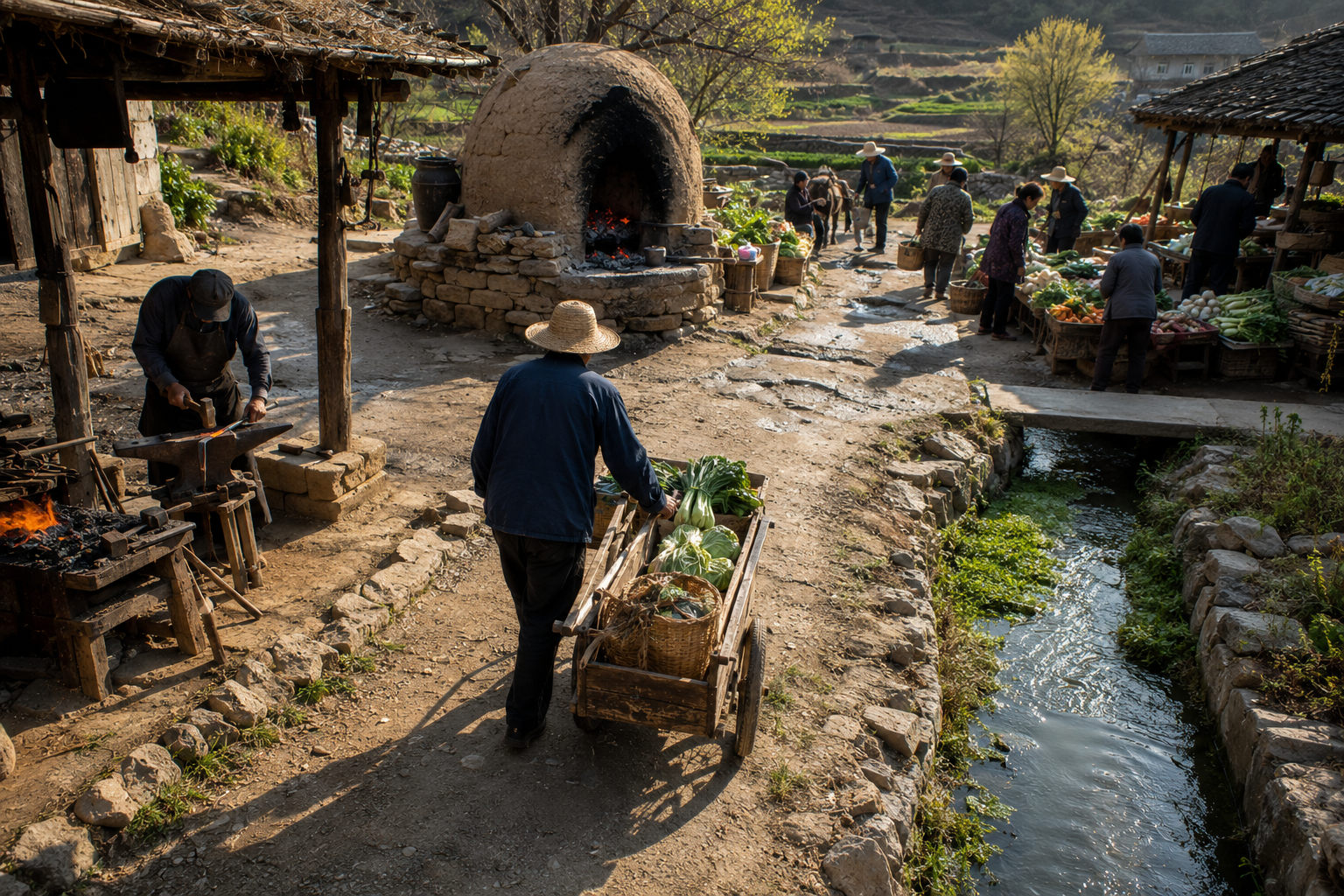
Regions are rarely formed by a single event or decree; they emerge through repeated practices, everyday choices, and local knowledge that accumulate over time. Farmers, artisans, traders, and ritual specialists all contribute routines that orient movement, craft space, and mark belonging. By tracing these ordinary acts we can recover regional forms that official records often overlook. This perspective treats the mundane as a durable archive of social life.
Everyday Practices as Regional Foundations
Daily labor patterns, seasonal rhythms, and common routines structure how people use landscapes and relate to one another across generations. Paths that began as footways can become trade routes; shared agricultural calendars produce synchronized festivals and mutual obligations. These repetitive practices stabilize expectations and create recognizable behaviors tied to particular places. Over time they make a region legible to insiders and shape how outsiders perceive and engage with it.
Taking practice seriously shifts the focus from dramatic events to continuity and adaptation. It helps explain why some communities persist while others change more rapidly.
Material Traces and Local Institutions
Built forms and artifacts—mills, bridges, communal ovens, market stalls—carry material evidence of how people organized work and exchange. Institutions that seem informal, such as neighborhood repair circles or credit networks, leave structural footprints in property patterns and settlement layouts. Archaeological remains and vernacular architecture often reveal long-standing arrangements that formal histories miss. Together, tangible traces and local institutions make intangible patterns visible.
- Physical infrastructure that supports routine work, like irrigation channels or lanes, shapes mobility and economic ties.
- Everyday objects and workshop layouts can indicate specialized crafts and interdependent labor systems.
Studying these traces complements documentary sources and enriches our understanding of regional coherence. It highlights the interplay between material constraints and social practices.
Trade, Ritual, and Mobility
Movement of people and goods binds places into networks that sustain regional identities. Regular markets, pilgrimage routes, and seasonal labor migrations create predictable flows that link distant communities. Ritual calendars synchronize activities and reinforce reciprocal obligations, anchoring social ties across space. These patterns make regions dynamic: they are shaped by exchange as much as by local continuity.
Focusing on mobility and ritual reveals the porous boundaries of regions and how external contacts are woven into local life. It underscores how connectivity and stability coexist in regional formation.
Conclusion
Reading regions through everyday practice foregrounds continuity, materiality, and networks as engines of historical formation. This lens recasts ordinary acts and artifacts as central evidence for how regions take shape and persist. It encourages historians to listen to the quiet work that builds durable senses of place.