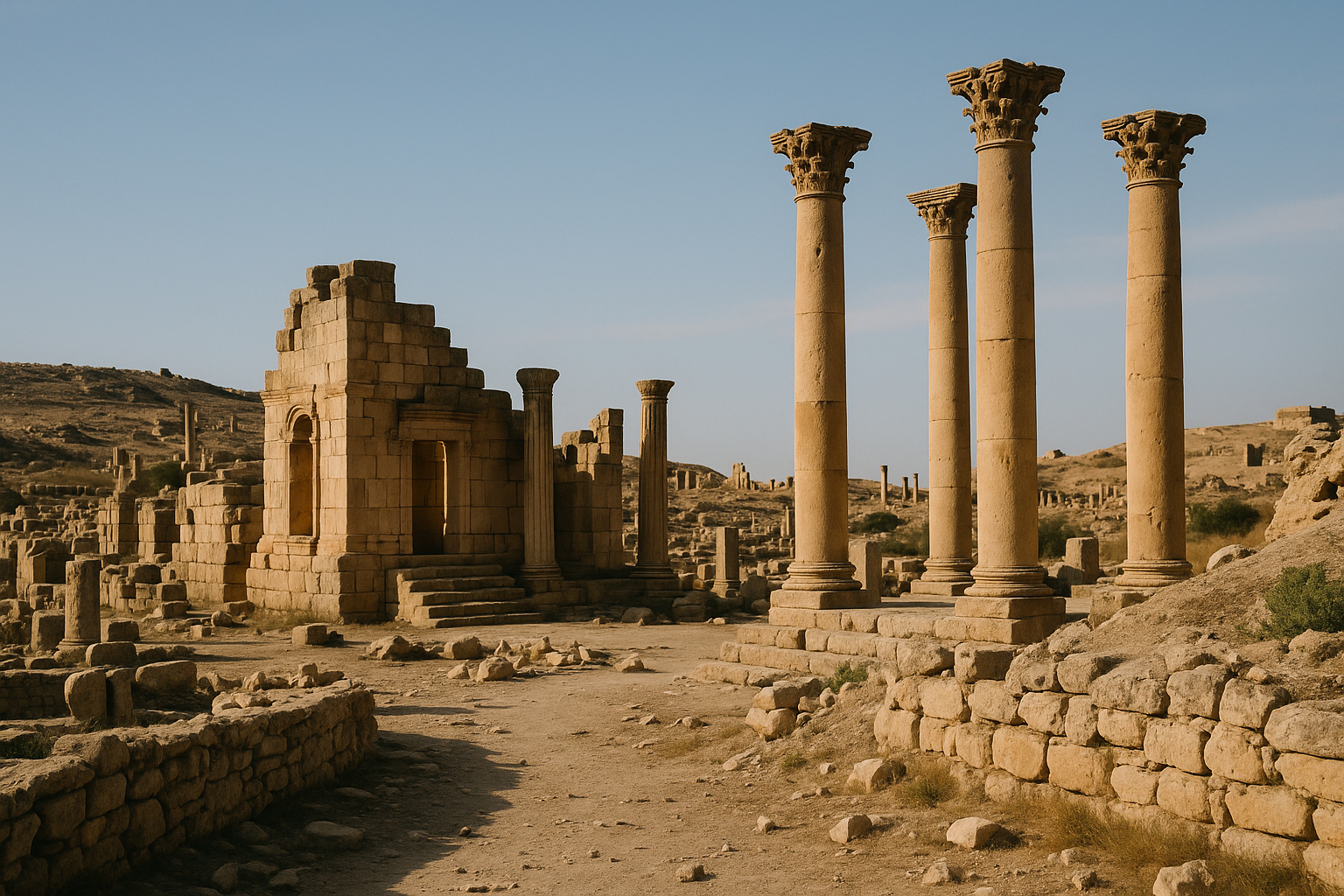
The Middle East holds a unique place in human history. Often called the birthplace of civilization, it is where writing, agriculture, cities, and complex societies first emerged. Ancient rivers, fertile lands, and early trade routes created the foundation for innovations that shaped the world. Exploring this region’s history reveals how deeply its early achievements influenced culture, politics, science, and human progress across centuries.
From the first settlements to the rise of powerful empires, the Middle East’s legacy continues to guide our understanding of civilization itself.
Where Early Societies First Took Shape
The Tigris and Euphrates rivers supported some of the world’s earliest communities. Mesopotamia—known as the “land between the rivers”—saw the rise of the Sumerians, Akkadians, Babylonians, and Assyrians. These civilizations developed farming techniques, irrigation systems, and city layouts that became models for future societies. Their innovations made permanent settlements possible and launched humanity into a new era of organized life.
The Birth of Writing, Law, and Learning
Many of the world’s first intellectual breakthroughs came from this region. The Sumerians created cuneiform, one of the earliest writing systems, allowing stories, laws, and records to be preserved. Babylon introduced early legal codes, including the famous Code of Hammurabi. Advances in mathematics, astronomy, and literature also flourished. These achievements laid the groundwork for modern governance, education, and scientific inquiry.
Trade, Culture, and the Spread of Ideas
The Middle East sat at the crossroads of Africa, Asia, and Europe, becoming a natural center for commerce and cultural exchange. Early trade routes linked civilizations and allowed ideas, goods, and beliefs to travel across continents. This exchange helped spark developments in art, architecture, medicine, and philosophy, influencing countless cultures throughout history.
Religion and the Roots of Global Belief Systems
The Middle East is the birthplace of major world religions including Judaism, Christianity, and Islam. These belief systems shaped global culture, ethics, and identity. Their teachings continue to influence billions of people today, demonstrating the region’s profound impact on spiritual and moral foundations worldwide.
Conclusion
The Middle East’s early civilizations created many of the systems and ideas that define human progress. From writing and law to culture and religion, this region shaped the foundations of modern society. Understanding its history helps us appreciate how deeply the birthplace of civilization still influences the world today.