
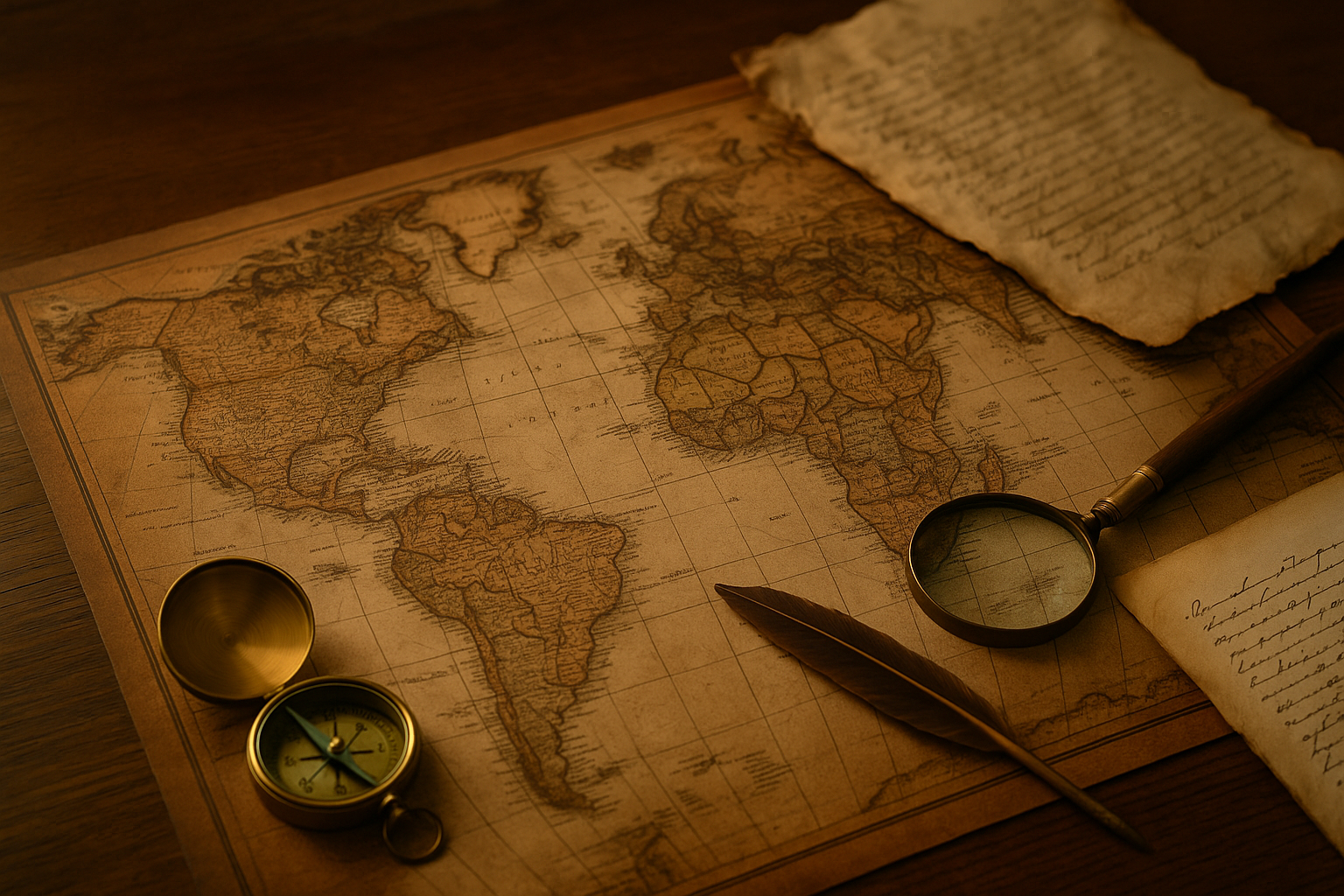
The transformation from vast empires to modern nation-states is one of the most defining shifts in human history. For centuries, empires controlled enormous territories, diverse cultures, and global trade routes. But social change, political revolutions, and new ideas about identity slowly reshaped the world. Nations emerged with borders, governments, and a sense of collective belonging that redefined global power. This transition laid the foundation for the political and cultural world we recognize today.
The Decline of Empires and Rise of New Ideals
By the 18th and 19th centuries, long-standing empires began facing internal pressure and global challenges. People demanded representation, rights, and self-rule. Enlightenment ideas—such as liberty, equality, and national identity—inspired movements that questioned imperial control. These growing desires for autonomy reshaped societies and weakened traditional imperial structures.
Revolutions That Reshaped the Map
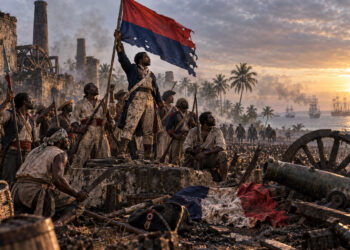
Across the world, revolutions sparked dramatic changes. Independence movements in the Americas, Europe, Asia, and Africa helped dismantle old imperial systems. As former colonies and territories broke away, they formed new governments rooted in national identities rather than imperial rule. These movements created fresh political landscapes and encouraged more people to imagine self-governed futures.
The Formation of Modern Nation-States
As empires faded, nations began organizing themselves around shared language, culture, geography, or values. They established borders, constitutions, and institutions that reflected the will of their citizens. This shift allowed people to feel connected through national identity rather than imperial loyalty. Over time, these nation-states became the main political units shaping diplomacy, trade, and global cooperation.
A New International Order
The rise of nations also led to the creation of global partnerships and organizations focused on peace, development, and collective security. Instead of imperial domination, the world moved toward international relations governed by treaties and dialogue. This new order encouraged cooperation, cultural exchange, and shared responsibility for global progress.
Conclusion
The shift from empires to nation-states transformed the world’s political, cultural, and social foundations. Through revolutions, new ideas, and strong identities, modern nations emerged—shaping the global landscape we live in today. This evolution reflects humanity’s ongoing pursuit of freedom, self-determination, and unity.