In 1894 a routine military investigation in Paris turned into one of modern France’s defining crises. Captain Alfred Dreyfus, a Jewish artillery officer, was accused of passing military secrets to the German embassy. A hurried court‑martial produced a conviction on charges of treason, and Dreyfus was publicly stripped of his rank before being shipped to the penal colony on Devil’s Island. The evidence against him—handwriting experts, secret memos, and closed sessions—would later be shown to be thin, contradictory, or deliberately obscured.
Unraveling and public storm
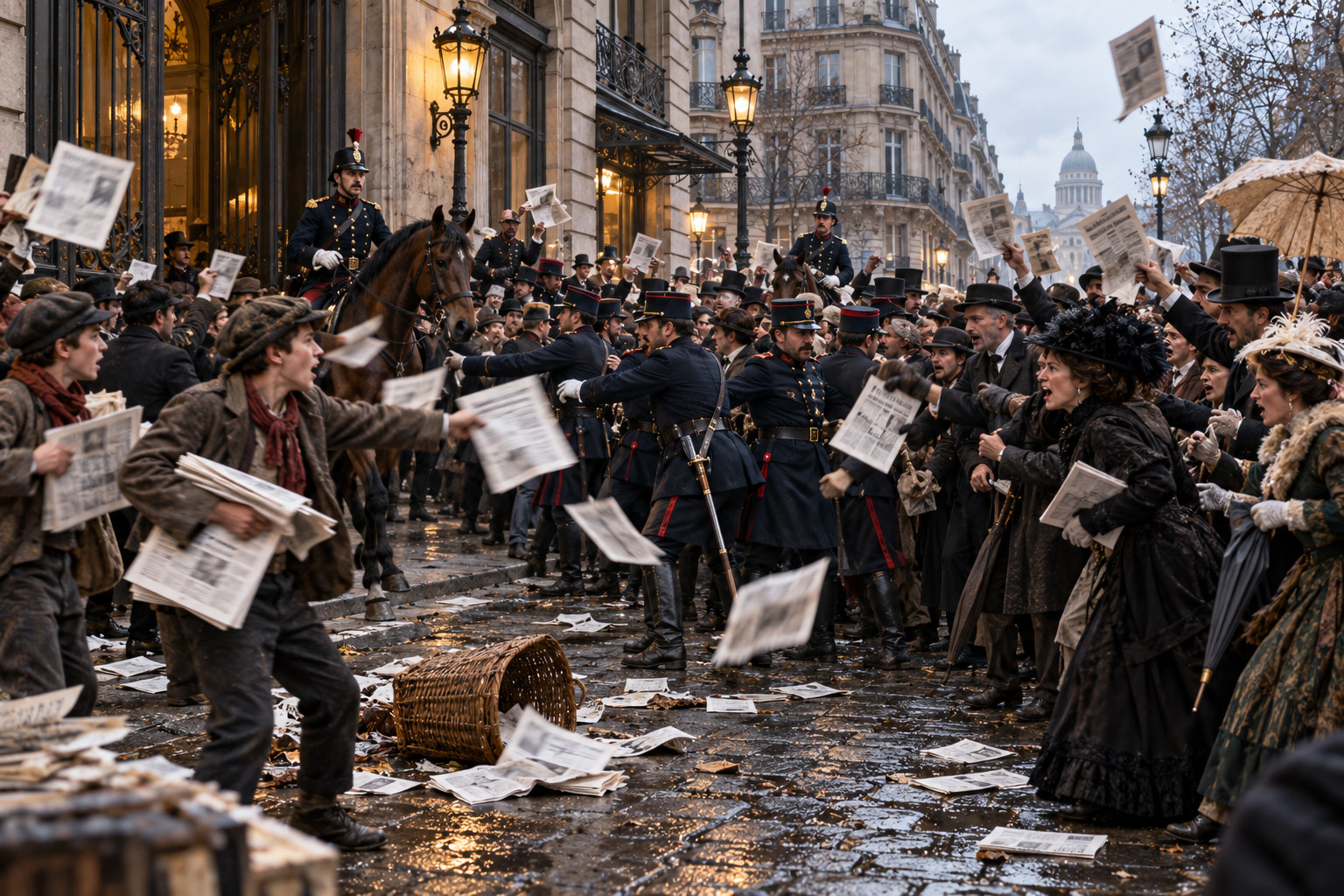
Two developments shifted the story from a closed military affair into a national controversy. First, in 1896 an army intelligence officer, Major Georges Picquart, discovered records pointing toward another suspect: Major Ferdinand Walsin Esterházy. Picquart’s efforts to bring this to light ran into institutional resistance. Second, the debate exploded into the open in early 1898 when the novelist Émile Zola published his fierce public letter, J’accuse!, accusing army leaders of cover‑up and anti‑Semitism. The pamphlet galvanized writers, politicians, and ordinary citizens. Newspapers across France split into Dreyfusards (those demanding justice) and anti‑Dreyfusards (those defending the army’s verdict), and public demonstrations turned bitter and sometimes violent.
The courts themselves added fuel. Esterházy was subject to a separate military trial and was controversially acquitted, which only deepened suspicions of collusion inside the general staff. Zola was prosecuted for libel; Picquart was sidelined and briefly arrested. The case became less and less about the single accused officer and more about the character of the French Republic—its institutions, its press, and its treatment of minorities.
Retrial, pardon, and legal victory
By 1899 pressure forced a retrial. When Dreyfus returned to France for proceedings at Rennes, the court again found him guilty—though this time with extenuating circumstances—and the verdict sparked outrage among his supporters. Rather than a final legal reckoning, the government moved to resolve the political crisis: Dreyfus was granted a presidential pardon later that year and released from imprisonment.
The definitive legal resolution took longer. In 1906 the Court of Cassation annulled Dreyfus’s conviction entirely and restored him to the army with the rank of lieutenant‑colonel. That formal exoneration closed the public case, but the affair’s aftershocks—polarized politics, debates over nationalism and anti‑Semitism, and the role of the press—lingered for decades.
Conclusion
The Dreyfus Affair was more than a miscarriage of justice; it was a national confession. It exposed how prejudice, institutional self‑protection, and sloppy evidence could combine to ruin a life. It also showed how persistent investigation, public argument, and legal review can eventually correct a wrong—if slowly, painfully, and not without cost to a society’s trust in its own institutions.