
Uncover History’s Secrets with Daily Updates!
Daily News Entertainment
  • Home
  • History
  • Biographies
  • Eras
  • Regions
  • Timeline
No Result
View All Result
History Ours
  • Home
  • History
  • Biographies
  • Eras
  • Regions
  • Timeline
No Result
View All Result
History Ours
No Result
View All Result
Home Timeline

The Shifting Balance of World Power

in Timeline
The Shifting Balance of World Power

The balance of world power has never been static. Across history, influence has moved between regions, empires, and nations as economic strength, technology, and social organization evolved. Today, this balance is shifting once again, shaped by globalization, innovation, and changing political alliances. Power is no longer concentrated in a single place or defined by one factor alone. Understanding these shifts helps explain how the global order continues to transform.

From Empires to Nation-States

In earlier centuries, global power was dominated by large empires that controlled vast territories and resources. Military strength and territorial expansion defined influence. Over time, the rise of nation-states changed this structure, emphasizing borders, governance, and national identity. Industrialization further redistributed power by rewarding countries that could innovate, produce, and trade efficiently. This transition laid the foundation for the modern international system.

Economic Strength as a Core Driver

In the contemporary world, economic power plays a central role in shaping global influence. Trade networks, manufacturing capacity, financial markets, and technological leadership determine how nations project strength. Countries with strong economies gain leverage through investment, supply chains, and currency influence. Economic interdependence also means power is shared and negotiated rather than imposed outright, making global relationships more complex.

Technology and Information Power

Technology has become a major equalizer—and divider—in world power dynamics. Advances in digital infrastructure, artificial intelligence, and communication allow influence to extend beyond traditional military means. Control over data, innovation ecosystems, and information flows increasingly shapes global standing. Nations that lead in technology can influence standards, markets, and even cultural narratives worldwide.

Political Alliances and Soft Power

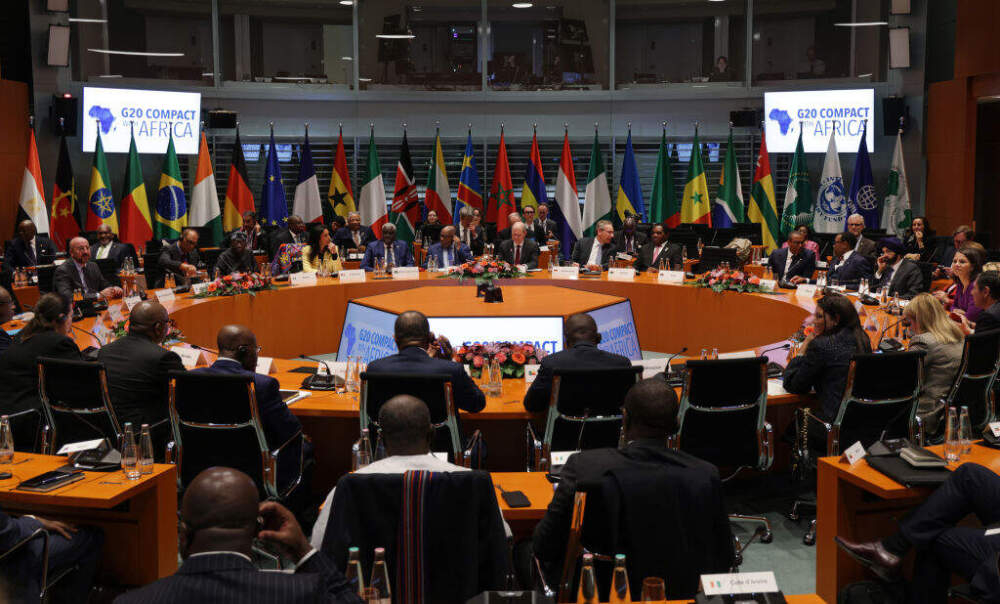
Power today is also expressed through alliances, diplomacy, and cultural influence. International organizations, trade agreements, and regional partnerships amplify collective strength. Soft power—values, culture, education, and media—helps shape global perceptions and build long-term influence. Countries that combine strategic partnerships with cultural reach often punch above their weight on the world stage.

A Multipolar Global Landscape

Rather than a single dominant power, the world is moving toward a multipolar structure. Multiple nations and regions now hold significant influence in different domains. This diffusion of power increases competition but also encourages cooperation on global challenges. The shifting balance reflects a more interconnected world where leadership is shared, contested, and constantly evolving.

Conclusion

The shifting balance of world power is driven by economic change, technological progress, and evolving alliances. As influence becomes more distributed, understanding these dynamics is essential for navigating global relationships. Power today is fluid, multifaceted, and shaped as much by collaboration as by competition.
Previous Post

Oceania’s Indigenous Histories and Myths

Next Post

A Timeline of Human Curiosity and Discovery

Related Posts

How Haiti Broke Its Chains: A 1791–1804 Timeline
Timeline

How Haiti Broke Its Chains: A 1791–1804 Timeline

September 15, 2026
From Horses to Wires: How the Pony Express Met the Telegraph
Timeline

From Horses to Wires: How the Pony Express Met the Telegraph

September 15, 2026
From Swamps to Shortcut: A Timeline of the Panama Canal
Timeline

From Swamps to Shortcut: A Timeline of the Panama Canal

September 15, 2026
1815–1818: The Tambora Eruption and the Year Without a Summer
Timeline

1815–1818: The Tambora Eruption and the Year Without a Summer

September 15, 2026
Next Post
A Timeline of Human Curiosity and Discovery

A Timeline of Human Curiosity and Discovery

Search..

No Result
View All Result

Recent Articles

Edo: Japan’s Urban Revolution of Lanterns and Printshops

Edo: Japan’s Urban Revolution of Lanterns and Printshops

September 16, 2026
How the Little Ice Age Changed Everyday Life in Europe

How the Little Ice Age Changed Everyday Life in Europe

September 16, 2026
The Disguise That Broke Chains: Ellen and William Craft

The Disguise That Broke Chains: Ellen and William Craft

September 15, 2026
Bass Reeves: The Marshal Who Hunted Outlaws in Indian Territory

Bass Reeves: The Marshal Who Hunted Outlaws in Indian Territory

September 15, 2026
How the Crystal Palace Turned Glass and Iron into a Modern Stage

How the Crystal Palace Turned Glass and Iron into a Modern Stage

September 15, 2026

Subscribe Us

By clicking submit, I authorize History Ours and its affiliated companies to: (1) use, sell, and share my information for marketing purposes, including cross-context behavioral advertising, as described in our Terms of Service and Privacy Policy, (2) supplement the information that I provide with additional information lawfully obtained from other sources, like demographic data from public sources, interests inferred from web page views, or other data relevant to what might interest me, like past purchase or location data, (3) contact me or enable others to contact me by email with offers for goods and services from any category at the email address provided, and (4) retain my information while I am engaging with marketing messages that I receive and for a reasonable amount of time thereafter. I understand I can opt out at any time through an email that I receive, or by clicking here

Subscribe To Our Newsletter

By clicking submit, I authorize History Ours and its affiliated companies to: (1) use, sell, and share my information for marketing purposes, including cross-context behavioral advertising, as described in our Terms of Service and Privacy Policy, (2) supplement the information that I provide with additional information lawfully obtained from other sources, like demographic data from public sources, interests inferred from web page views, or other data relevant to what might interest me, like past purchase or location data, (3) contact me or enable others to contact me by email with offers for goods and services from any category at the email address provided, and (4) retain my information while I am engaging with marketing messages that I receive and for a reasonable amount of time thereafter. I understand I can opt out at any time through an email that I receive, or by clicking here.

© 2026 History Ours | All Rights Reserved

  • Contact Us
  • Privacy Policy
  • Terms of Service
  • Unsubscribe
  • Privacy Choices
  • Contact Us
  • Privacy Policy
  • Terms of Service
  • Unsubscribe
  • Privacy Choices

© 2026 History Ours | All Rights Reserved

No Result
View All Result
  • Home
  • History
  • Biographies
  • Eras
  • Regions
  • Timeline

© 2026 History Ours | All Rights Reserved

Skip to content
Open toolbar Accessibility Tools

Accessibility Tools

  • Increase TextIncrease Text
  • Decrease TextDecrease Text
  • GrayscaleGrayscale
  • High ContrastHigh Contrast
  • Negative ContrastNegative Contrast
  • Light BackgroundLight Background
  • Links UnderlineLinks Underline
  • Readable FontReadable Font
  • Reset Reset