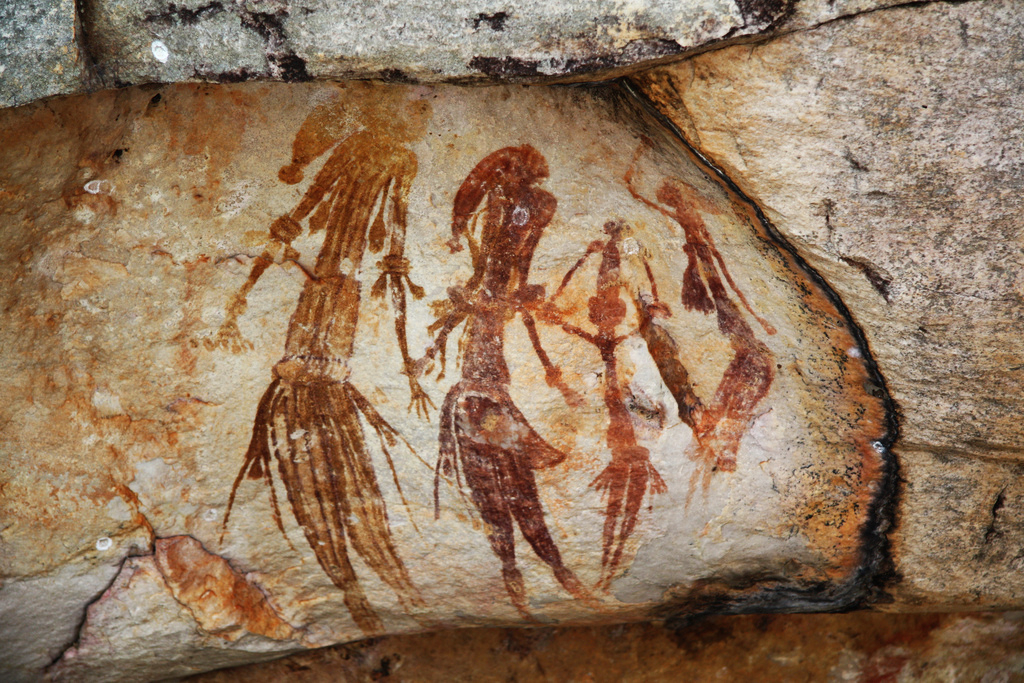
Oceania’s Indigenous histories and myths form some of the world’s oldest continuous cultural traditions. Spanning islands and continents across the Pacific, these narratives preserve knowledge about origins, land, navigation, and community life. Long before written records, stories carried memory across generations, shaping identity and social order. Myths were not simply tales for entertainment—they were living frameworks that explained the world and humanity’s place within it. Understanding these traditions offers insight into cultures deeply connected to land, sea, and ancestry.
Oral Traditions as Historical Memory
Indigenous societies across Oceania relied on oral storytelling to transmit history, law, and values. Stories were carefully preserved through chants, songs, and ritual performances, ensuring accuracy over time. These narratives recorded migrations, environmental changes, and ancestral lineages, often encoding practical knowledge within symbolic language. Far from being fictional, many myths reflect real historical events remembered through metaphor and narrative structure.
Creation Myths and Ancestral Origins
Creation stories play a central role in Oceania’s Indigenous belief systems. Many traditions describe the emergence of land, people, and natural forces from ancestral beings or spiritual realms. These ancestors are often closely tied to specific landscapes, reinforcing the idea that identity and place are inseparable. Myths explain not only how the world began, but also why social responsibilities and relationships exist as they do today.
Navigation, Sea Knowledge, and Myth
The ocean is a defining presence in Oceania, and myths often reflect advanced knowledge of the sea. Stories of legendary voyages encode navigation techniques, star paths, and seasonal patterns. These narratives celebrate exploration while emphasizing respect for natural forces. Myth and science merge seamlessly, demonstrating how storytelling functioned as both cultural expression and survival knowledge.
Spirituality, Land, and Responsibility
Indigenous myths frequently emphasize balance and stewardship. Land and sea are viewed as living entities rather than resources to be controlled. Stories teach respect, restraint, and responsibility toward the environment. By embedding ethical guidance within myth, communities reinforced sustainable practices and social cohesion. These lessons remain deeply relevant in contemporary discussions about environmental care.
Cultural Survival and Continuity
Despite centuries of disruption, Indigenous histories and myths across Oceania continue to endure. Revitalization efforts have strengthened language preservation, storytelling practices, and cultural education. These traditions are not relics of the past—they are evolving expressions of identity and resilience. Through myth and memory, communities maintain continuity with their ancestors while navigating modern realities.
Conclusion
Oceania’s Indigenous histories and myths represent profound systems of knowledge rooted in place, memory, and responsibility. They preserve history through story and meaning through symbolism. By engaging with these traditions respectfully, we gain a deeper appreciation for cultures that have sustained wisdom across thousands of years.