
Eras give historians a way to group events, trends, and cultural patterns across time. They act as interpretive frames that simplify complexity while highlighting continuities and ruptures in social life. Naming an era provides a narrative scaffold useful for teaching, curation, and public engagement with the past. This article explains how eras are constructed, what signals mark their boundaries, and how to use them responsibly.
Defining period boundaries
Deciding where one era ends and another begins often depends on multiple intersecting factors rather than a single event. Political revolutions, economic transformations, major technological innovations, and sustained cultural shifts can all justify the start or end of an era. Scholars weigh evidence from documentary sources, artifacts, and quantitative data to argue for particular periodizations. Good period definitions are explicit about the criteria used and the scale at which they apply.
That transparency helps readers understand why historians group some developments together but not others. A clear rationale also makes it easier to revise period boundaries as new evidence or perspectives emerge.
Signals that mark an era
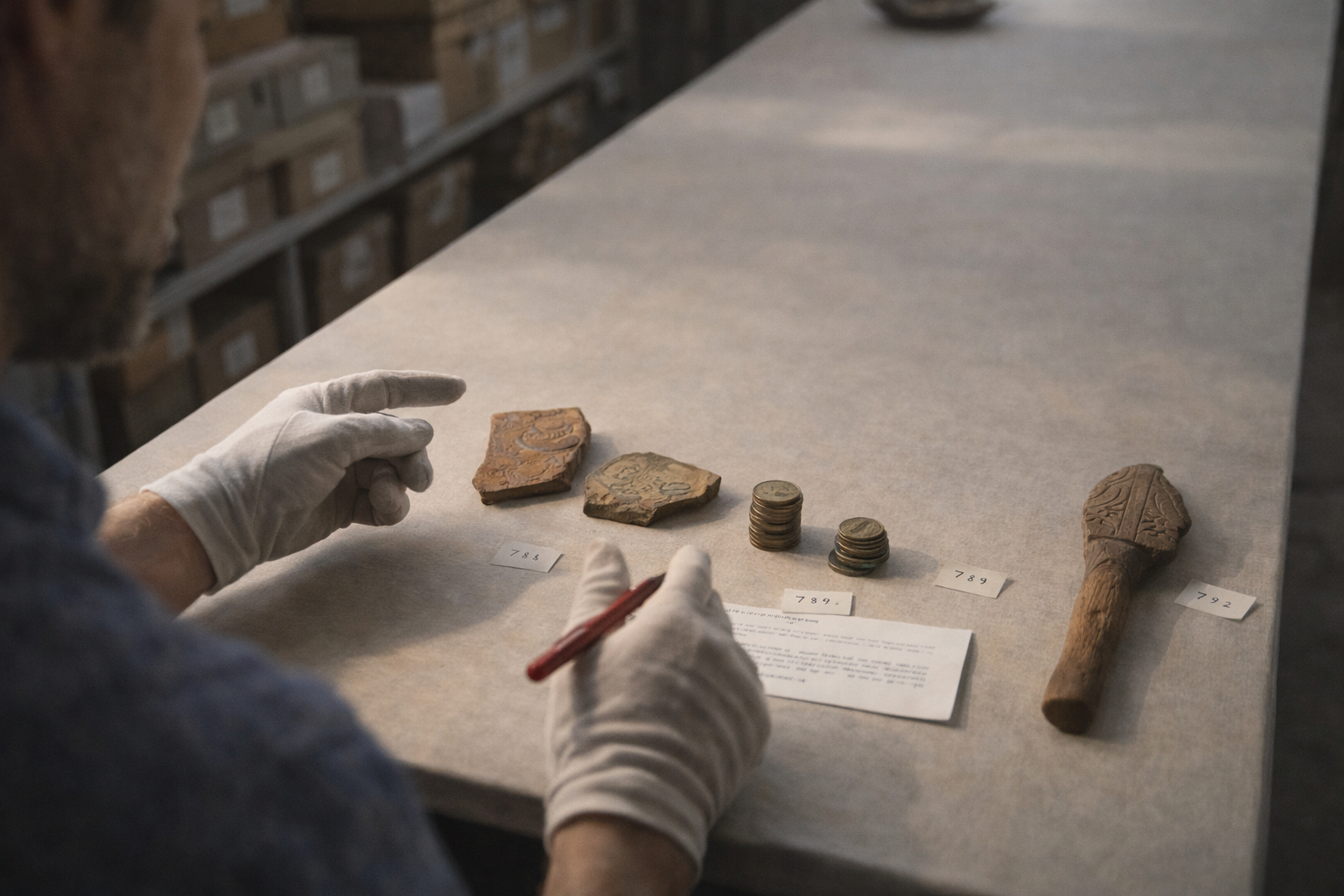
Certain markers frequently indicate that an era is underway: institutional reorganizations, changes in material culture, shifts in popular language and artistic forms, and the adoption of new technologies. These signals appear across archives, buildings, and everyday objects, helping historians detect patterns that are otherwise diffuse. Comparative analysis across regions and social groups can reveal whether a change is localized or part of a broader transformation. Combining qualitative narratives with statistical trends strengthens arguments for an era’s coherence.
- Institutional change, such as new legal systems or bureaucracies.
- Material culture shifts, including distinctive design or production methods.
- Widespread adoption of a technology or communication practice.
Used together, these indicators provide a more convincing case for an era than any single datum. They also encourage interdisciplinary research across archaeology, literature, and social history.
Debates and gray areas
Eras are not neutral labels; they reflect analytical choices and sometimes contested narratives. Critics point out that periodization can impose artificial boundaries, privilege certain regions or elites, and obscure continuities that cross labeled periods. Overlapping eras and localized exceptions are common, which reminds us that period labels are heuristic tools rather than immutable facts. Ongoing debate and critique help refine period frameworks and reveal their limits.
Recognizing uncertainty encourages more nuanced storytelling about the past. It also opens space for marginalized voices that long-standing period labels may have overlooked.
Practical uses for historians and educators
Eras help structure curricula, exhibitions, and public timelines in ways that are accessible and memorable. They allow educators to frame cause-and-effect relationships and to compare developments across different places and communities. Digital tools like interactive maps and timelines can visualize era boundaries and the gradations between them. When used thoughtfully, era-based narratives can engage the public without oversimplifying complexity.
Clear explanations of why an era is used and what it includes make those narratives more credible. They also invite audiences to question and explore alternative periodizations.
Conclusion
Eras remain valuable analytical devices when their assumptions and limits are made explicit. Thoughtful periodization combines multiple lines of evidence and stays open to revision. In practice, eras should guide inquiry rather than constrain it.