
Uncover History’s Secrets with Daily Updates!
Daily News Entertainment
  • Home
  • History
  • Biographies
  • Eras
  • Regions
  • Timeline
No Result
View All Result
History Ours
  • Home
  • History
  • Biographies
  • Eras
  • Regions
  • Timeline
No Result
View All Result
History Ours
No Result
View All Result
Home Regions

Rediscovering Regional Voices Through Everyday Archives

in Regions
Rediscovering Regional Voices Through Everyday Archives

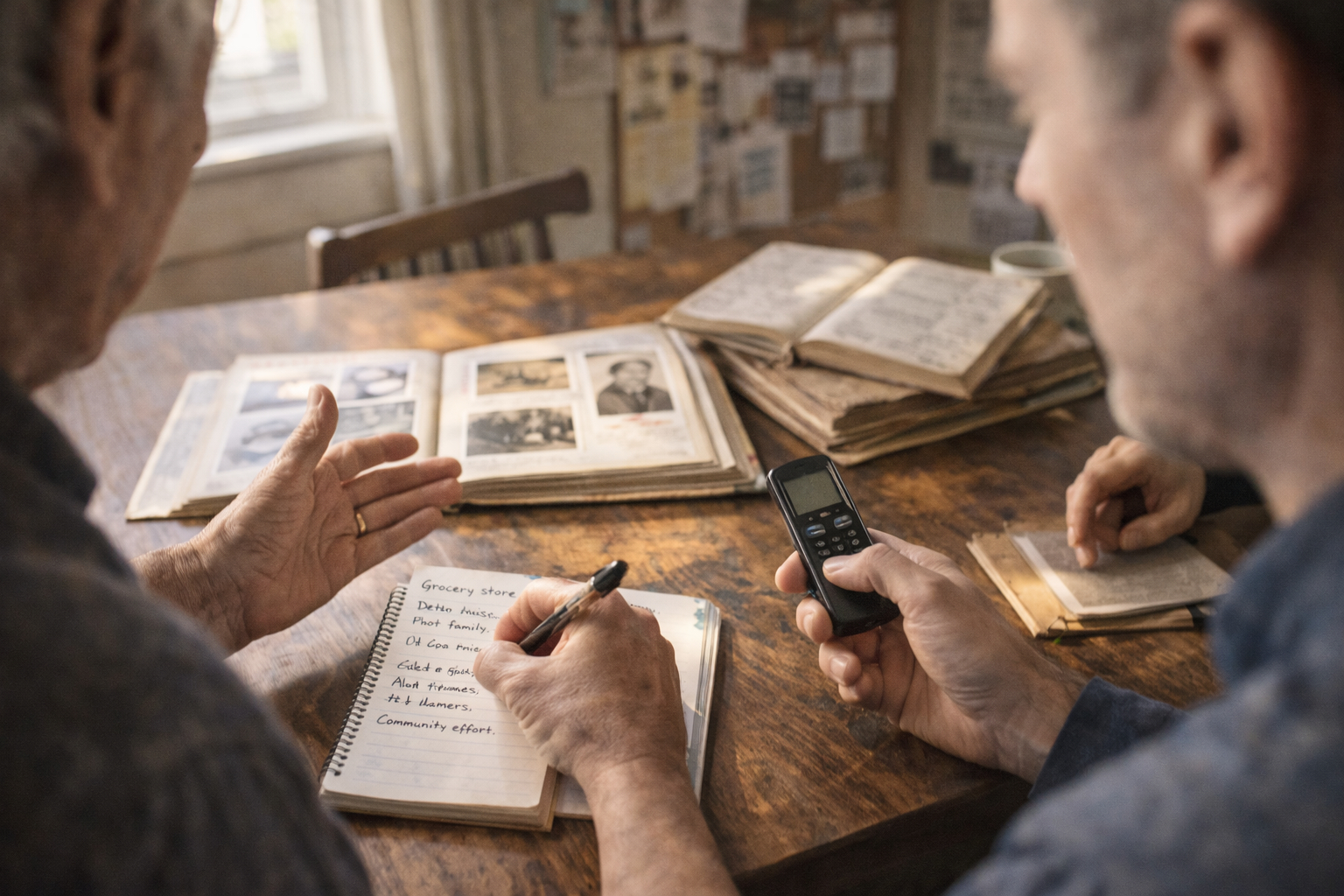
Understanding a region’s past often depends not on grand archives but on the small, everyday traces that people leave behind. These modest records—shop ledgers, family photo albums, neighborhood newsletters, and oral memories—reveal practices and meanings that formal documents may miss. Paying attention to such sources shifts the focus from institutions and official narratives to the lived experiences that shape regional identity. This approach reframes history as a layered conversation between material culture, memory, and routine actions.

Everyday Sources and Local Memory

Everyday sources anchor histories in concrete habit and place. A grocer’s ledger can show seasonal diets, labor patterns, and trade connections, while a school scrapbook can trace changing tastes and local celebrations. Oral testimonies preserve idioms, gestures, and informal norms that rarely appear in official accounts. Together, these materials map how communities sustained themselves and adapted to change.

When historians elevate these traces, they gain a granular sense of continuity and rupture. Such work requires careful contextualization and a sensitivity to silence and absence.

Material Culture and Oral Traces

Material culture and oral traces demand interdisciplinary methods. Conservators, anthropologists, and community historians bring technical skills for preserving fragile items and interpreting their habitual contexts. Listening to elders, transcribing stories, and pairing them with objects can reveal networks of care, migration, and exchange. These practices turn private memories into evidence for broader social patterns.

Ethical collaboration is central: researchers must acknowledge custodianship and avoid extractive practices. Co-curation builds trust and richer, more reflexive narratives.

Connecting Microhistories to Broader Narratives

Microhistories rooted in everyday life help bridge local study and larger historical questions. When scholars aggregate case studies, patterns emerge about economic shifts, cultural diffusion, or political mobilization across regions. Digital tools now enable mapping and sharing of dispersed collections, making small archives legible at scale. Yet technology should augment, not replace, attentive fieldwork and oral engagement.

Interpreting microevidence requires both patience and comparative perspective. The payoff is a layered account that honors local voice while speaking to regional dynamics.

Practical Steps for Researchers and Communities

Practical work begins with careful inventory and respectful engagement. Creating community inventories, digitizing fragile materials, and establishing clear agreements about access and ownership preserve sources while empowering custodians. Researchers should combine archival description with oral annotation so objects carry their narrated meanings, and they must invest time in local relationships to avoid extractive capture. Funding and institutional support can be aligned with training programs to build local capacity.

Publishing findings in accessible formats and co-curated exhibits returns research to communities and invites feedback. Long-term partnerships multiply the benefits of these discoveries.

Conclusion

Rediscovering regional voices through everyday archives transforms how we imagine the past. It highlights the centrality of lived practice and community knowledge in shaping history. Embracing these sources enriches scholarship and public understanding alike.

Previous Post

Using Eras to Trace Historical Continuities and Shifts

Next Post

Everyday Borders: Stories of Regional Change and Memory

Related Posts

Trieste: A Port at the Edge of Empires
Regions

Trieste: A Port at the Edge of Empires

September 15, 2026
Svalbard: How a Frozen Archipelago Became an International Outpost
Regions

Svalbard: How a Frozen Archipelago Became an International Outpost

September 15, 2026
Orkney: Where Norse Law and Scottish Life Intertwined
Regions

Orkney: Where Norse Law and Scottish Life Intertwined

September 15, 2026
Inside the Covered Streets: The Grand Bazaar and Istanbul’s Life
Regions

Inside the Covered Streets: The Grand Bazaar and Istanbul’s Life

September 15, 2026
Next Post
Everyday Borders: Stories of Regional Change and Memory

Everyday Borders: Stories of Regional Change and Memory

Search..

No Result
View All Result

Recent Articles

The Disguise That Broke Chains: Ellen and William Craft

The Disguise That Broke Chains: Ellen and William Craft

September 15, 2026
Bass Reeves: The Marshal Who Hunted Outlaws in Indian Territory

Bass Reeves: The Marshal Who Hunted Outlaws in Indian Territory

September 15, 2026
How the Crystal Palace Turned Glass and Iron into a Modern Stage

How the Crystal Palace Turned Glass and Iron into a Modern Stage

September 15, 2026
Anne Bonny: The Pirate Who Broke Rules and Expectations

Anne Bonny: The Pirate Who Broke Rules and Expectations

September 15, 2026
How Haiti Broke Its Chains: A 1791–1804 Timeline

How Haiti Broke Its Chains: A 1791–1804 Timeline

September 15, 2026

Subscribe Us

By clicking submit, I authorize History Ours and its affiliated companies to: (1) use, sell, and share my information for marketing purposes, including cross-context behavioral advertising, as described in our Terms of Service and Privacy Policy, (2) supplement the information that I provide with additional information lawfully obtained from other sources, like demographic data from public sources, interests inferred from web page views, or other data relevant to what might interest me, like past purchase or location data, (3) contact me or enable others to contact me by email with offers for goods and services from any category at the email address provided, and (4) retain my information while I am engaging with marketing messages that I receive and for a reasonable amount of time thereafter. I understand I can opt out at any time through an email that I receive, or by clicking here

Subscribe To Our Newsletter

By clicking submit, I authorize History Ours and its affiliated companies to: (1) use, sell, and share my information for marketing purposes, including cross-context behavioral advertising, as described in our Terms of Service and Privacy Policy, (2) supplement the information that I provide with additional information lawfully obtained from other sources, like demographic data from public sources, interests inferred from web page views, or other data relevant to what might interest me, like past purchase or location data, (3) contact me or enable others to contact me by email with offers for goods and services from any category at the email address provided, and (4) retain my information while I am engaging with marketing messages that I receive and for a reasonable amount of time thereafter. I understand I can opt out at any time through an email that I receive, or by clicking here.

© 2026 History Ours | All Rights Reserved

  • Contact Us
  • Privacy Policy
  • Terms of Service
  • Unsubscribe
  • Privacy Choices
  • Contact Us
  • Privacy Policy
  • Terms of Service
  • Unsubscribe
  • Privacy Choices

© 2026 History Ours | All Rights Reserved

No Result
View All Result
  • Home
  • History
  • Biographies
  • Eras
  • Regions
  • Timeline

© 2026 History Ours | All Rights Reserved

Skip to content
Open toolbar Accessibility Tools

Accessibility Tools

  • Increase TextIncrease Text
  • Decrease TextDecrease Text
  • GrayscaleGrayscale
  • High ContrastHigh Contrast
  • Negative ContrastNegative Contrast
  • Light BackgroundLight Background
  • Links UnderlineLinks Underline
  • Readable FontReadable Font
  • Reset Reset