
Uncover History’s Secrets with Daily Updates!
Daily News Entertainment
  • Home
  • History
  • Biographies
  • Eras
  • Regions
  • Timeline
No Result
View All Result
History Ours
  • Home
  • History
  • Biographies
  • Eras
  • Regions
  • Timeline
No Result
View All Result
History Ours
No Result
View All Result
Home History

The Year Without a Summer: 1816’s Climate Surprise

in History
The Year Without a Summer: 1816’s Climate Surprise

In April 1815 Mount Tambora in Indonesia erupted with a force few living humans had ever seen. The blast lofted enormous quantities of ash and sulfur into the stratosphere; the particles circled the globe and filtered sunlight for months afterward. The result: 1816 arrived not with summer warmth but with persistent cold, strange storms, and an overload of ruined harvests across wide swaths of the Northern Hemisphere.

Weather that wouldn’t behave

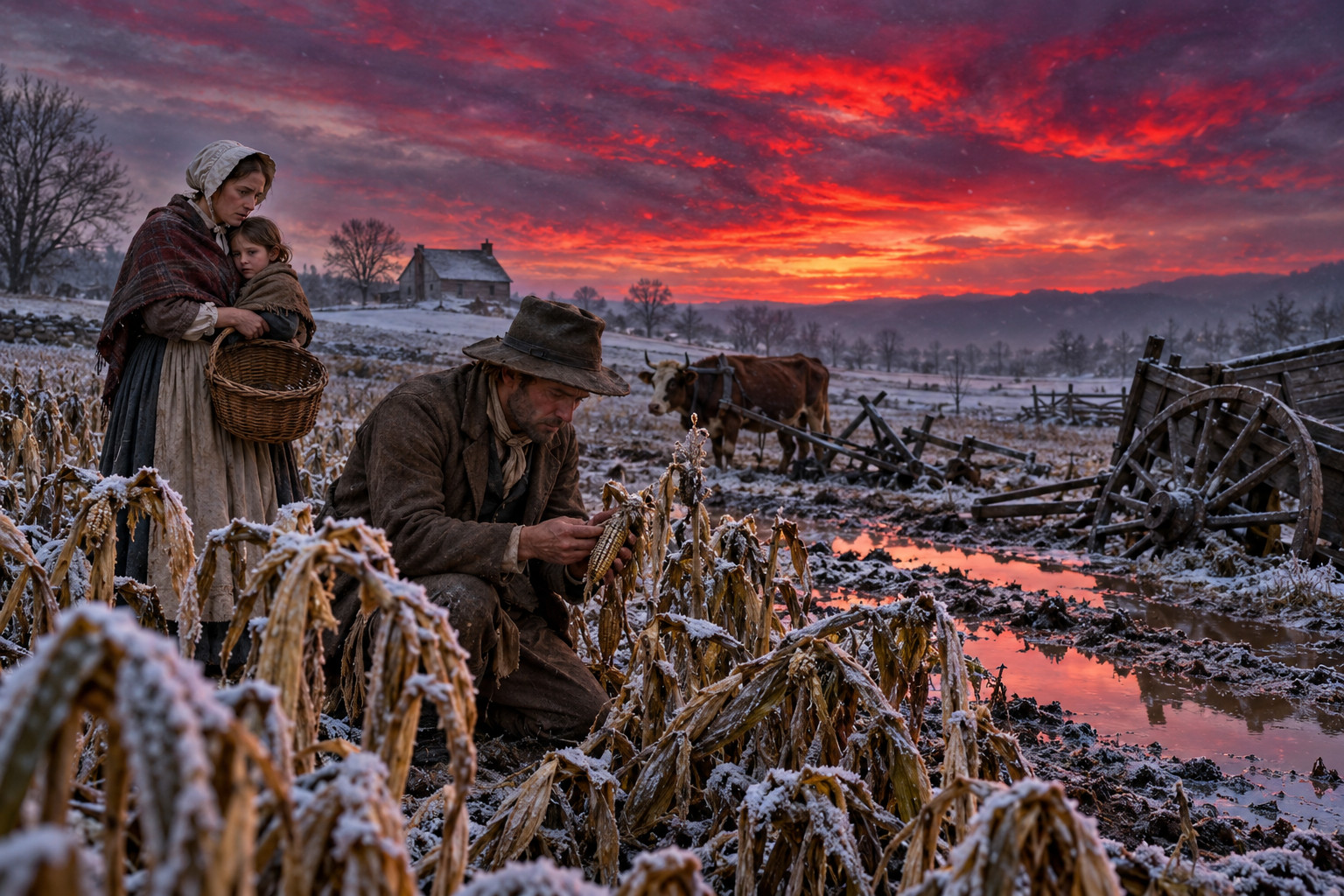
People woke to snow in June, late frosts in July, and continuous rain in places used to sunshine. In New England and parts of Canada, frost damaged corn and fruit trees well into the growing season. In Europe, persistent downpours turned fields to muck, stunted grain, and left once-hopeful crops rotting in the soil. Sunsets took on unusual brilliance — a side effect of volcanic aerosols scattering light — and artists such as J.M.W. Turner later painted skies that historians link to these post‑Tambora sunsets.

When climate reached the market

The cascading human consequences were immediate and varied. Scarce grain pushed bread prices up; the poor bore the brunt in towns and rural hamlets. In parts of Switzerland and Germany, food shortages sparked unrest. In South Asia and China, disrupted monsoons and crop failures compounded local stresses and worsened famine conditions in 1816–1817. Migratory pressures and economic strain nudged some families to move — including transatlantic migration from affected regions of Europe — and governments scrambled with relief measures, price controls, and import efforts.

1816 also nudged culture in strange ways. A famously gloomy summer on the shores of Lake Geneva brought together Lord Byron, Percy Shelley, and Mary Shelley. Trapped indoors by weather, they told ghost stories; the result was Mary Shelley’s Frankenstein, conceived amid thunder, storm, and talk of galvanism. Scientists, too, took notice: the clear link between a distant volcano and global climate helped push early nineteenth‑century thinkers toward understanding atmospheric effects on weather.

Conclusion

The “Year Without a Summer” is a vivid reminder that faraway geological events can ripple through harvests, markets, migration, and imagination. Tambora’s eruption was a single physical event; the human story that followed — from ruined breadbaskets to Gothic novels and brilliant painted skies — shows how closely societies are tied to the planet’s wild, unpredictable behavior.
Previous Post

Thirteen Days That Almost Ended the World

Next Post

When the Mona Lisa Vanished: Theft That Made a Masterpiece Famous

Related Posts

When the Mona Lisa Vanished: Theft That Made a Masterpiece Famous
History

When the Mona Lisa Vanished: Theft That Made a Masterpiece Famous

October 4, 2026
Understanding Everyday Life in Ancient Cities
History

Understanding Everyday Life in Ancient Cities

September 29, 2026
How Ordinary People Shaped Ancient Urban Life
History

How Ordinary People Shaped Ancient Urban Life

September 29, 2026
The Strasbourg Dancing Plague: When People Couldn’t Stop Dancing
History

The Strasbourg Dancing Plague: When People Couldn’t Stop Dancing

September 24, 2026
Next Post
When the Mona Lisa Vanished: Theft That Made a Masterpiece Famous

When the Mona Lisa Vanished: Theft That Made a Masterpiece Famous

Search..

No Result
View All Result

Recent Articles

When the Mona Lisa Vanished: Theft That Made a Masterpiece Famous

When the Mona Lisa Vanished: Theft That Made a Masterpiece Famous

October 4, 2026
The Year Without a Summer: 1816’s Climate Surprise

The Year Without a Summer: 1816’s Climate Surprise

October 4, 2026
Thirteen Days That Almost Ended the World

Thirteen Days That Almost Ended the World

October 3, 2026
The Making and Fall of the Berlin Wall, 1945–1990

The Making and Fall of the Berlin Wall, 1945–1990

October 3, 2026
How Wind and Loess Built the Palouse Wheatlands

How Wind and Loess Built the Palouse Wheatlands

October 2, 2026

Subscribe Us

By clicking submit, I authorize History Ours and its affiliated companies to: (1) use, sell, and share my information for marketing purposes, including cross-context behavioral advertising, as described in our Terms of Service and Privacy Policy, (2) supplement the information that I provide with additional information lawfully obtained from other sources, like demographic data from public sources, interests inferred from web page views, or other data relevant to what might interest me, like past purchase or location data, (3) contact me or enable others to contact me by email with offers for goods and services from any category at the email address provided, and (4) retain my information while I am engaging with marketing messages that I receive and for a reasonable amount of time thereafter. I understand I can opt out at any time through an email that I receive, or by clicking here

Subscribe To Our Newsletter

By clicking submit, I authorize History Ours and its affiliated companies to: (1) use, sell, and share my information for marketing purposes, including cross-context behavioral advertising, as described in our Terms of Service and Privacy Policy, (2) supplement the information that I provide with additional information lawfully obtained from other sources, like demographic data from public sources, interests inferred from web page views, or other data relevant to what might interest me, like past purchase or location data, (3) contact me or enable others to contact me by email with offers for goods and services from any category at the email address provided, and (4) retain my information while I am engaging with marketing messages that I receive and for a reasonable amount of time thereafter. I understand I can opt out at any time through an email that I receive, or by clicking here.

© 2026 History Ours | All Rights Reserved

  • Contact Us
  • Privacy Policy
  • Terms of Service
  • Unsubscribe
  • Privacy Choices
  • Contact Us
  • Privacy Policy
  • Terms of Service
  • Unsubscribe
  • Privacy Choices

© 2026 History Ours | All Rights Reserved

No Result
View All Result
  • Home
  • History
  • Biographies
  • Eras
  • Regions
  • Timeline

© 2026 History Ours | All Rights Reserved

Skip to content
Open toolbar Accessibility Tools

Accessibility Tools

  • Increase TextIncrease Text
  • Decrease TextDecrease Text
  • GrayscaleGrayscale
  • High ContrastHigh Contrast
  • Negative ContrastNegative Contrast
  • Light BackgroundLight Background
  • Links UnderlineLinks Underline
  • Readable FontReadable Font
  • Reset Reset