
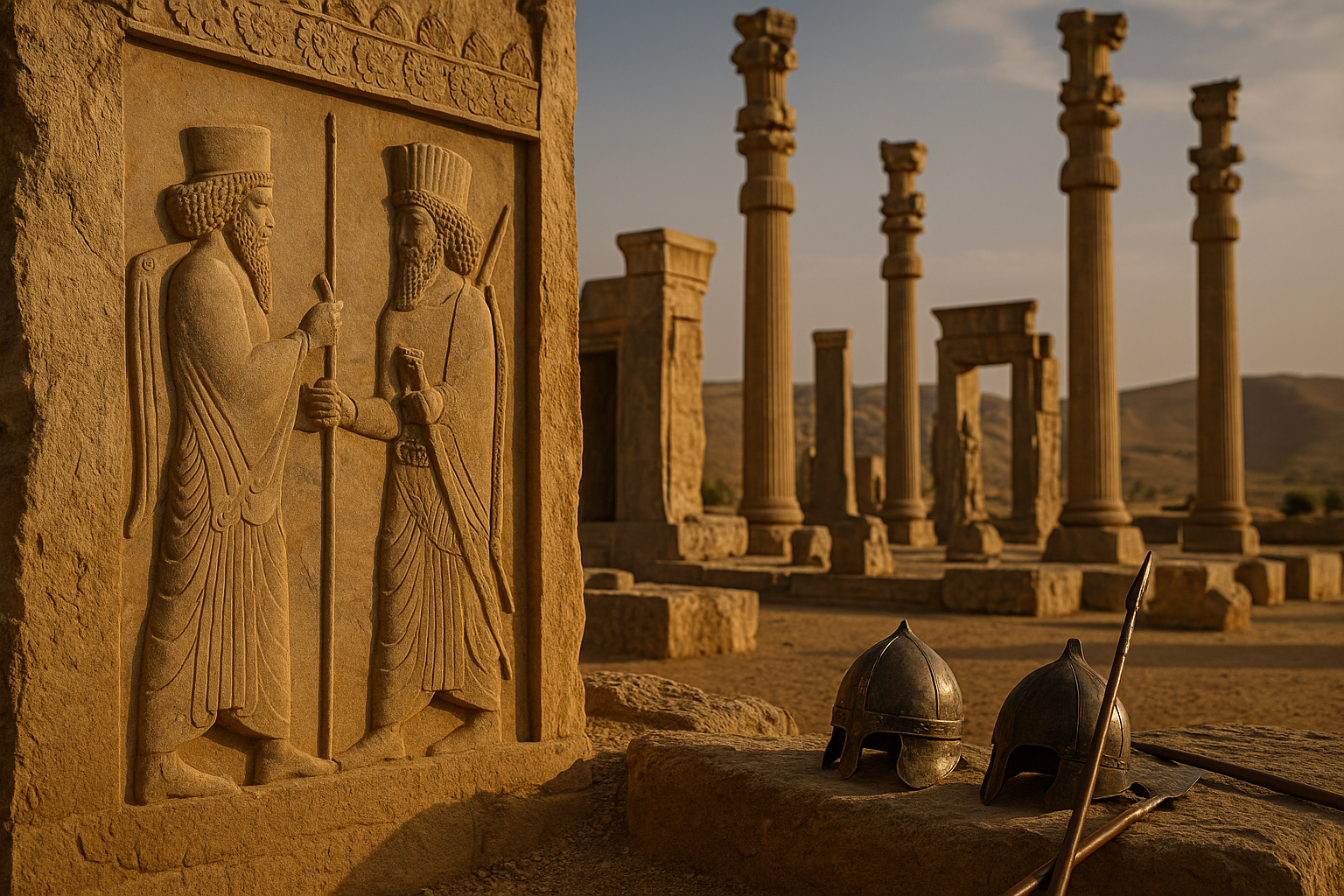
Ancient Persia stands as one of history’s most influential civilizations, known for its refined artistic traditions and innovative military strategies. From the grand palaces of Persepolis to the disciplined structure of the Persian army, the empire blended creativity with power in ways that shaped cultures far beyond its borders. Persia’s achievements in both art and warfare helped define its identity as a civilization built on sophistication, strength, and vision.
Persian rulers valued beauty as much as strategy. This balance created a legacy where artistic expression and military excellence grew side by side, influencing neighboring empires and inspiring future generations. The empire’s accomplishments remain visible today in architecture, craftsmanship, and historical accounts of its innovative battle tactics.
A Legacy of Artistic Brilliance
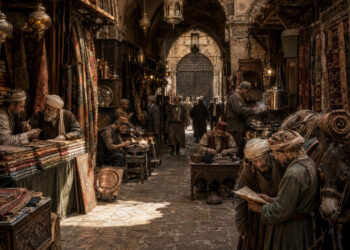
Persian art emphasized detail, elegance, and symbolism. Intricate carvings, colorful textiles, and stunning metalwork reflected the empire’s appreciation for craftsmanship. Reliefs found in Persepolis show scenes of diplomacy, celebration, and cultural diversity, demonstrating Persia’s commitment to harmony and unity among its many regions. Their artistry blended local traditions with influences from across the empire, creating a style that still inspires modern design.
Architecture That Defined Power
One of Persia’s greatest artistic achievements was its monumental architecture. Palaces and ceremonial complexes showcased advanced engineering and artistic vision. Tall columns, grand staircases, and detailed stonework expressed both strength and sophistication. These structures served not only political purposes but also stood as symbols of the empire’s cultural richness.
Innovations in Military Organization
Persia’s military power was built on structure and strategy. The empire created one of the first professional armies, combining skilled infantry, cavalry, and specialized units from various cultures. Its use of swift cavalry forces, complex formations, and efficient communication helped control a vast empire stretching across continents. These tactics influenced future armies and reshaped ancient warfare.
Cultural Integration in Warfare
The Persian military incorporated soldiers from across the empire, valuing cultural diversity as a strategic advantage. Each region contributed unique skills — archers, horsemen, engineers — creating a dynamic fighting force. This inclusive approach strengthened loyalty and expanded the empire’s tactical capabilities.
Conclusion
Ancient Persia’s influence on art and warfare reflects a civilization that balanced creativity with strength. Its artistic achievements and innovative military structures shaped cultures throughout the ancient world. The legacy of Persia continues to inspire modern art, architecture, and strategy, reminding us of the enduring impact of a civilization that mastered both beauty and power.