Uncover History’s Secrets with Daily Updates!
Daily News Entertainment
  • Home
  • History
  • Biographies
  • Eras
  • Regions
  • Timeline
No Result
View All Result
History Ours
  • Home
  • History
  • Biographies
  • Eras
  • Regions
  • Timeline
No Result
View All Result
History Ours
No Result
View All Result
Home Regions

Domestic Spaces and the Slow Construction of Regional Belonging

in Regions
Domestic Spaces and the Slow Construction of Regional Belonging

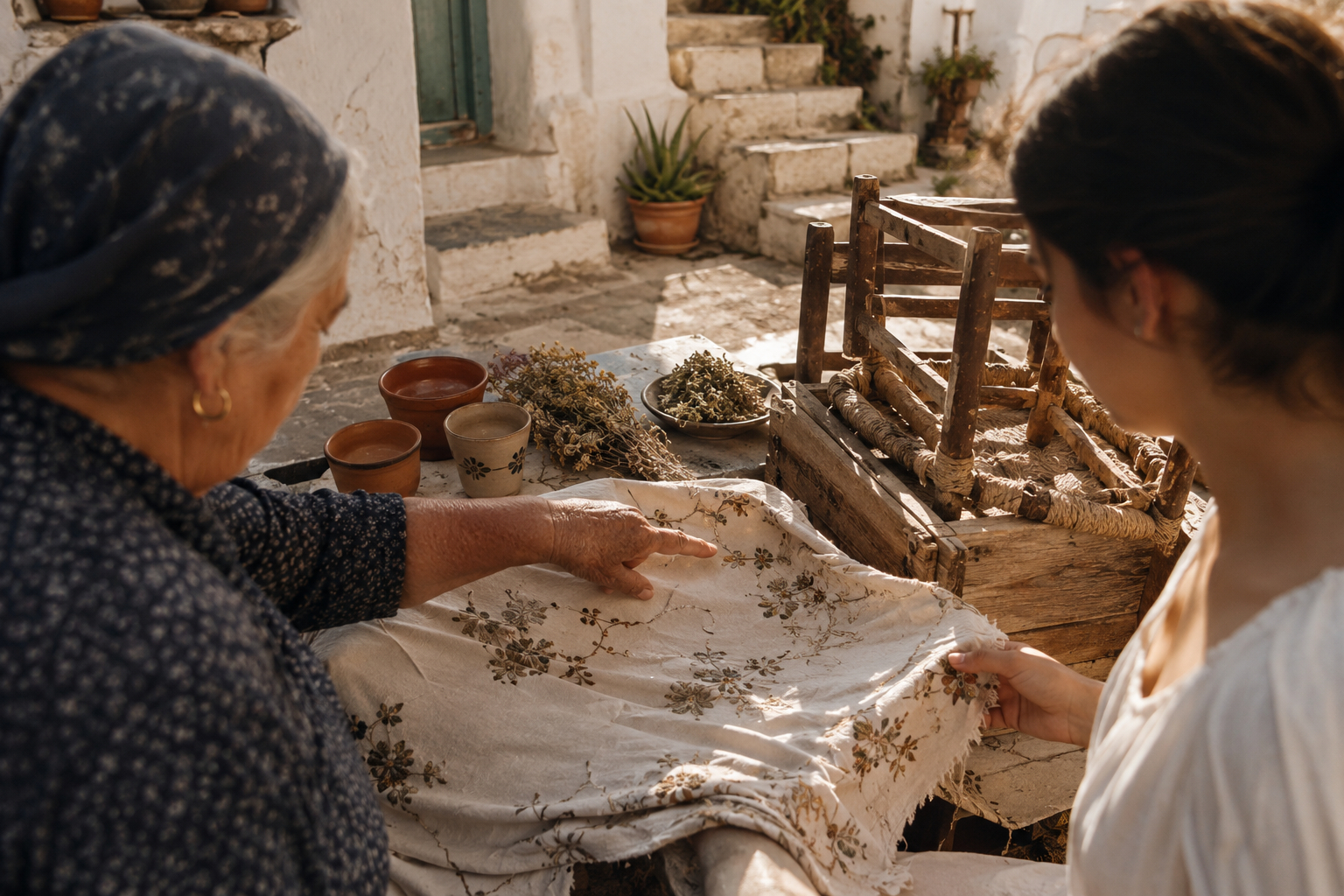
Domestic spaces are often overlooked in studies of regional formation, yet they hold persistent clues about belonging and identity. Kitchens, courtyards, and shared stairwells store routines, stories, and material arrangements that travel across generations. These everyday sites enact habits that become recognizable markers of place, shaping how inhabitants name and remember their region. Paying attention to ordinary practices reveals how small acts accumulate into broader cultural patterns. This article explores how domestic life contributes to slow, durable processes of regional belonging.

Domestic Routines as Regional Glue

Daily rhythms within homes—meal preparation, rhythms of work and rest, and patterns of seasonal use—create a temporal map of place. When neighbors share schedules, trade goods, or coordinate rituals, a local sense of order emerges that extends beyond individual households. Researchers can trace these rhythms through oral histories, household inventories, and spatial analysis to see how routines align with landscape and economy. Over time, recurring practices solidify into expectations about how people relate to one another and to the environment.

Domestic routines thus act as glue, binding disparate actors into a recognizable regional culture. Understanding these routines helps explain why some practices persist even when formal institutions change.

Material Culture and Neighborhood Memory

Objects kept, displayed, or passed along in homes carry stories that travel across streets and across decades. Heirlooms, tools, recipes, and clothing map networks of exchange and indicate which relations are valued. The arrangement of furniture, visible repairs, and the presence of particular plants or architectural features all signal belonging to neighbors and visitors. Such material traces allow historians to read locality through things that survive everyday use.

Paying attention to material culture reveals layered histories that official records may omit. These layers contribute to a shared sense of place that informs regional narratives.

From Household Practices to Regional Narratives

When household practices sync with markets, religious calendars, or seasonal labor, they scale up into communal rhythms that define a region. Schools, local festivals, and informal markets often borrow domestic motifs, reinforcing a cohesive identity. Networks of kinship and friendship channel innovations and preserve conservative habits, producing both change and continuity. Mapping these flows clarifies how local practice translates into durable regional traits.

Scholars who integrate household studies with landscape and institutional history gain a fuller picture of regional formation. This perspective emphasizes continuity, everyday negotiation, and the materiality of memory.

Conclusion

Domestic spaces are foundational to how regions form and persist because they concentrate practices and meanings that are both intimate and shared. Attending to routines and material culture offers accessible evidence of long-term social processes. Combining household analysis with broader historical methods yields richer, more grounded regional histories.
Previous Post

Small Practices, Large Landscapes: Forming Regional Memory

Next Post

How to Frame Time for Public History Displays

Related Posts

How Carrara’s Marble Carved a Peculiar Mountain Region
Regions

How Carrara’s Marble Carved a Peculiar Mountain Region

November 1, 2026
The Great Dismal Swamp: Refuge, Labor, and a Hidden Region
Regions

The Great Dismal Swamp: Refuge, Labor, and a Hidden Region

November 1, 2026
Levadas and the Making of Madeira’s Island Region
Regions

Levadas and the Making of Madeira’s Island Region

October 27, 2026
Black Hills: Paha Sapa, Gold Fever, and a Stolen Range
Regions

Black Hills: Paha Sapa, Gold Fever, and a Stolen Range

October 27, 2026
Next Post
How to Frame Time for Public History Displays

How to Frame Time for Public History Displays

Search..

No Result
View All Result

Recent Articles

How Carrara’s Marble Carved a Peculiar Mountain Region

How Carrara’s Marble Carved a Peculiar Mountain Region

November 1, 2026
The Great Dismal Swamp: Refuge, Labor, and a Hidden Region

The Great Dismal Swamp: Refuge, Labor, and a Hidden Region

November 1, 2026
The Salon Era: How Conversation Shaped the Enlightenment

The Salon Era: How Conversation Shaped the Enlightenment

October 31, 2026
Tenement New York: Life in Vertical Slums, 1870–1910

Tenement New York: Life in Vertical Slums, 1870–1910

October 31, 2026
Mary Seacole: The Jamaican Nurse Who Went to War

Mary Seacole: The Jamaican Nurse Who Went to War

October 30, 2026

Subscribe Us

By clicking submit, I authorize History Ours and its affiliated companies to: (1) use, sell, and share my information for marketing purposes, including cross-context behavioral advertising, as described in our Terms of Service and Privacy Policy, (2) supplement the information that I provide with additional information lawfully obtained from other sources, like demographic data from public sources, interests inferred from web page views, or other data relevant to what might interest me, like past purchase or location data, (3) contact me or enable others to contact me by email with offers for goods and services from any category at the email address provided, and (4) retain my information while I am engaging with marketing messages that I receive and for a reasonable amount of time thereafter. I understand I can opt out at any time through an email that I receive, or by clicking here

Subscribe To Our Newsletter

By clicking submit, I authorize History Ours and its affiliated companies to: (1) use, sell, and share my information for marketing purposes, including cross-context behavioral advertising, as described in our Terms of Service and Privacy Policy, (2) supplement the information that I provide with additional information lawfully obtained from other sources, like demographic data from public sources, interests inferred from web page views, or other data relevant to what might interest me, like past purchase or location data, (3) contact me or enable others to contact me by email with offers for goods and services from any category at the email address provided, and (4) retain my information while I am engaging with marketing messages that I receive and for a reasonable amount of time thereafter. I understand I can opt out at any time through an email that I receive, or by clicking here.

© 2026 History Ours | All Rights Reserved

  • Contact Us
  • Privacy Policy
  • Terms of Service
  • Unsubscribe
  • Privacy Choices
  • Contact Us
  • Privacy Policy
  • Terms of Service
  • Unsubscribe
  • Privacy Choices

© 2026 History Ours | All Rights Reserved

No Result
View All Result
  • Home
  • History
  • Biographies
  • Eras
  • Regions
  • Timeline

© 2026 History Ours | All Rights Reserved

Skip to content
Open toolbar Accessibility Tools

Accessibility Tools

  • Increase TextIncrease Text
  • Decrease TextDecrease Text
  • GrayscaleGrayscale
  • High ContrastHigh Contrast
  • Negative ContrastNegative Contrast
  • Light BackgroundLight Background
  • Links UnderlineLinks Underline
  • Readable FontReadable Font
  • Reset Reset